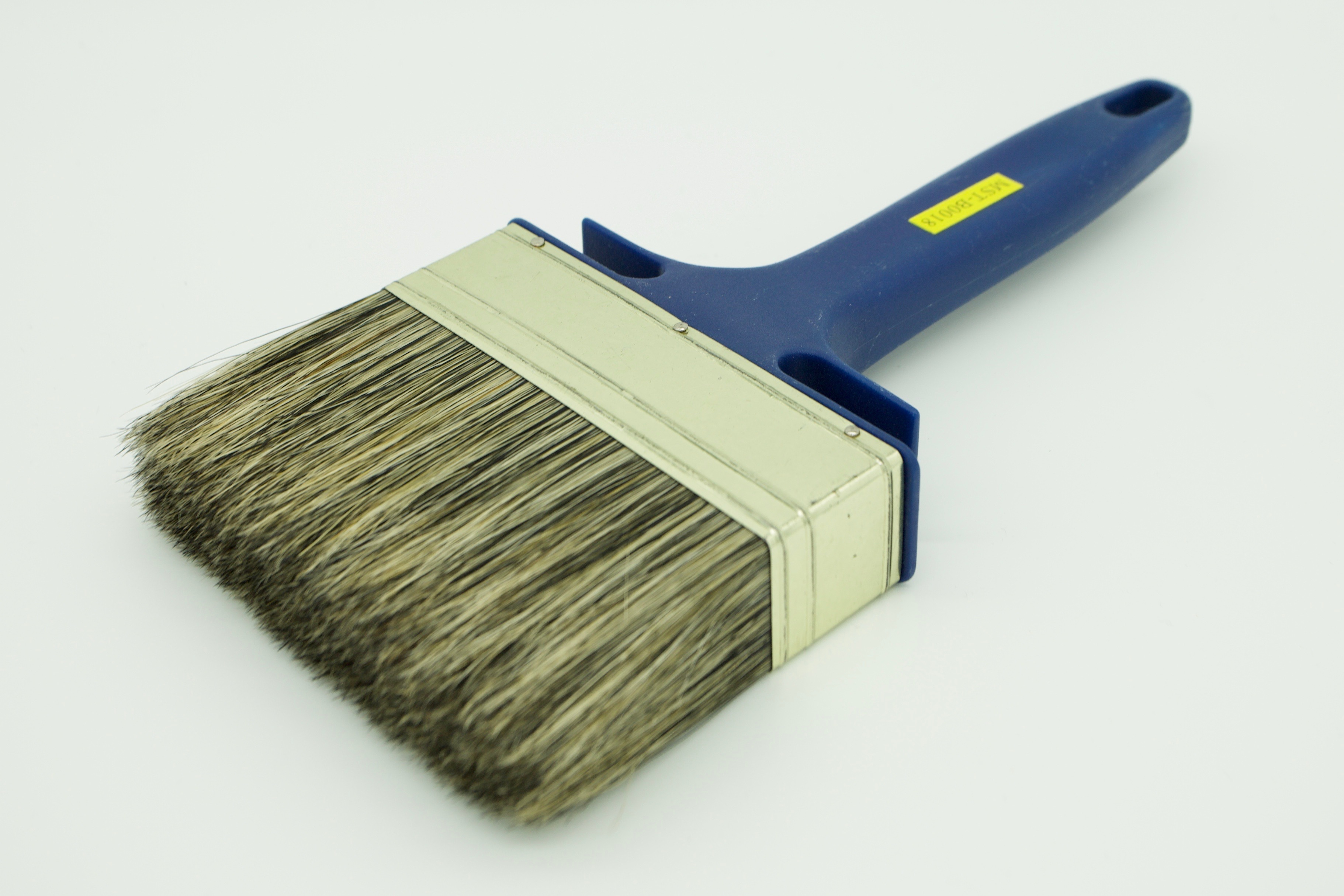
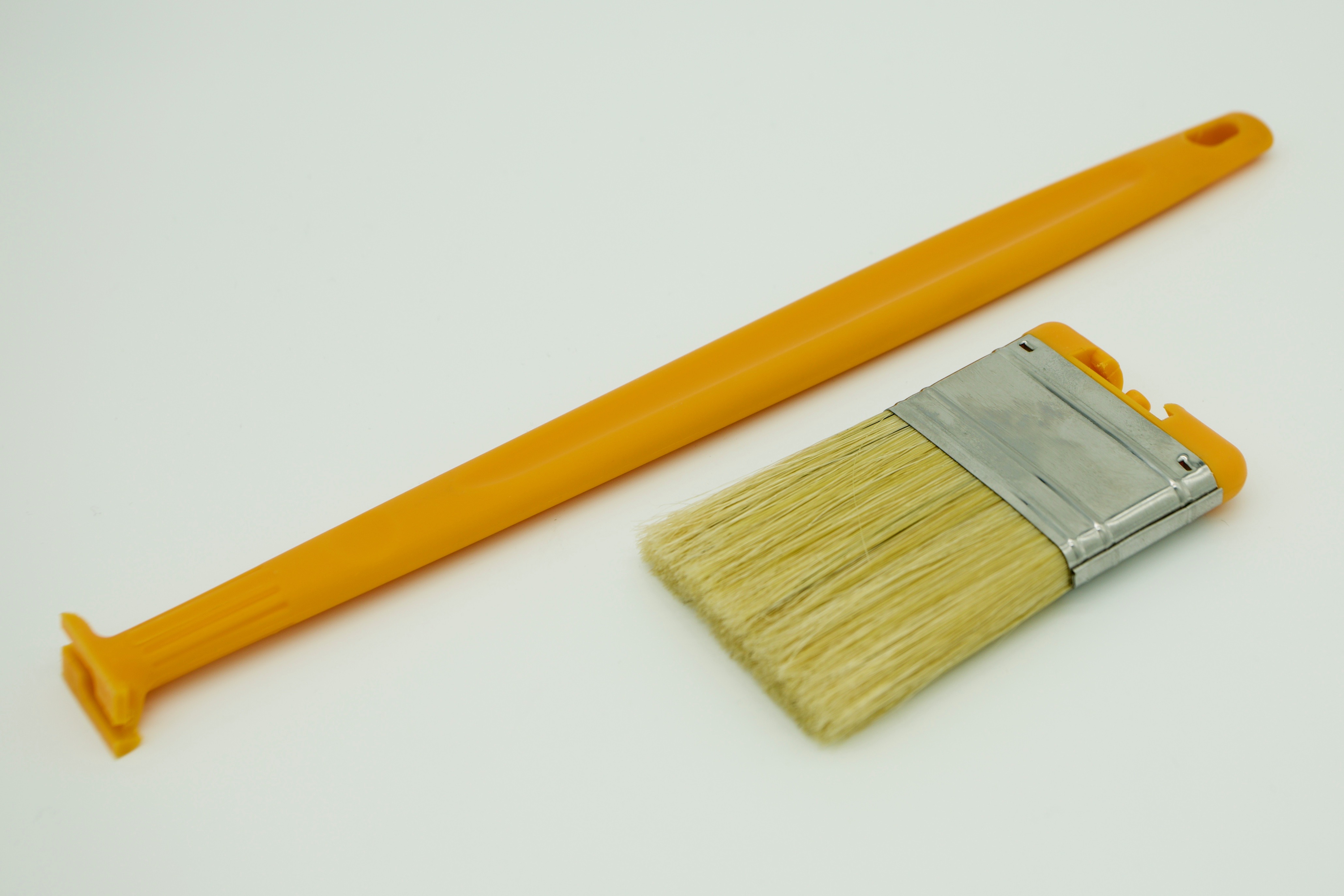
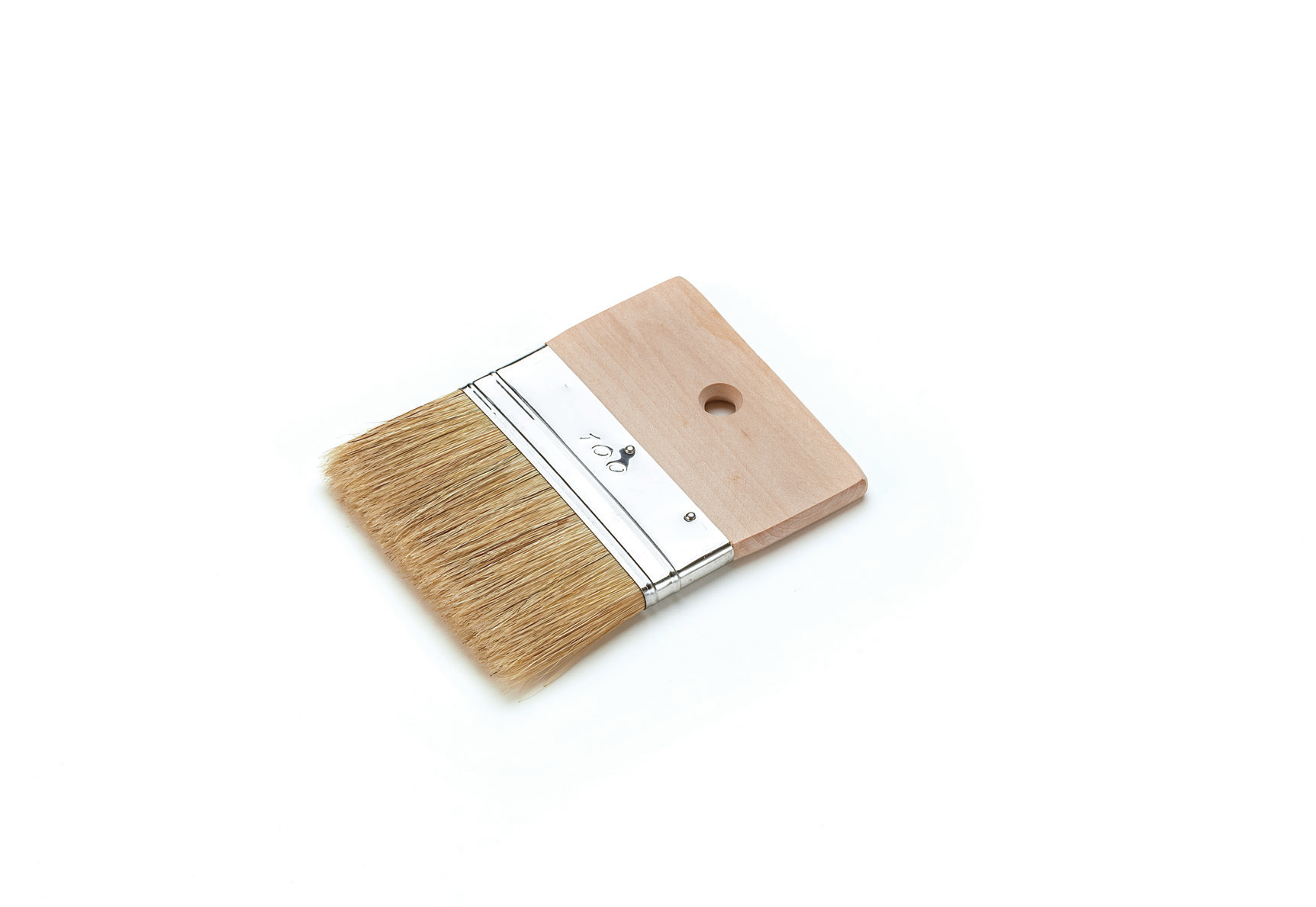
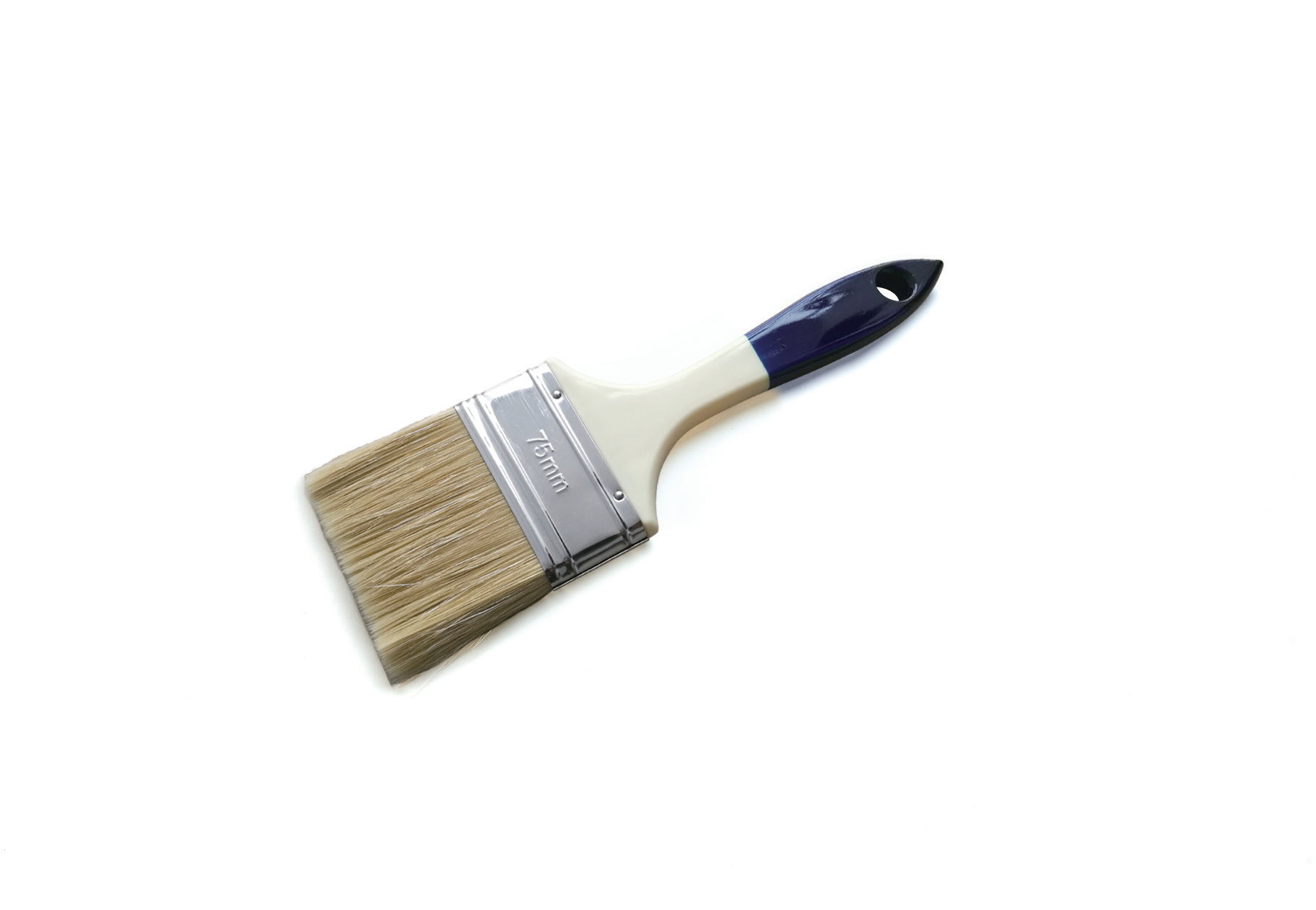
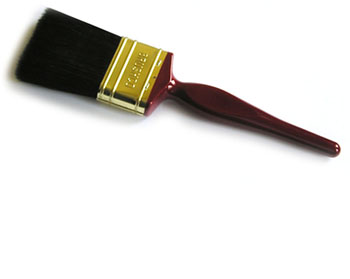
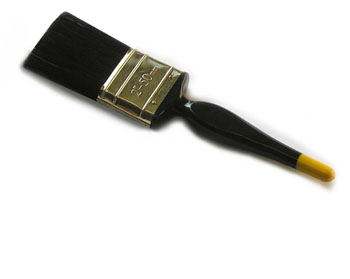
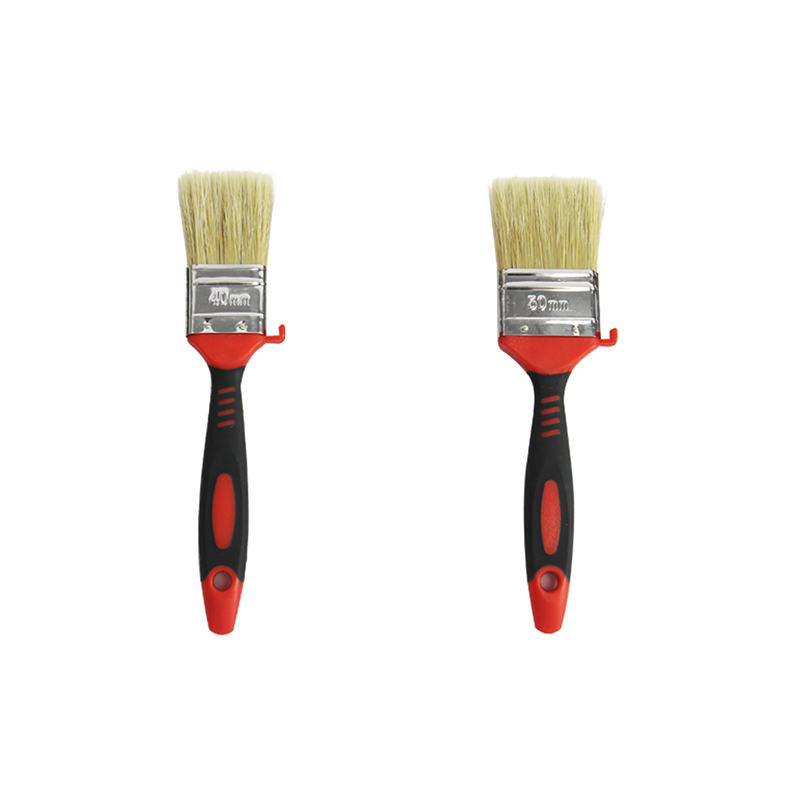
Paint Brushes
Source premium paint brushes in bulk from vetted manufacturers and wholesale suppliers. Designed for hardware distributors, professional tool importers, and brands seeking reliable OEM and private-label production. Secure competitive pricing on high-volume orders with rigorous quality control.
Sourcing paint brushes in volume requires balancing unit cost with critical performance metrics like paint pickup, smooth release, and zero bristle shedding. For professional-grade tools, the difference between a high-margin product and a costly return often comes down to the epoxy formulation, filament blending, and ferrule crimping at the factory level.
Filament and Bristle Specifications
The core of any paint brush is the fill material. Factories offer extensive options, and specifying the exact blend is crucial for the intended application (water-based vs. oil-based paints).
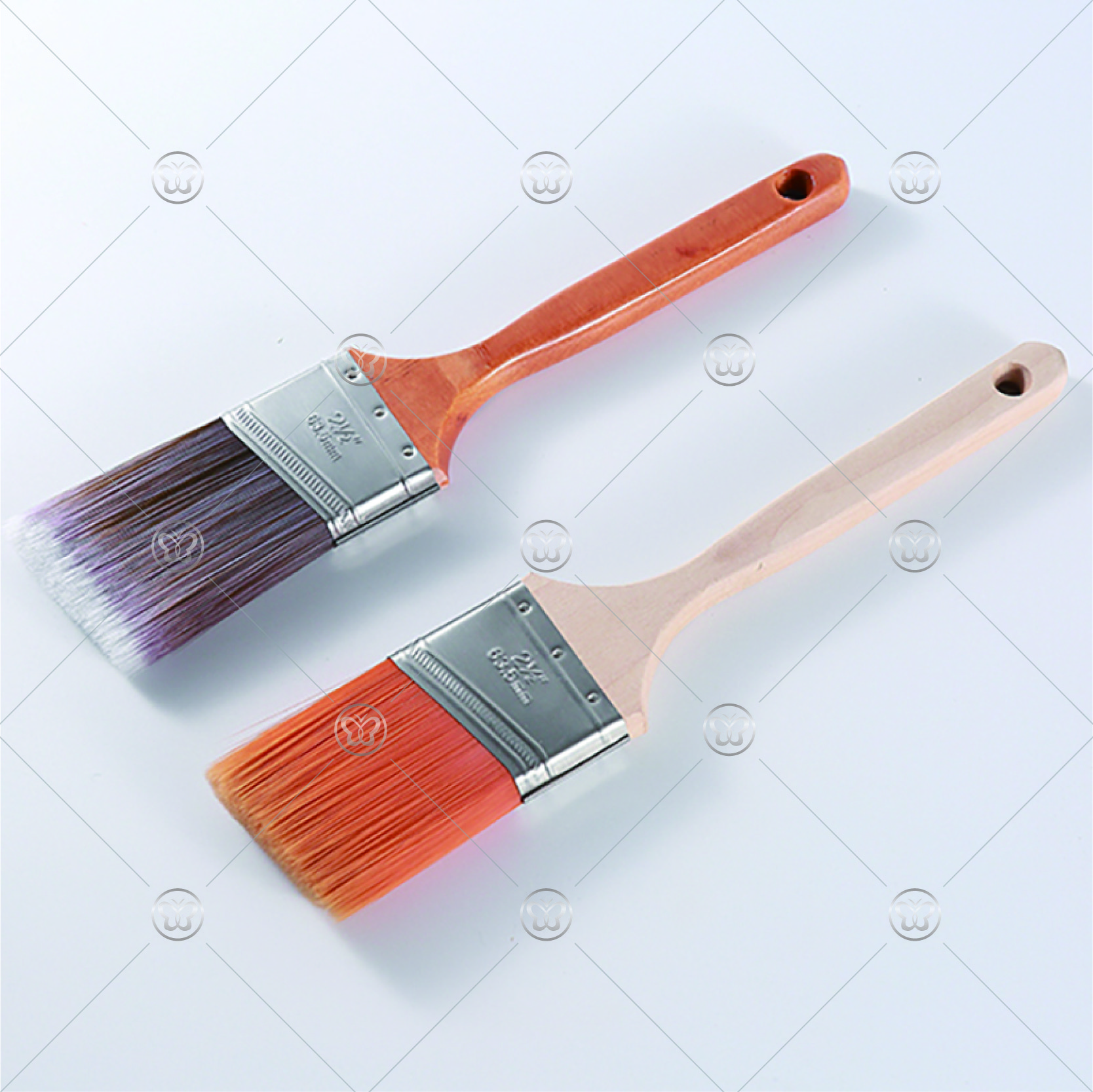
- Synthetic Filaments: Typically blends of PET (Polyethylene Terephthalate) and PBT (Polybutylene Terephthalate). PBT offers better shape retention and solvent resistance but costs more. Buyers must specify whether filaments are solid, hollow, tapered, or flagged (split at the ends to improve paint holding).
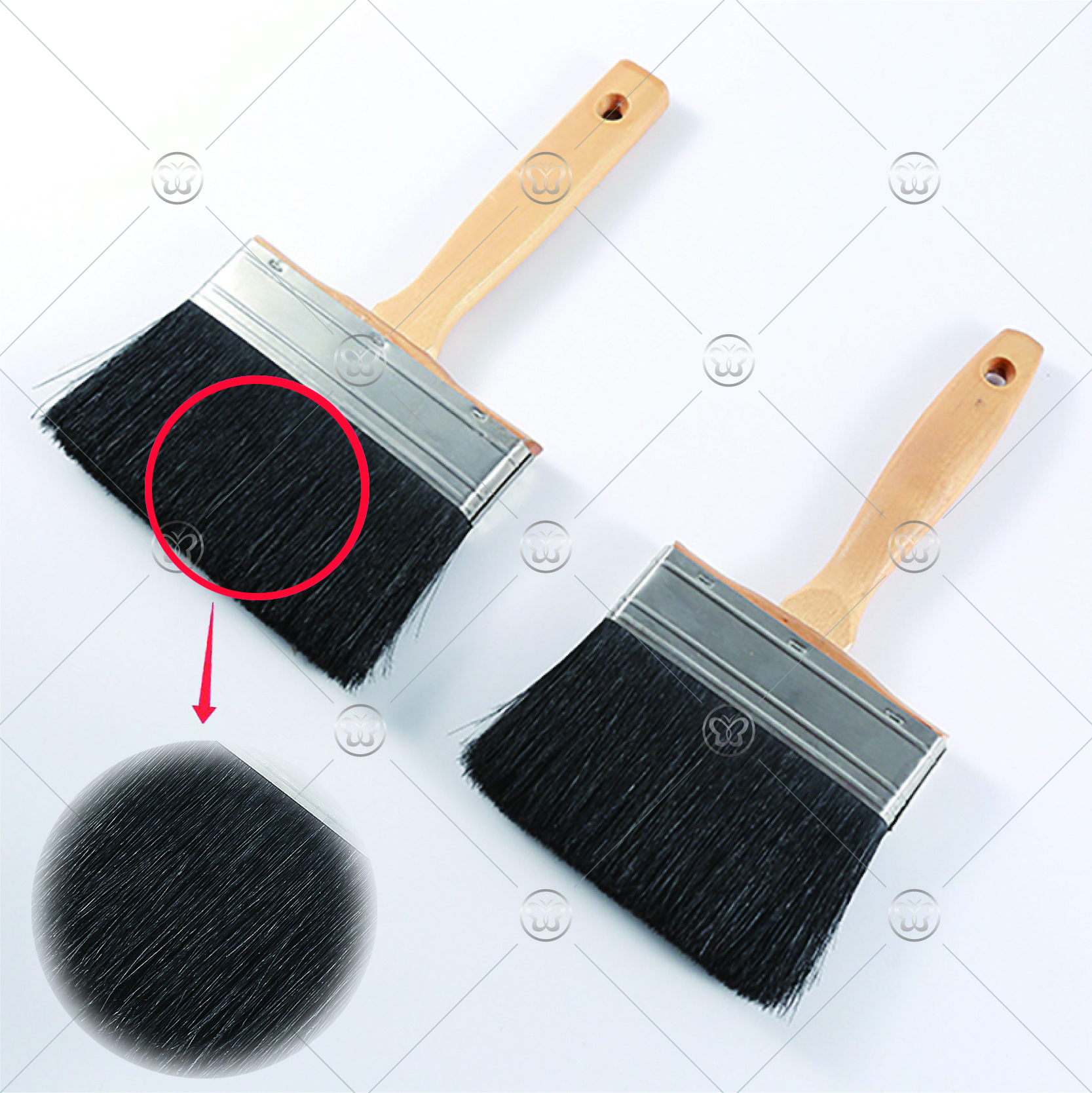
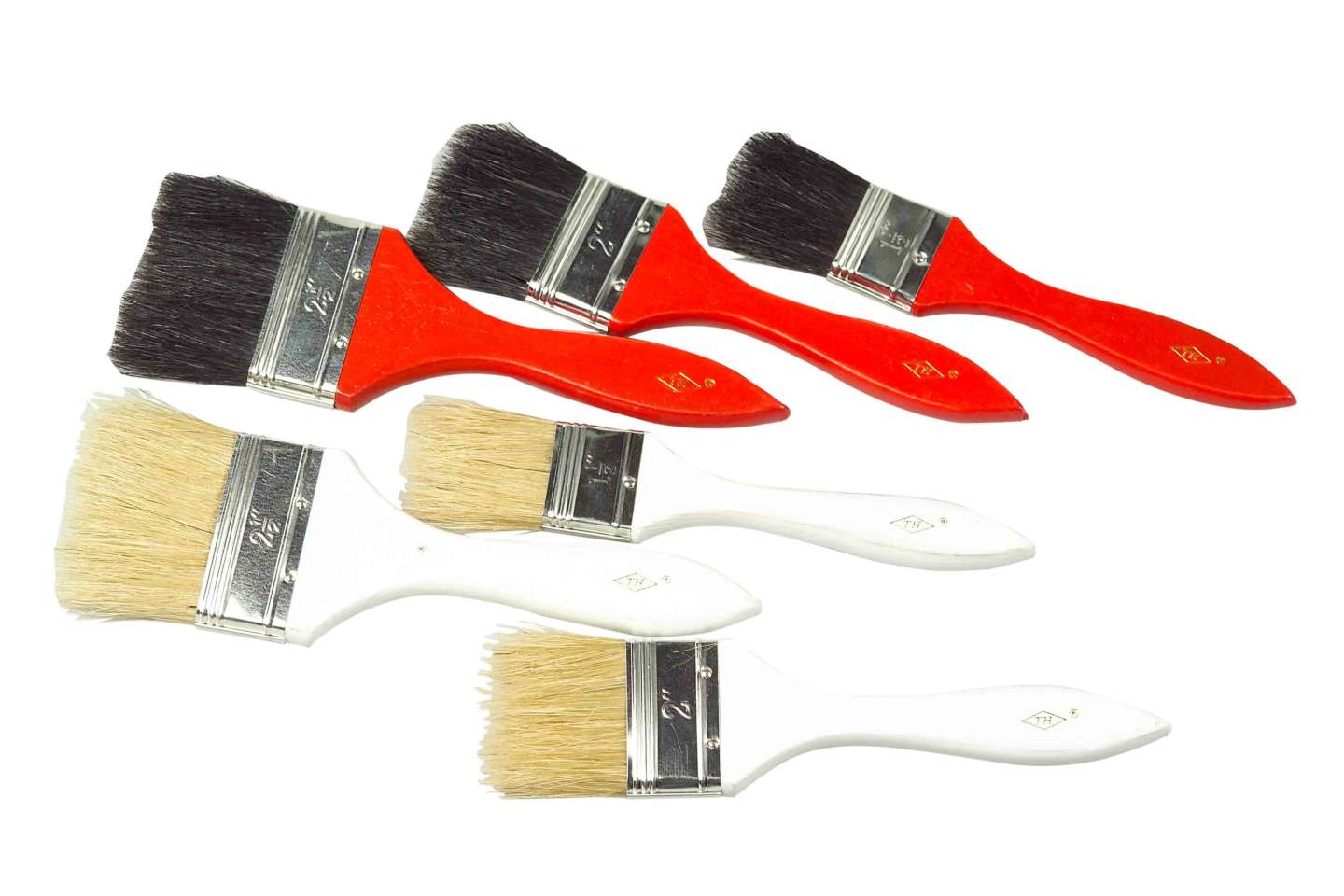
- Natural Bristle: Usually boiled hog bristle, preferred for oil-based paints and varnishes. Quality is defined by the "tops ratio" (the percentage of bristles that reach the full length of the brush). Higher tops ratios yield thicker, more precise cutting edges but significantly increase costs.
| Feature | Synthetic (PET/PBT) | Natural Bristle |
|---|---|---|
| Best For | Water-based (acrylic/latex) | Oil-based paints, varnishes |
| Durability | High (resists water absorption) | Moderate (can swell in water) |
| Cost Driver | PBT ratio, flagging quality | Tops ratio, bristle length |
Structural Integrity: Ferrules and Epoxy Curing
A brush's lifespan is dictated by the ferrule (the metal band) and the epoxy plug that binds the bristles to the handle. If a factory rushes the epoxy curing process to increase output, the result is severe bristle shedding.
High-quality suppliers utilize temperature-controlled curing rooms. Verifying these facilities through professional factory audits is highly recommended before placing large orders.
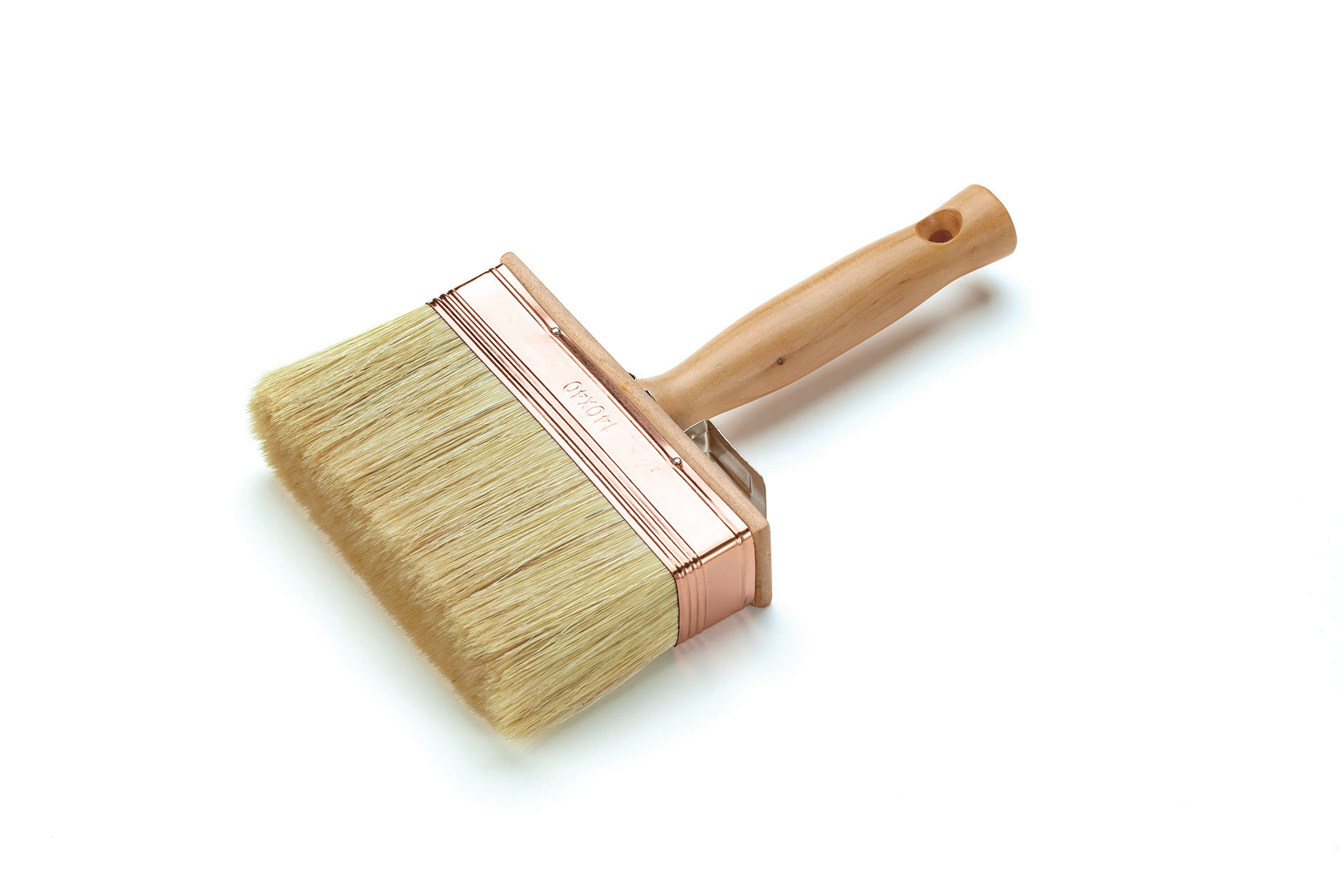
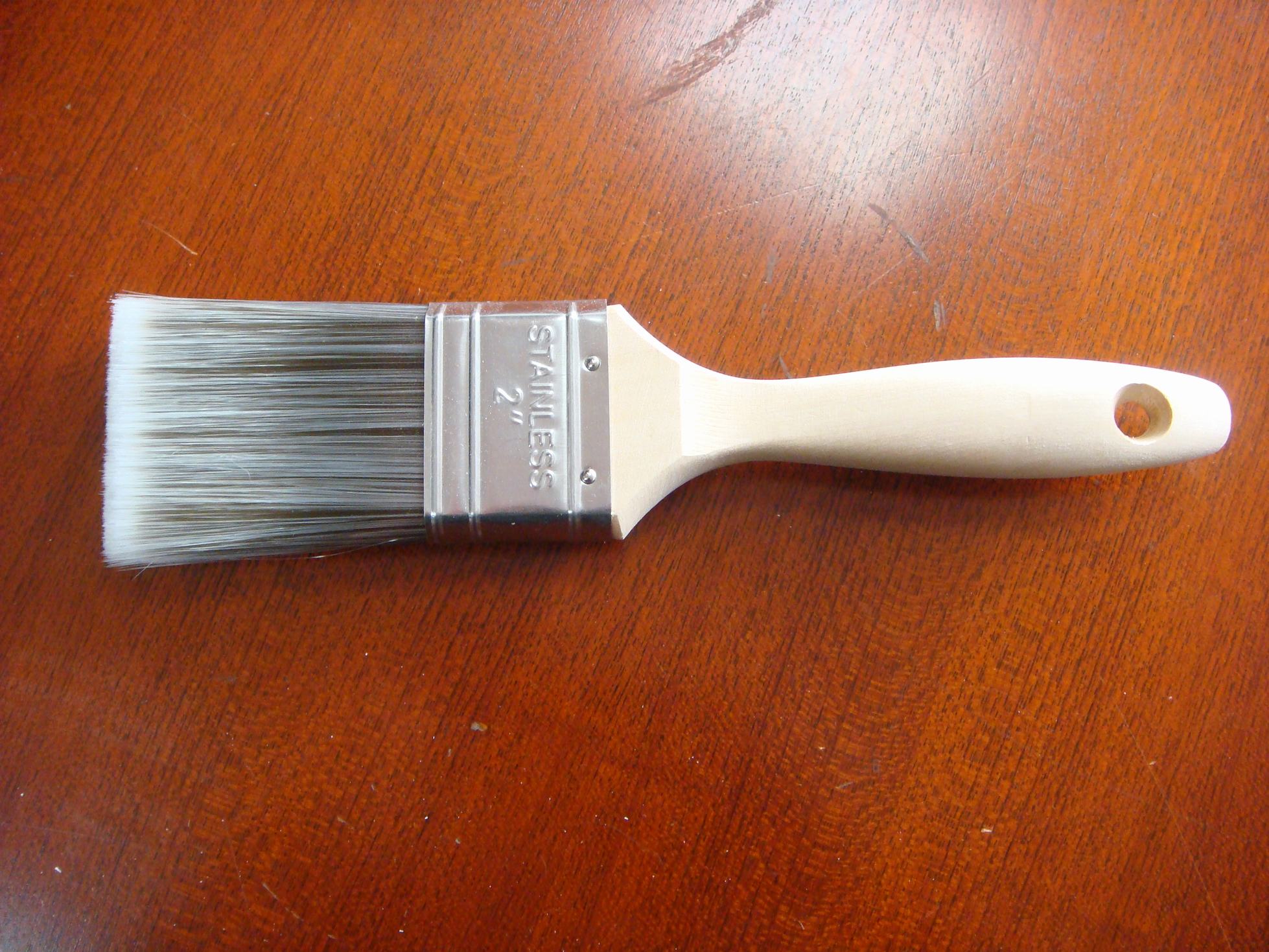
Ferrules also vary in quality. Tin-plated steel is standard for budget brushes, but it is prone to rust if not dried properly. Professional-grade brushes utilize stainless steel or copper-plated ferrules, which must be deeply crimped and secured with ribbed pins or heavy-duty staples.
Critical Pre-Shipment Quality Checks
- Mechanical pull testing (verifying minimum kgf resistance before shedding)
- Ferrule rust-resistance testing (salt spray test for stainless/tinplate)
- Epoxy penetration depth inspection (ensuring the plug reaches the handle)
- Flagging consistency check (ensuring synthetic tips are properly split)
Ensure your supplier's epoxy curing and crimping processes meet professional standards. Let our experts handle supplier vetting and QA.
Get a free consultationCustomization and Handle Materials
For brands utilizing OEM/ODM services, handle customization is a primary differentiator.
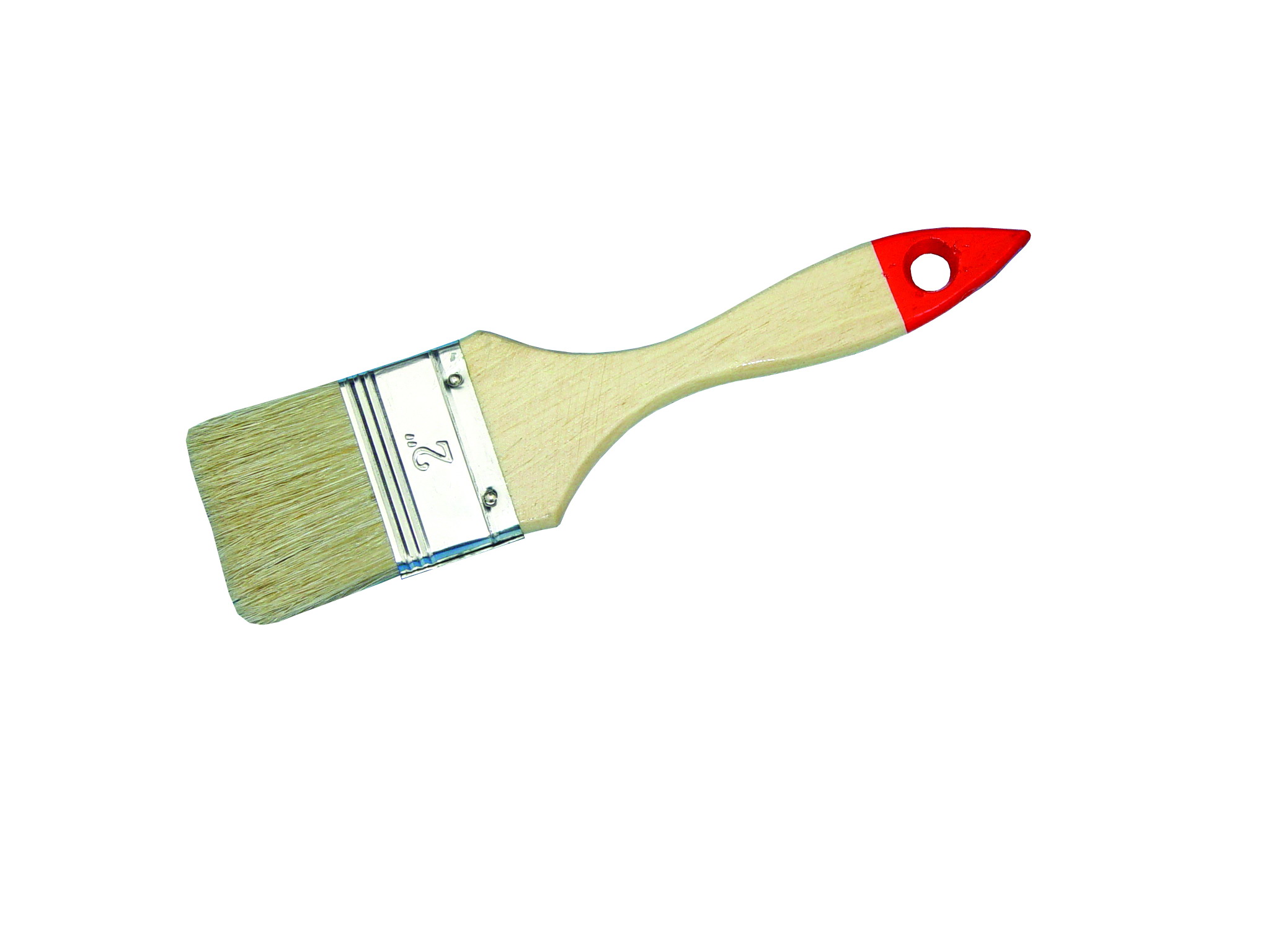
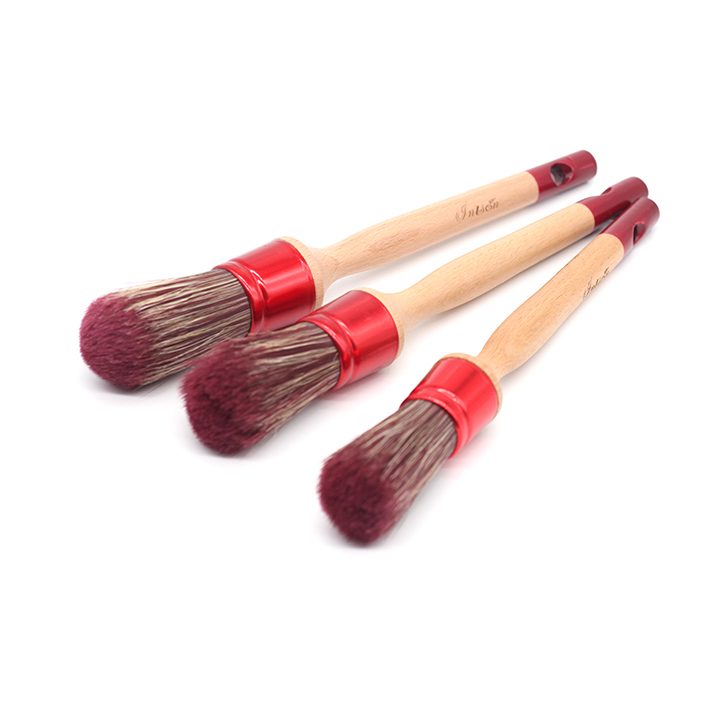
- Wood Handles: Beech and birch are standard for professional brushes. They must be kiln-dried to a moisture content of 8-12% to prevent cracking and ferrule loosening over time. Finishes range from raw sanded wood to clear lacquers and solid paints.
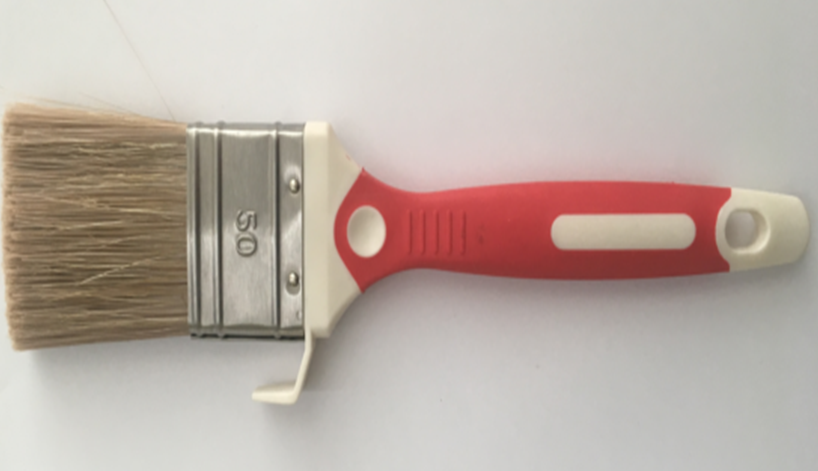
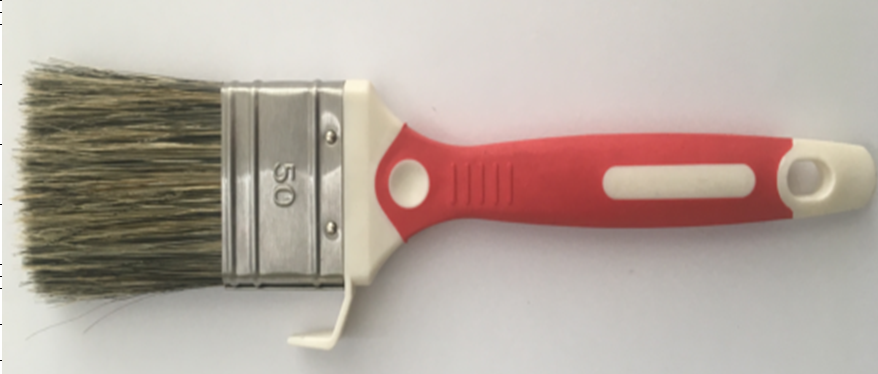
- Plastic and TPR: Injection-molded polypropylene (PP) with Thermoplastic Rubber (TPR) overmolds offer ergonomic grips. These require custom molds if you are designing a proprietary handle shape.
Pricing, MOQs, and Production Lead Times
Paint brush manufacturing is highly automated in the initial filament mixing and handle turning stages, but assembly often requires manual labor. This impacts minimum order quantities (MOQs) and lead times.
Costs are heavily influenced by the filament density (weight per brush). Some suppliers quote lower prices by reducing the volume of filaments inside the ferrule and inserting larger wooden or plastic wedges (plugs) to create the illusion of thickness. Strict quality control is necessary to verify the actual filament weight matches your approved golden sample.
Optimize your bulk purchasing, verify filament density, and negotiate better terms with vetted brush factories.
Talk to our teamFrequently Asked Questions
Successfully importing paint brushes requires looking past the visual finish of the handle and focusing on the hidden mechanics: epoxy curing, filament weight, and ferrule integrity. Partnering with an experienced sourcing team ensures these technical specifications are clearly defined, monitored on the factory floor, and verified before shipment.
Get Sourcing Help for Paint Brushes
Tell us your requirements and our experts will connect you with verified manufacturers.