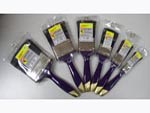
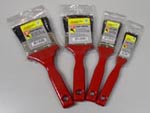
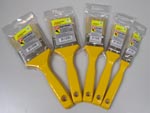
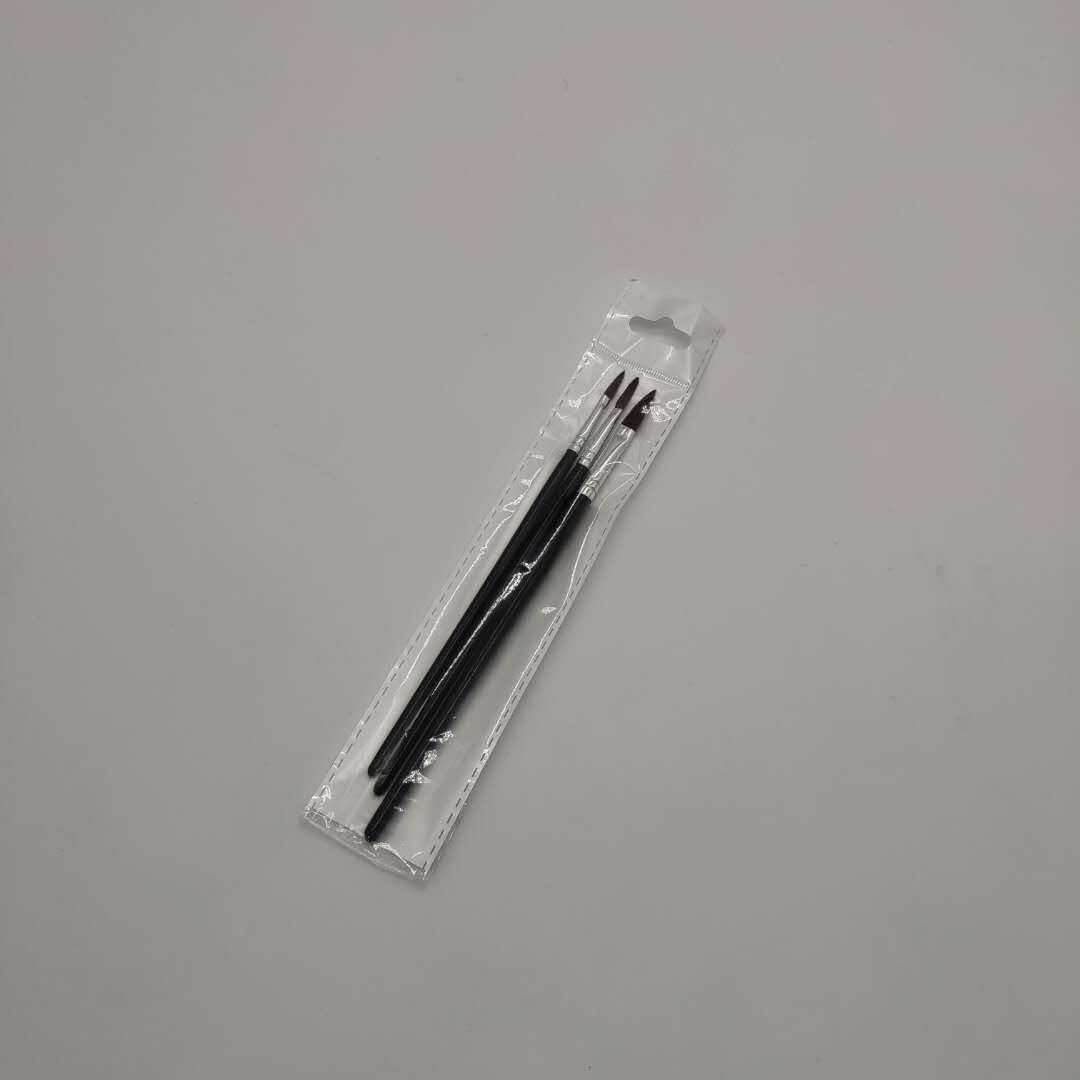
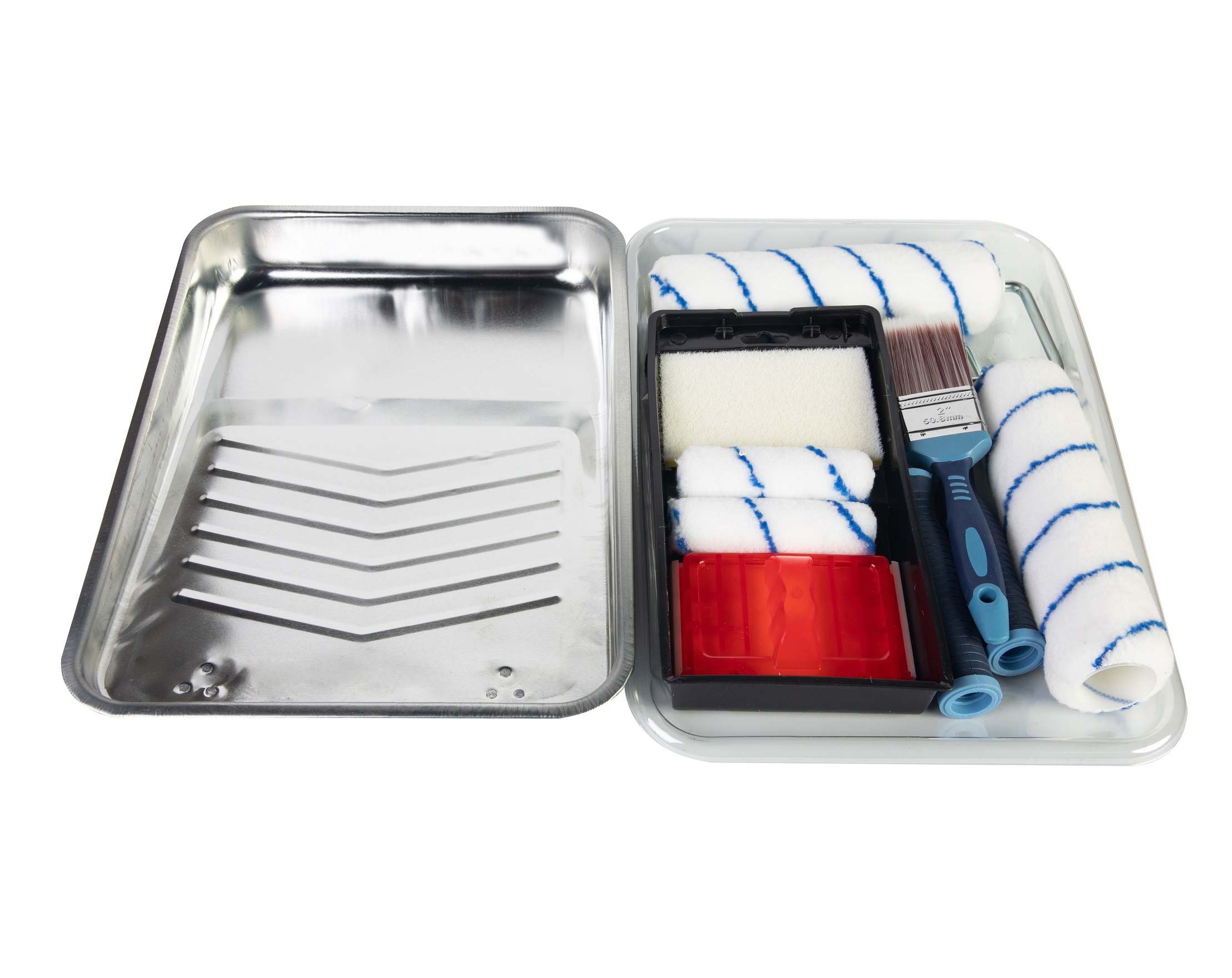
Paint Brushes
Source bulk Paint Brushes from vetted Chinese manufacturers and suppliers. Designed for importers, wholesalers, distributors, and art brands seeking reliable OEM/private-label production. Secure competitive pricing, consistent factory-level quality, and customized specifications for art and school supply markets.
Sourcing paint brushes in high volumes requires a careful balance between material costs and functional performance. A brush is only as good as its weakest component—whether that is a shedding bristle knot, a loose ferrule, or a peeling handle finish. For bulk buyers, controlling these variables at the factory level is critical to maintaining margins and protecting brand reputation in the competitive art and school supply sectors.
Core Material Specifications
Defining exact specifications is the first step to standardizing production quality. The components you select directly dictate the brush's application, durability, and wholesale price point.
Bristle Selection
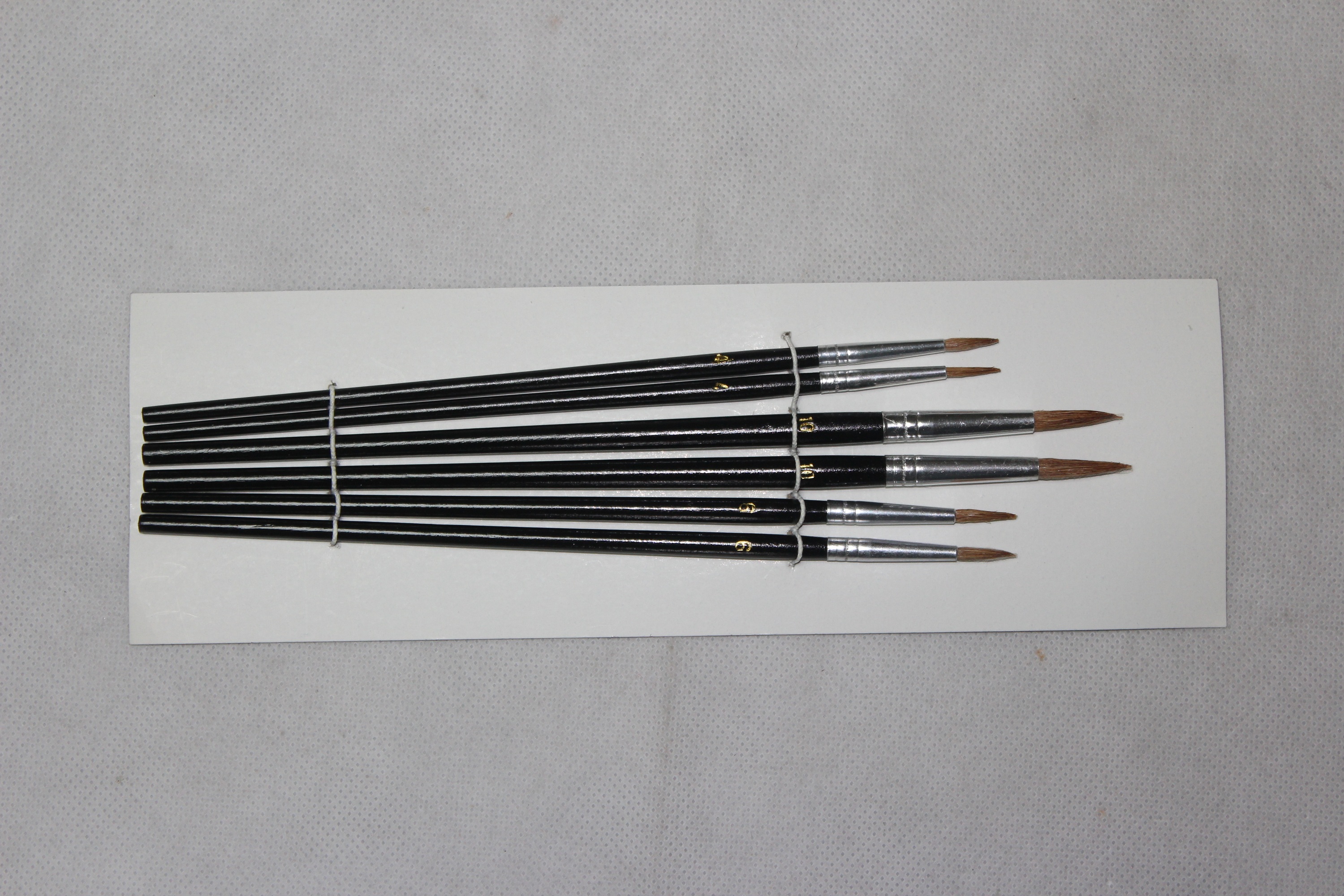
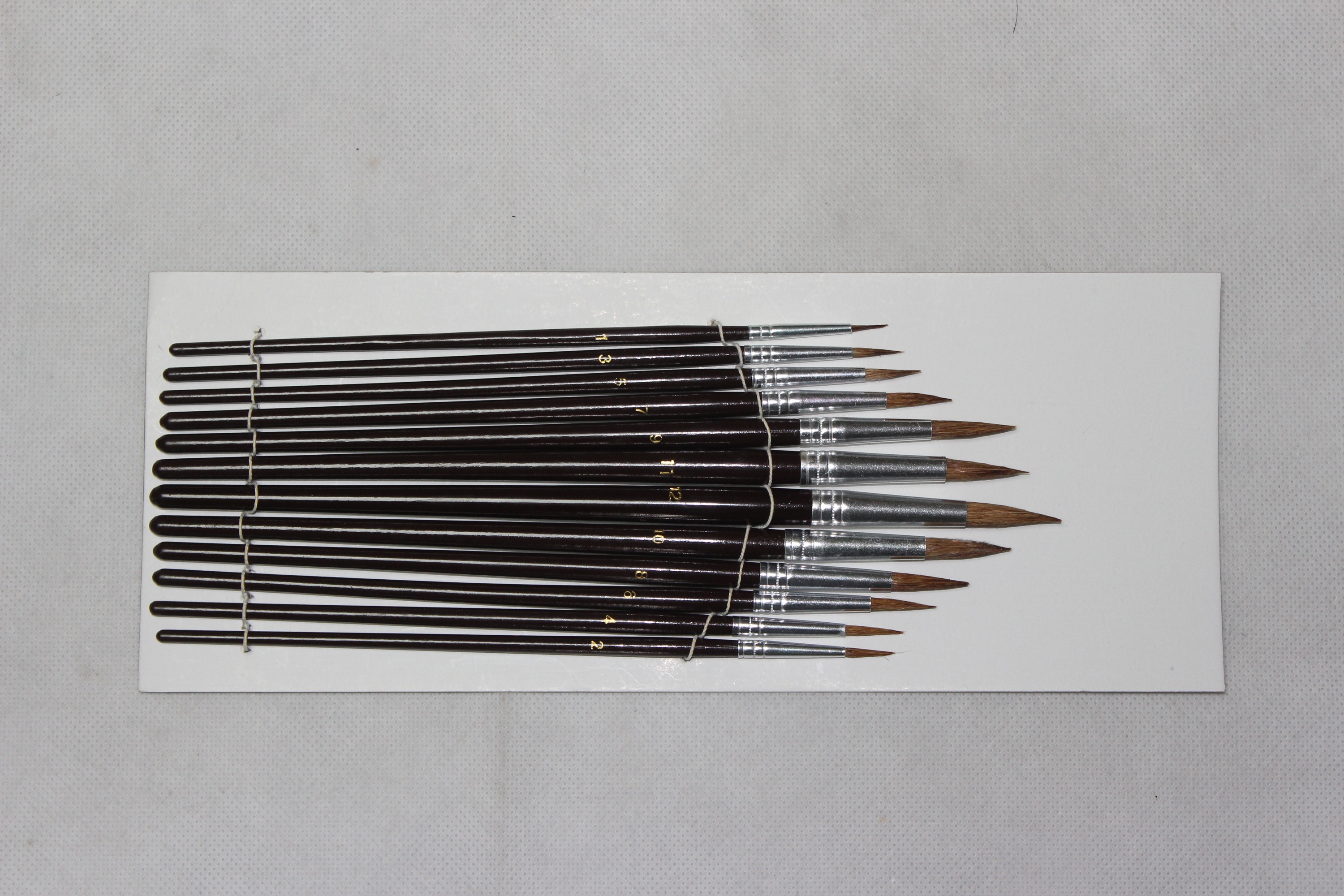
The choice between natural hair and synthetic filaments determines the fluid retention, snap, and shape retention of the brush. Synthetic filaments (like Taklon or Nylon) dominate the school and hobby markets due to cost efficiency and versatility, while natural hairs remain essential for professional-grade oil and watercolor brushes.
| Bristle Material | Primary Application | Cost Profile |
|---|---|---|
| Nylon/Taklon (Synthetic) | Acrylics, Watercolors | Low to Medium |
| Hog Bristle (Natural) | Oil Paints, Heavy Bodied | Medium |
| Pony/Camel (Natural) | Student Watercolors, Crafts | Low |
| Sable/Kolinsky (Natural) | Fine Watercolors, Detail | High to Premium |
Ferrules and Handles
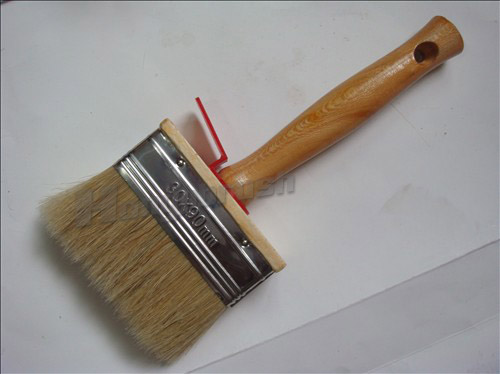
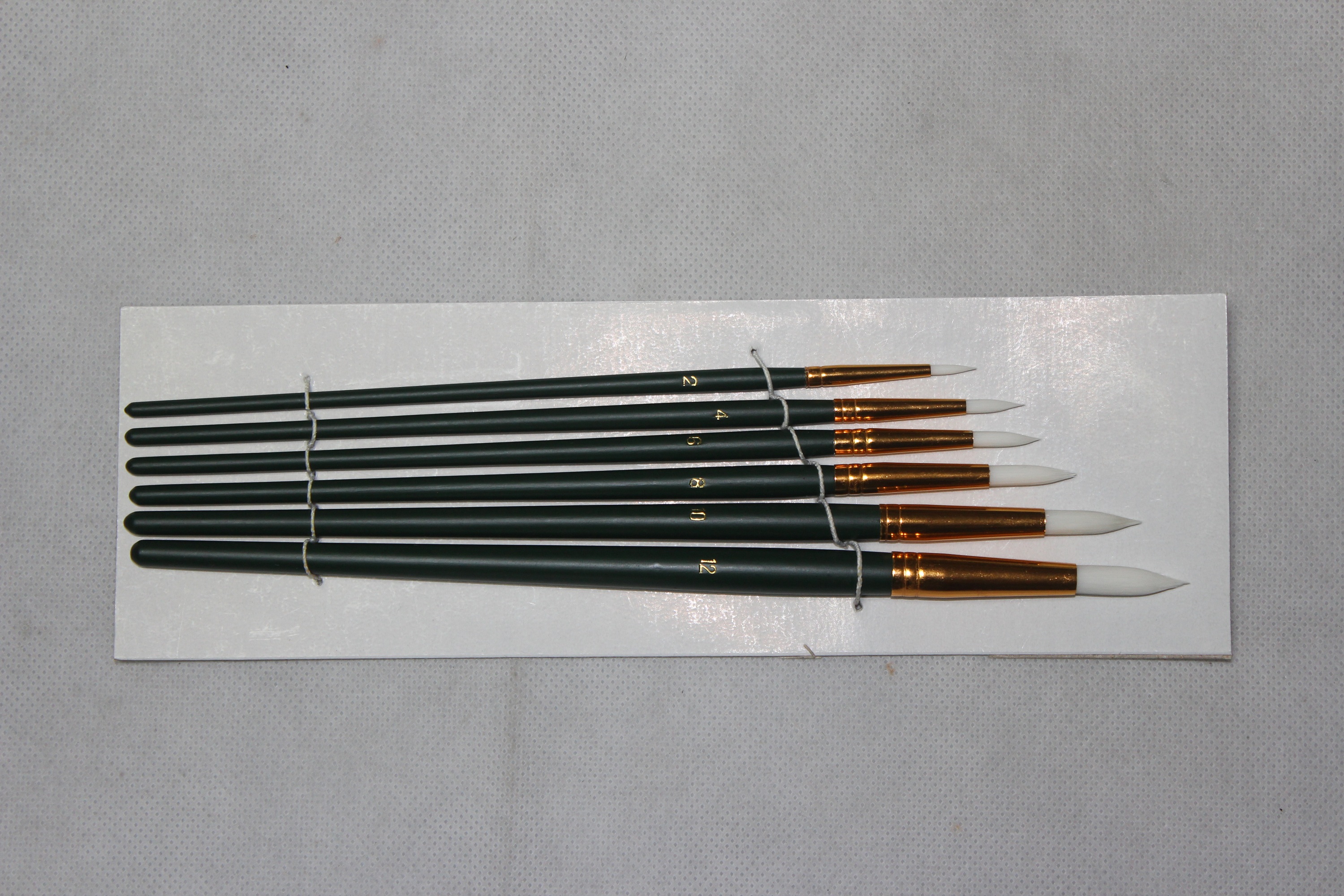
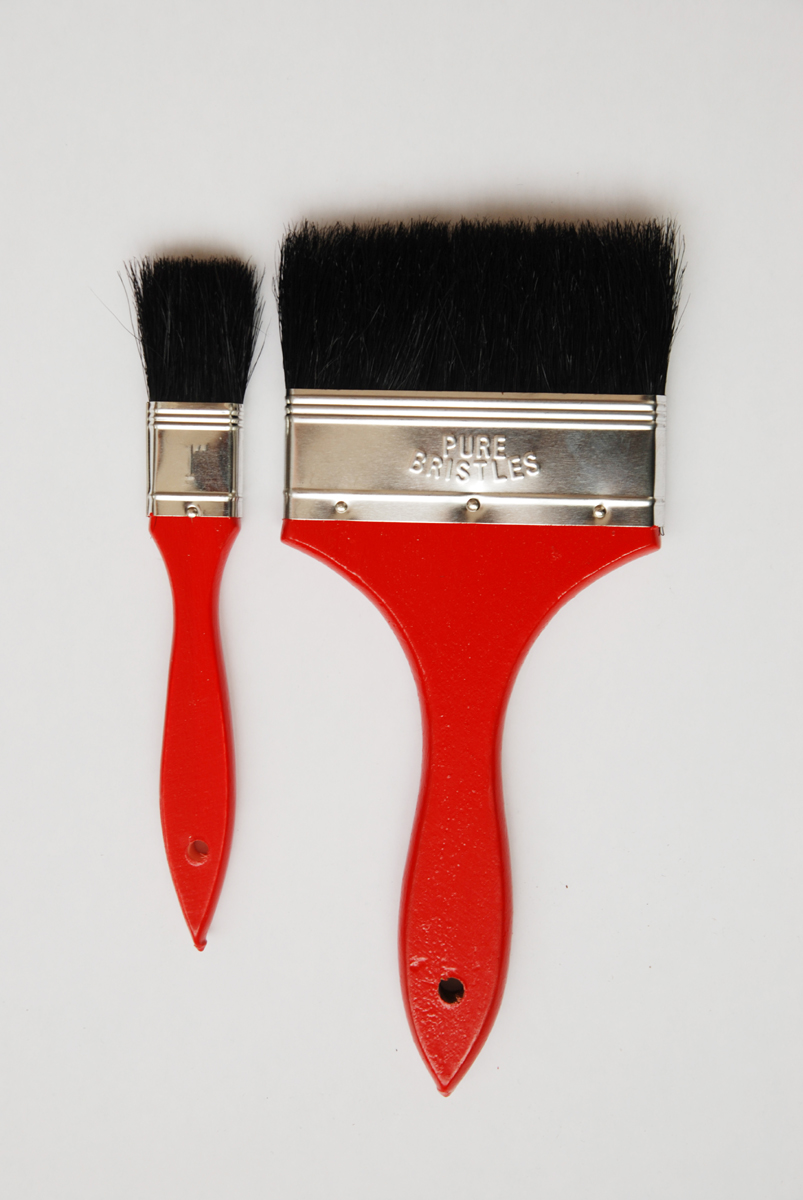
The ferrule connects the bristles to the handle and is highly susceptible to rust if specified incorrectly. Standard economy brushes use tin or aluminum ferrules, while premium lines require nickel-plated brass or copper to prevent oxidation. Handles are typically turned from birch wood, then sealed and painted. It is crucial to specify non-toxic, EN71-compliant or ASTM D-4236 compliant paints for the handle finish, especially for school supplies.
Need help standardizing your brush specifications for your next production run? Let our sourcing experts assist you.
Talk to our teamManufacturing Tolerances and Quality Control
The most common defect in paint brush manufacturing is bristle shedding. This occurs during the gluing stage. Manufacturers inject epoxy resin into the base of the ferrule to lock the bristles in place. If the epoxy viscosity is too thick, it fails to penetrate the center of the bristle bundle, leaving the inner hairs loose.
To prevent this, rigorous Quality Control & Inspection must be implemented both in-line and pre-shipment.
Critical Factory QC Checks
- Epoxy penetration depth at the ferrule base to ensure zero shedding.
- Pull-test on the bristle tuft (standard requirement: zero loose hairs under specific tension).
- Ferrule crimp depth and alignment against the wooden handle to prevent wobbling.
- Handle finish adhesion (cross-hatch testing for painted wood to prevent peeling).
- Dimensional checks on bristle length-out and ferrule diameter.
OEM/ODM Customization and Branding
For brands and distributors, differentiation often comes down to presentation and specialized brush shapes. Most specialized factories offer extensive OEM/ODM Services, allowing you to customize everything from the bristle blend (mixing synthetic and natural for specific performance) to the handle ergonomics.
Branding is typically applied via pad printing or laser engraving on the handle. Furthermore, packaging plays a significant role in retail appeal. Blister cards, PVC pouches, and custom canvas roll-ups are standard options. Coordinating with a partner for Branding & Design ensures your packaging not only looks professional but meets international shipping durability standards.
Typical MOQs, Lead Times, and Pricing Dynamics
Paint brush manufacturing is highly automated for standard shapes but still requires manual finishing for premium tiers. Minimum Order Quantities (MOQs) are heavily influenced by the handle painting process and custom packaging requirements.
Pricing is driven primarily by bristle weight and ferrule material. Fluctuations in the cost of natural animal hair or brass will directly impact your unit price. Consolidating orders or standardizing ferrule sizes across different brush lines can help negotiate better volume pricing.
Looking to optimize your landed costs or negotiate better MOQs? Connect with our supply chain team.
Get a free consultationFrequently Asked Questions
Executing a successful bulk purchase of paint brushes requires moving beyond superficial catalog selection and digging into the factory's material sourcing and epoxy application processes. By controlling these technical variables, you secure a product that performs consistently and protects your margins. If you are ready to streamline your supply chain and partner with vetted manufacturers, effective Product Sourcing can manage the complexities of production on your behalf.
Get Sourcing Help for Paint Brushes
Tell us your requirements and our experts will connect you with verified manufacturers.