Padlocks
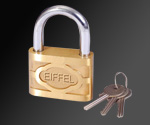
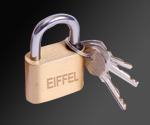
Source high-quality padlocks from vetted suppliers and manufacturers in China and Asia. Engineered for hardware distributors, commercial importers, and security brands seeking reliable OEM and private-label production. Secure competitive bulk pricing on commercial, industrial, and residential padlock ranges tailored to your market.
Sourcing commercial-grade padlocks at volume requires strict oversight of material composition, machining tolerances, and assembly quality. Because physical security products often look identical on the outside regardless of their internal build, visual inspection is never enough. Securing a reliable supply chain means defining exact specifications for the body, shackle, and cylinder, and holding the factory accountable to those standards.
Core Specifications: Materials and Mechanisms
The primary cost drivers in padlock manufacturing are the raw materials used for the body and the hardening processes applied to the shackle. Factories will often suggest cheaper alternatives if specifications are not rigidly defined.
| Body Material | Security Grade | Corrosion Resistance | Typical Application |
|---|---|---|---|
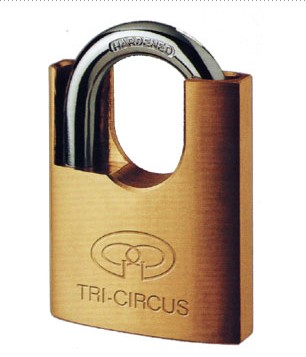
| Solid Brass | Medium | Excellent | Marine, outdoor, general residential |
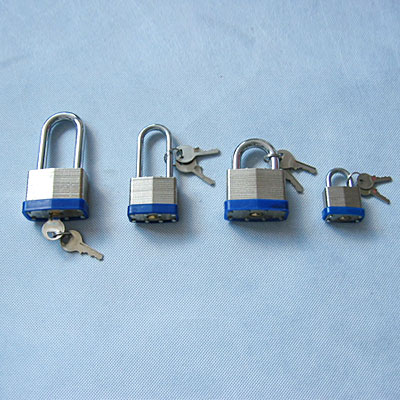
| Laminated Steel | High | Moderate (requires plating) | Industrial, commercial gates |
| Hardened Steel | Maximum | Moderate to High | High-security facilities, chains |
| Zinc Alloy | Low | Good | Luggage, low-risk lockers |
Shackle Hardening and Locking Mechanisms
A standard steel shackle is easily defeated by basic bolt cutters. For commercial and industrial applications, specify case-hardened steel or boron alloy. Boron alloy offers significantly higher cut resistance but increases the unit cost.
Equally critical is the locking mechanism. Low-cost padlocks use a single or double spring-loaded latch, which is vulnerable to shimming. High-security padlocks must specify a double ball-bearing locking mechanism, which secures both sides of the shackle and cannot be shimmed open.
Need help auditing a factory's machining and assembly capabilities? We verify technical competence before you place an order.
Talk to our teamCylinder Quality and Machining Tolerances
The cylinder is the brain of the padlock. Poor machining here leads to locks that are easily picked, bumped, or prone to jamming over time.
When defining your order, specify the number of pins (typically 4 to 6 for standard padlocks; 6 or more for high security) and the presence of security pins (spool, serrated, or mushroom pins) to resist picking. The cylinder plug and shell should ideally be constructed from solid brass rather than cheap zinc die-cast, which wears down quickly and causes key binding.
The 'Brass-Plated' Trap
A common manufacturing shortcut is substituting solid brass bodies or cylinders with zinc alloy that has been brass-plated. Always specify "solid brass" and verify through Quality Control & Inspection by checking the weight and conducting destructive cross-section tests during production.
Quality Control and Performance Testing
To ensure your padlocks meet market expectations, your supplier must adhere to recognized testing standards, such as EN 12320 (Europe) or ASTM F883 (North America). If you are importing for commercial markets, validating these metrics is non-negotiable.
Essential Padlock QC Tests
- Salt Spray Testing: Minimum 96 hours for standard outdoor use; up to 400+ hours for marine-grade locks.
- Tensile Strength Test: Measuring the pull force required to defeat the locking mechanism.
- Cutting Resistance: Testing the shackle against standardized shear forces.
- Cycle Testing: Actuating the key and cylinder thousands of times to ensure long-term reliability without jamming.
If your target market requires formal certification, integrating Compliance & Testing into your sourcing process ensures products pass customs and meet distributor requirements.
Pricing Drivers, MOQs, and Lead Times
Padlock pricing fluctuates heavily based on global metal commodity prices (especially brass and steel) and the complexity of the keyway.
For brands looking to utilize OEM/ODM Services, customizing the padlock body (e.g., custom laser engraving, unique bumper colors, or proprietary keyways) will impact minimum order quantities.
Looking to consolidate your padlock manufacturing or develop a custom security line? Let's discuss your specifications and target pricing.
Get a free consultationFrequently Asked Questions
Successfully sourcing padlocks requires moving beyond superficial catalog photos and drilling down into the metallurgy and mechanical tolerances that define true security. By setting rigid specifications and verifying them on the factory floor, you protect your brand's reputation and your bottom line.
Get Sourcing Help for Padlocks
Tell us your requirements and our experts will connect you with verified manufacturers.