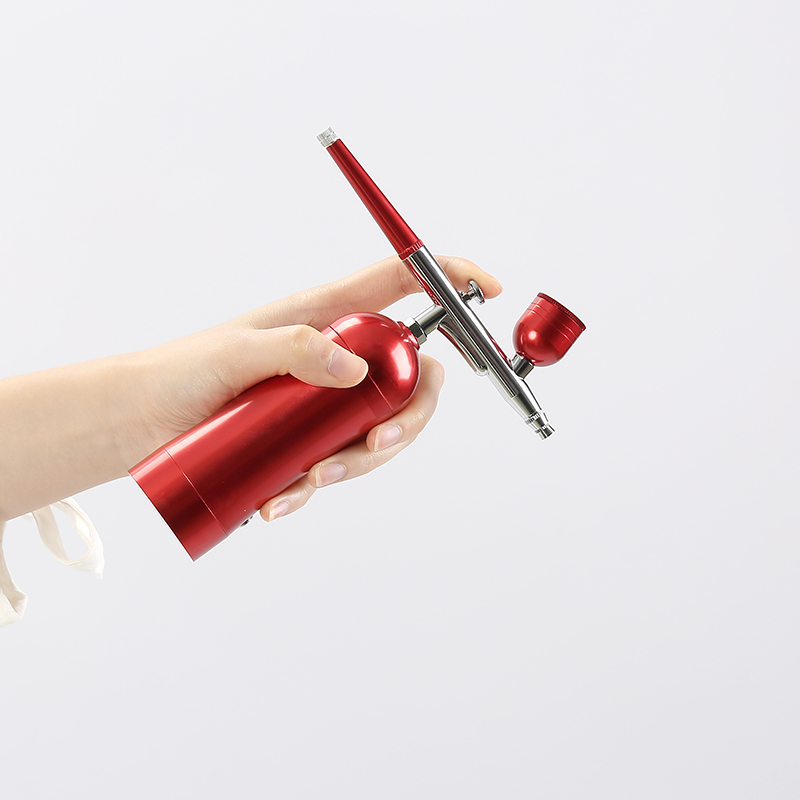
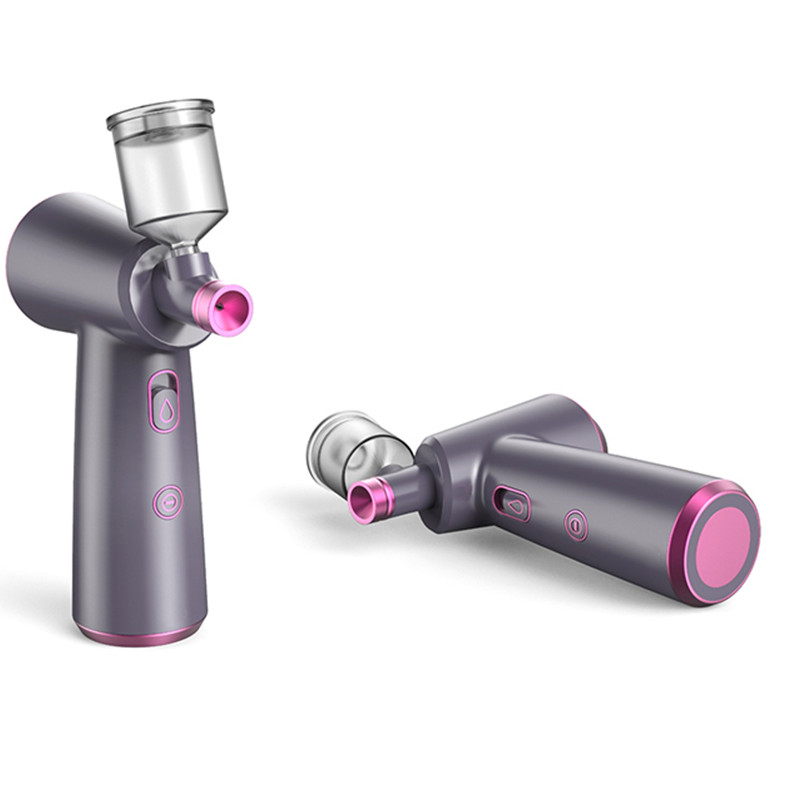
Oxygen Jets
Source professional-grade oxygen jets from vetted suppliers and manufacturers in China and across Asia. Designed for importers, wholesalers, distributors, and aesthetic brands looking for reliable bulk purchasing and OEM/private-label production. Ensure consistent performance and compliance for your beauty equipment portfolio.
Sourcing oxygen jet machines requires balancing consistent pneumatic performance with long-term compressor reliability. For aesthetic equipment distributors and private-label brands, the difference between a high-return liability and a profitable flagship product lies entirely in the internal component selection and assembly standards at the factory level.
Defining Technical Specifications for Bulk Orders
When negotiating with manufacturers, relying on off-the-shelf exterior designs is a mistake. The core value of an oxygen jet machine is dictated by its internal pneumatic system. You must specify the exact performance metrics you expect, as factories will often substitute lower-grade internal components to meet aggressive target prices.
Key specifications to define in your purchase agreements include:
- Compressor Type: Must be an oil-free air compressor to prevent contamination of the oxygen/saline stream.
- Output Pressure: Measured in Bar or PSI. Clinical-grade machines require 6 to 8 Bar to achieve the necessary supersonic saline velocity for effective epidermal exfoliation.
- Oxygen Purity: If the unit includes an onboard oxygen generator (rather than just an air compressor for jet peels), specify a purity output of over 90 percent at maximum flow rate.
- Handpiece Nozzle Diameter: Typically ranging from 50 to 80 microns. Smaller diameters require higher pressure to prevent clogging and ensure a fine mist.
| Specification | Entry-Level / Spa Grade | Clinical / Professional Grade |
|---|---|---|
| Output Pressure | 2 to 4 Bar | 6 to 8+ Bar |
| Flow Rate | Under 5 L/min | 10 to 15+ L/min |
| Handpiece Material | Standard Alloy / ABS | 316L Stainless Steel |
| Continuous Operation | 30 to 45 minutes | 12+ hours (with active cooling) |
Need help verifying supplier specifications? We can audit factory component lists and performance claims.
Talk to our teamManufacturing Vulnerabilities and Quality Control
The most common failure points in oxygen jet equipment occur where high pressure meets cheap materials. Internal tubing, pneumatic fittings, and heat dissipation systems are prime candidates for factory cost-cutting.
If a factory uses standard PVC tubing instead of medical-grade silicone or reinforced polyurethane, the tubing will harden, crack, or blow off its fittings under sustained pressure. Furthermore, continuous-duty compressors generate significant heat; without adequate aluminum heat sinks and high-CFM exhaust fans, the compressor's lifespan drops drastically.
Implementing strict quality control & inspection protocols during assembly is non-negotiable.
Critical Pre-Shipment Inspection Points
- Pressure gauge calibration verification against an external standard.
- Continuous run-time testing (minimum 4 hours) to monitor thermal shutdown triggers.
- Acoustic testing: verifying decibel levels remain under 60dB during maximum pressure output.
- Leakage tests on all internal pneumatic quick-connect fittings.
- Inspection of handpiece nozzles under magnification for burrs or asymmetrical apertures.
To ensure you are partnering with a capable manufacturer, conducting factory audits is highly recommended. You should look for facilities that hold ISO 13485 certification, even if your specific market classifies the device as cosmetic rather than medical. This indicates mature quality management systems.
Customization and OEM/ODM Production
For brands looking to establish market dominance, white-labeling a standard chassis is rarely enough. Through OEM/ODM services, you can customize the user interface (UI), integrate proprietary treatment protocols into the software, and design bespoke handpieces that match your brand's aesthetic.
When customizing the software, ensure the factory uses stable Android or Linux-based mainboards with responsive capacitive touchscreens, rather than outdated resistive touch panels.
Pricing, MOQs, and Lead Times
Procurement costs vary heavily based on the compressor's origin (imported Japanese/German compressors command a premium over domestic Chinese equivalents) and the complexity of the software interface.
Planning a custom product line? Let us negotiate MOQs and manage the prototyping phase with reliable manufacturers.
Get a free consultationBuyer FAQ
Success in sourcing oxygen jets comes down to looking past the sleek exterior and dictating the quality of the pneumatic engine inside. By defining strict technical tolerances and enforcing them through rigorous inspection, you can secure equipment that performs reliably in demanding clinical environments.
Get Sourcing Help for Oxygen Jets
Tell us your requirements and our experts will connect you with verified manufacturers.