Oxides
Source industrial and high-purity oxides from vetted suppliers and manufacturers across Asia. Designed for importers, chemical distributors, and large-scale manufacturing brands, our wholesale network provides reliable access to bulk inorganic oxides tailored to your precise technical specifications and production timelines.
Sourcing inorganic oxides in commercial volumes requires strict attention to chemical purity, physical morphology, and batch-to-batch consistency. Whether you are procuring titanium dioxide for coatings, zinc oxide for rubber vulcanization, or high-purity aluminum oxide for advanced ceramics, the core challenge remains the same: ensuring the factory can reliably reproduce the exact particle size distribution and chemical profile your application demands, shipment after shipment.
Critical Specifications for Bulk Oxides
When negotiating with manufacturers, vague specifications invite unacceptable variance. Industrial oxides are highly sensitive to their manufacturing conditions (such as calcination temperatures and precipitation rates), which directly dictate their physical properties.
To secure the right product, your technical data sheet (TDS) and purchase agreements must explicitly define the following parameters:
- Purity and Trace Impurities: Define the absolute minimum purity percentage (e.g., 99.5%) and set strict parts-per-million (ppm) maximums for heavy metals like lead (Pb), iron (Fe), or cadmium (Cd), which can cause discoloration or regulatory failures.
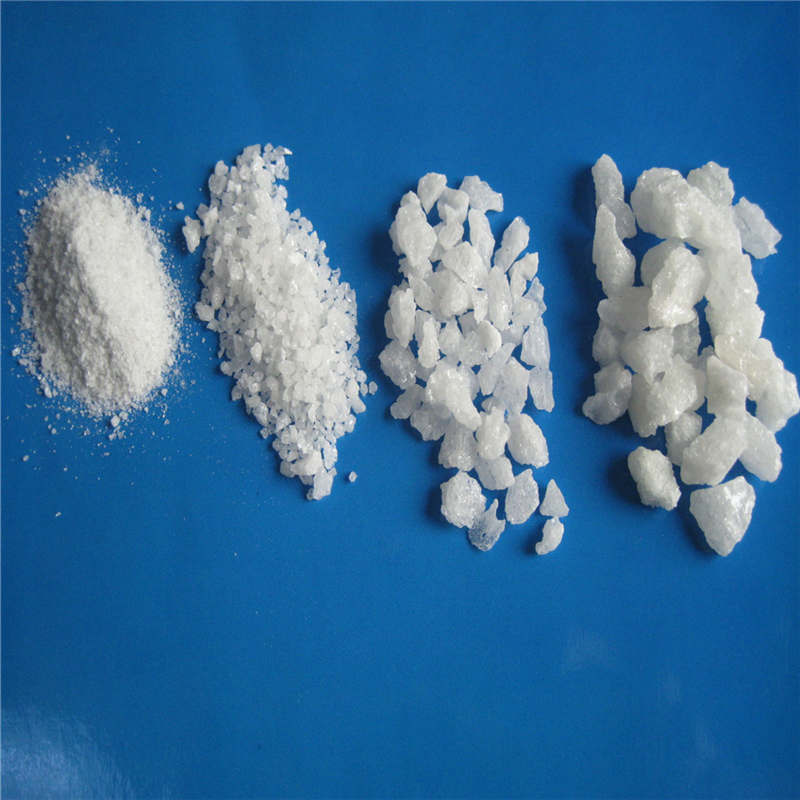
- Particle Size Distribution (PSD): Do not rely solely on average particle size (D50). Specify the D10 and D90 values to ensure a narrow distribution.
- Specific Surface Area (BET): Crucial for catalytic or reactive applications, BET surface area (measured in m²/g) determines how the oxide will interact in chemical processes.
- Moisture Content and Loss on Ignition (LOI): Hygroscopic oxides will absorb ambient humidity. Specify maximum moisture limits (typically under 0.5%) to prevent clumping and inaccurate dosing by weight.
Struggling with inconsistent oxide batches? Let our chemical sourcing experts audit your supply chain and establish strict quality parameters.
Get a free consultationManufacturing Variables and Quality Control
The physical characteristics of an oxide are largely locked in during the calcination or milling phases at the factory. If a supplier rushes the calcination process by increasing the temperature too rapidly, it can lead to particle agglomeration or incomplete phase transitions (e.g., anatase to rutile in TiO2).
Relying solely on a supplier's factory-issued Certificate of Analysis (COA) is a common procurement risk. A robust Quality Control & Inspection protocol is essential to verify the material before container loading.
Pre-Shipment Verification Checklist for Oxides
- Cross-reference factory COA with independent third-party lab testing.
- Verify particle size distribution using laser diffraction analysis.
- Check moisture content levels immediately prior to sealing.
- Inspect packaging integrity for heavy-duty multi-wall bags or FIBCs with moisture barriers.
- Confirm phase purity using X-ray diffraction (XRD) if multiple crystalline structures exist.
If your target market has strict environmental or safety regulations, integrating independent Compliance & Testing into your supply chain ensures the materials meet REACH, RoHS, or specific pharmacopeia standards before they leave the country of origin.
| Grade Category | Typical Purity | Key Characteristics | Primary Use Cases |
|---|---|---|---|
| Standard Industrial | 95% to 98% | Broader particle size distribution, higher trace metals | Ceramics, basic pigments, building materials |
| Technical / Refined | 99% to 99.5% | Controlled PSD, low moisture, consistent whiteness | Coatings, plastics, rubber compounding |
| High-Purity / Electronic | 99.9% to 99.999% | Ultra-fine or nano-scale, near-zero trace impurities | Semiconductors, advanced optics, aerospace |
Packaging and Logistics Considerations
Inorganic oxides are typically dense powders that are prone to moisture absorption and caking. Standard packaging usually involves 25kg multi-wall paper bags with PE inner liners, or 500kg to 1000kg Flexible Intermediate Bulk Containers (FIBCs / Jumbo bags).
For highly hygroscopic oxides, vacuum sealing or the inclusion of desiccants within the container is mandatory. Because these are heavy commodities, optimizing the container payload without exceeding weight limits is critical for unit economics. Proper palletization, shrink-wrapping, and coordination of Shipping & Freight are vital to ensure the product arrives free of contamination and compaction.
Pricing Drivers, MOQs, and Lead Times
The pricing of inorganic oxides is heavily influenced by raw material commodity markets (e.g., zinc ingots, titanium ore), energy costs for calcination, and the required purity levels.
When forecasting costs, remember that moving from a 99% purity to a 99.9% purity does not scale linearly in price; the extensive refining required can double or triple the cost per metric ton. Engaging a partner for professional Product Sourcing can help you identify factories that specialize in your exact required grade, rather than paying a premium for a supplier to adapt their standard lines.
Need reliable pricing and lead times for your next bulk oxide contract? Connect with us to secure competitive terms from vetted manufacturers.
Talk to our teamFrequently Asked Questions
Securing a reliable supply of inorganic oxides is about matching your specific technical requirements with a factory's core competency. By thoroughly defining your chemical and physical specifications and enforcing strict pre-shipment testing, you can eliminate the costly disruptions of inconsistent raw materials.
Get Sourcing Help for Oxides
Tell us your requirements and our experts will connect you with verified manufacturers.