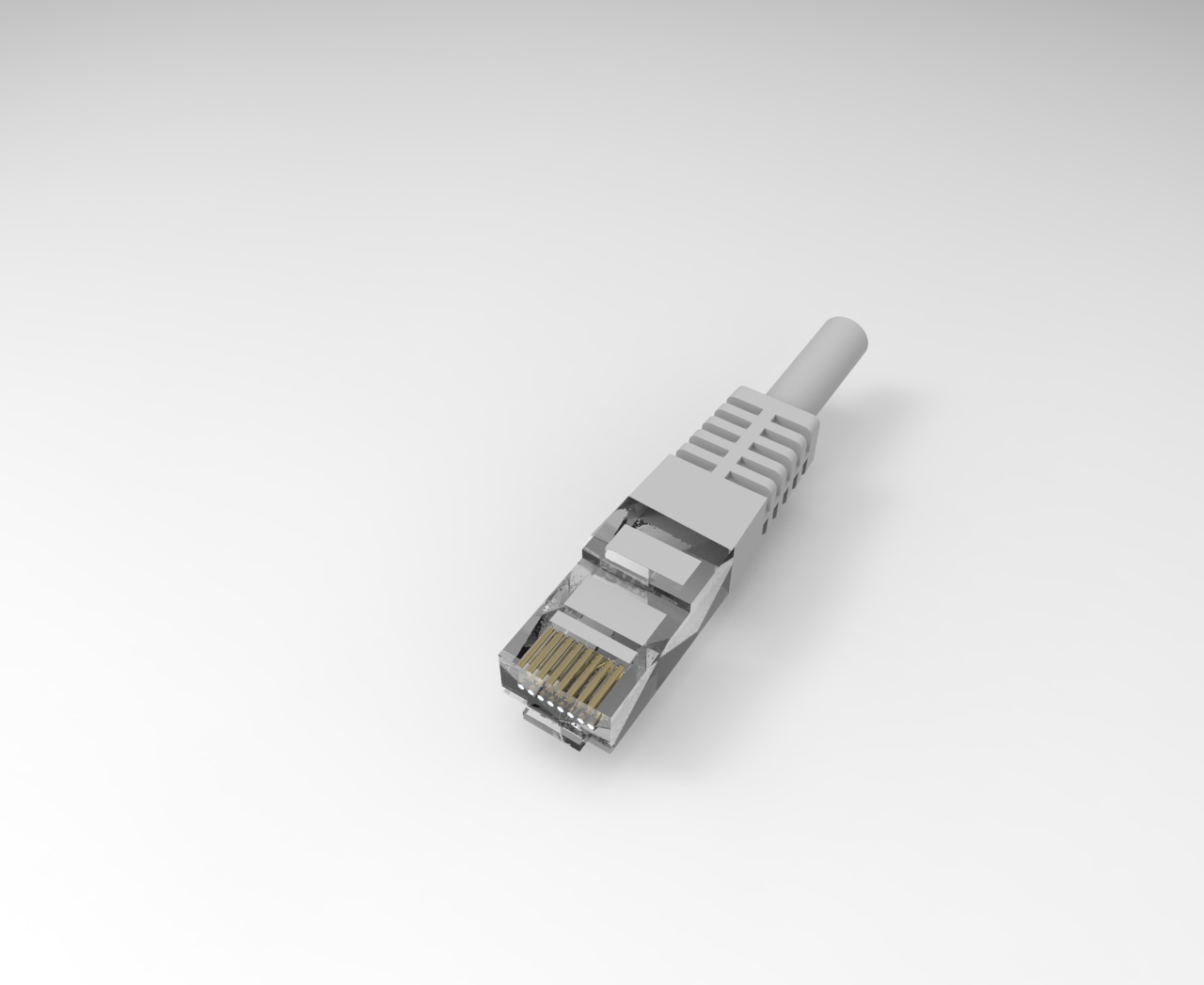
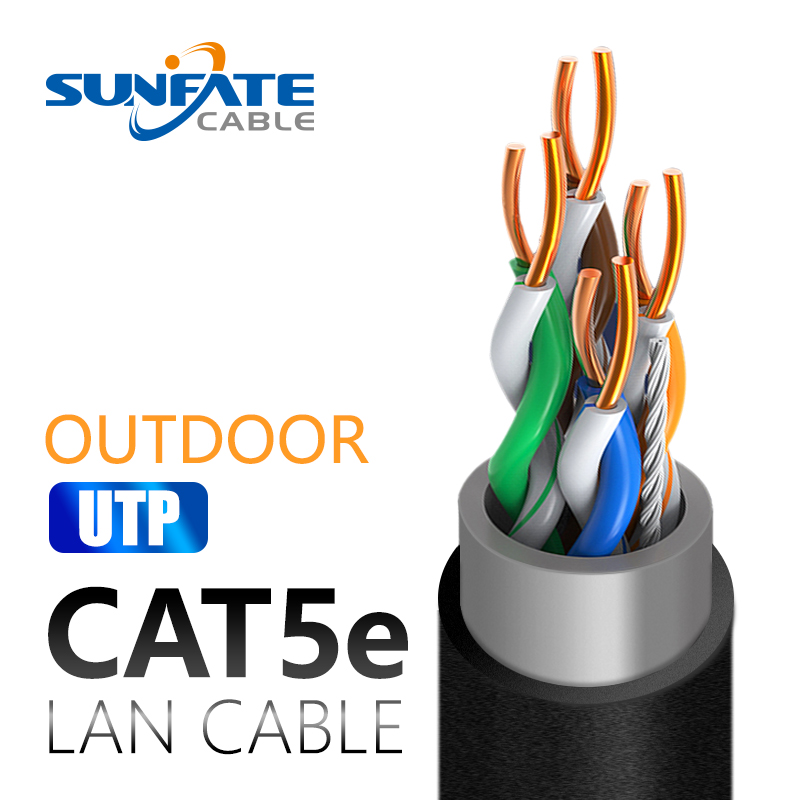
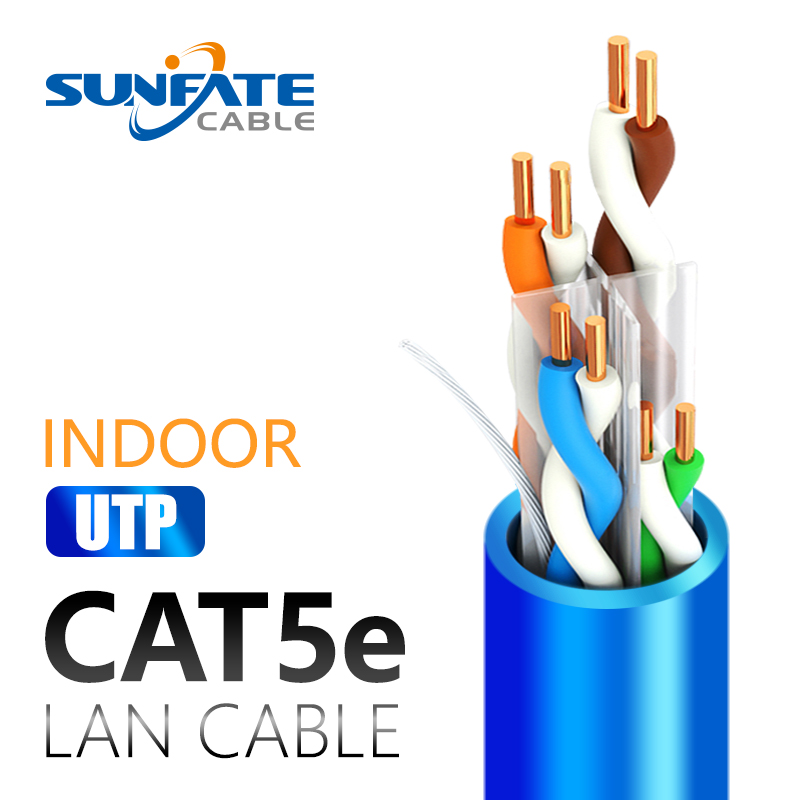
Other Wires, Cables & Cable Assemblies
Source high-quality Other Wires, Cables & Cable Assemblies from vetted manufacturers and suppliers. Designed for importers, distributors, and brands seeking bulk wholesale purchasing or custom OEM/ODM production. Secure reliable supply chains for specialized electrical and connectivity requirements.
Sourcing specialized or custom cable assemblies that fall outside standard consumer electronics categories requires tight control over the Bill of Materials (BOM) and manufacturing tolerances. Whether you are procuring mixed-signal harnesses, harsh-environment industrial cables, or proprietary overmolded assemblies, the core challenge is translating precise engineering requirements into consistent, defect-free mass production without letting suppliers quietly substitute inferior materials.
Defining Specifications for Specialty Assemblies
When dealing with non-standard wires and assemblies, the technical specification sheet is your primary defense against quality fade. Factories optimize for cost; if a specification is absent, the cheapest viable option will be used.
You must explicitly define the conductor material, stranding configuration, shielding coverage, and jacketing compound. A common tactic in lower-tier factories is substituting Oxygen-Free Copper (OFC) with Copper-Clad Aluminum (CCA) or recycled copper to reduce costs, which drastically impacts conductivity and flexibility.
Conductor Material: Pure Copper (OFC) vs. Copper-Clad Aluminum (CCA)
Advantages
- OFC: Superior conductivity and lower electrical resistance
- OFC: High flexibility and fatigue resistance in dynamic applications
- CCA: Significantly lighter weight
- CCA: Lower raw material cost
Disadvantages
- OFC: Higher raw material cost tied to global copper markets
- OFC: Heavier overall cable weight
- CCA: Brittleness leads to breakage under repeated flexing
- CCA: Higher resistance can cause overheating in power applications
Jacketing and Insulation Selection
The operating environment dictates the outer jacket and inner insulation. Standard PVC is cost-effective but unsuitable for extreme temperatures or environments requiring strict fire safety ratings.
| Material | Characteristics | Typical Applications |
|---|---|---|
| Standard PVC | Cost-effective, moderate flexibility, standard temperature range | General indoor wiring, standard peripheral cables |
| LSZH (Low Smoke Zero Halogen) | Emits no toxic fumes when burned, stiffer than PVC | Public infrastructure, aerospace, mass transit |
| PTFE (Teflon) | Exceptional heat and chemical resistance, low friction | Industrial, medical, high-frequency signal transmission |
| Silicone Rubber | Extreme flexibility, high temperature tolerance | Robotics, medical devices, harsh environment sensors |
Need help matching complex cable specifications with a capable manufacturer?
Discuss your technical requirementsManufacturing Vulnerabilities and Quality Control
The assembly process—cutting, stripping, crimping, soldering, and overmolding—introduces multiple points of failure. Even with premium raw wire, a poor termination will ruin the assembly.
Weak crimps lead to intermittent connectivity and increased resistance, while improper soldering can cause cold joints. For custom connectors, the overmolding process requires precise temperature and pressure control; otherwise, you risk flash (excess plastic), voids, or damage to the internal solder joints. Implementing rigorous Quality Control & Inspection protocols during production is essential to catch these issues before the goods are containerized.
Critical Factory-Floor Checks for Cable Assemblies
- Crimp height and pull-force testing to ensure terminal integrity
- Hi-Pot (High Potential) testing for insulation breakdown and current leakage
- Continuity and short-circuit testing on 100 percent of completed assemblies
- Visual inspection of overmold for flash, short shots, or sink marks
- Verification of shielding coverage (percentage of braid or foil wrap)
Tooling, Customization, and OEM/ODM Production
Many specialized assemblies require custom connectors, unique strain reliefs, or proprietary pinouts. This pushes the sourcing process into OEM/ODM Services, requiring custom tooling.
Overmold tooling (the metal dies used to inject plastic around the connector and wire) is generally inexpensive in Asia compared to Western markets, but the quality of the tool steel dictates its lifespan. Ensure you clarify tool ownership, maintenance responsibilities, and guaranteed shot counts before paying tooling fees.
Tooling Ownership
Always explicitly state in your manufacturing agreement that you own the custom injection molds and tooling, and that they cannot be used to produce goods for other clients.
Pricing Drivers, MOQs, and Lead Times
Cable pricing is highly volatile, driven primarily by the London Metal Exchange (LME) copper spot price. Most serious manufacturers will quote prices with a short validity period (often under 14 days) or include a copper price adjustment clause.
Validating a supplier's capacity to handle your volume and complexity is crucial. Relying on trading companies that outsource to unverified workshops often results in inconsistent batches. Conducting thorough Factory Audits ensures the facility has the necessary automated cut-strip-crimp machinery and testing equipment in-house.
Ensure your supply chain is resilient and your pricing is competitive.
Get a free consultationFrequently Asked Questions
Securing reliable production for specialized wires and cable assemblies requires looking past the initial per-unit quote. Success depends on locking down the BOM, verifying the factory's in-house testing capabilities, and maintaining strict oversight on raw material quality. When the specifications are complex, having experienced eyes on the factory floor makes all the difference.
Get Sourcing Help for Other Wires, Cables & Cable Assemblies
Tell us your requirements and our experts will connect you with verified manufacturers.