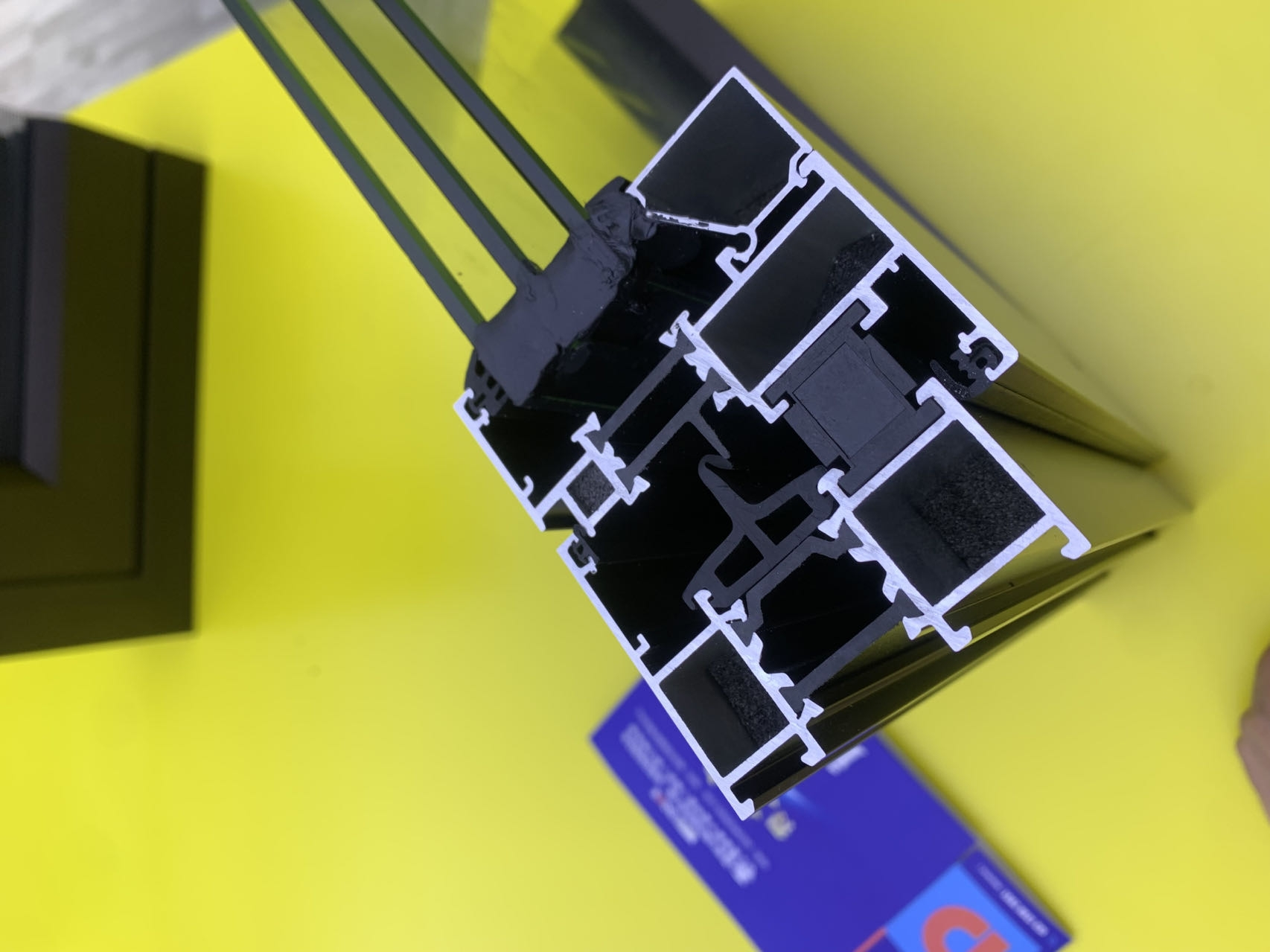
Other Windows
Source bulk specialty and custom "Other Windows" directly from vetted manufacturers and wholesale suppliers. Designed for importers, distributors, commercial builders, and brands requiring OEM/private-label production, this category covers non-standard architectural, industrial, and high-performance fenestration products. Secure reliable factory pricing for your exact specifications.
Sourcing non-standard or specialty windows—whether commercial pass-through units, blast-resistant glazing, smart glass panels, or custom architectural shapes—requires a manufacturer capable of moving beyond standard extrusion profiles. When dealing with specialized fenestration, the sourcing challenge shifts from high-volume standardization to engineering capability, precise tooling adaptation, and rigorous performance validation.
To successfully import specialty windows in bulk, you must define the exact performance envelope and ensure the factory's production line is equipped to handle custom Insulated Glass Unit (IGU) makeups and specialized hardware integrations.
Defining Specifications for Specialty Windows
Standard residential metrics often fall short when dealing with non-standard window categories. Buyers must provide factories with comprehensive technical data sheets to avoid costly miscommunications.
Critical Specifications for Factory Briefings
- Thermal Performance: Specify exact target U-factors and Solar Heat Gain Coefficients (SHGC), detailing the required Low-E coating positions (e.g., Surface 2 or 3).
- Acoustic Ratings: For sound-dampening applications, specify the target Sound Transmission Class (STC) or Outdoor-Indoor Transmission Class (OITC), requiring asymmetrical glass thicknesses or acoustic PVB interlayers.
- Structural Integrity: Define the required Design Pressure (DP) rating to ensure the frame extrusion and glass thickness can withstand local wind loads.
- Glazing Makeup: Detail the spacer type (e.g., warm-edge vs. aluminum), gas fill (argon or krypton fill rates over 90 percent), and safety glass requirements (tempered or laminated).
- Hardware Cycles: Specify the required cycle testing for custom operational hardware, especially for heavy commercial or motorized specialty units.
Sourcing non-standard windows requires rigorous supplier matching. Let us find the right factory for your custom specifications and negotiate the technical details.
Talk to our teamManufacturing Tolerances and Quality Control
The durability of any specialty window is won or lost during the extrusion, thermal breaking, and IGU sealing processes. Catching defects at the factory level through dedicated Quality Control & Inspection is critical before units are containerized.
Profile Extrusion and Thermal Breaking
For aluminum frames, ensure the factory uses high-quality polyamide struts for thermal breaks rather than cheap poured polyurethane, which can shrink and compromise structural integrity.
IGU Assembly and Sealing
The primary seal (usually Polyisobutylene) blocks moisture vapor, while the secondary seal (silicone or polysulfide) provides structural strength. Poor application here guarantees premature fogging and seal failure.
Hardware Integration and Alignment
Custom window shapes or oversized specialty units put unique stress on hinges and tracks. Factories must pre-assemble and test a statistical sample of units to verify smooth operation and compression seal engagement.
Compliance, Certification, and Factory Vetting
Window regulations are strictly localized. A factory producing excellent windows for the domestic Asian market may not meet the compliance requirements for your region.
If you are importing to North America, the factory must be able to produce units that pass NFRC (National Fenestration Rating Council) and AAMA testing. For Europe, CE marking and EN standards apply; for Australia, AS2047 is mandatory. Verifying these capabilities requires thorough Factory Audits to confirm that the supplier holds valid test reports for the specific extrusion profiles and glass makeups you intend to buy, rather than just a generic factory ISO certificate. Furthermore, coordinating Compliance & Testing with third-party labs is often necessary for entirely custom OEM window designs.
Typical Pricing, MOQs, and Lead Times
Because "Other Windows" encompasses highly varied products, pricing and minimum order quantities (MOQs) depend heavily on whether you are utilizing existing factory tooling or requiring custom extrusion dies.
Shipping Considerations
Specialty windows, particularly oversized or heavy acoustic units, require specialized A-frame crating. Ensure your supplier agreement explicitly covers export-grade, fumigated wooden crating to prevent glass breakage and frame warping during ocean transit.
Need accurate pricing, tooling costs, and lead times for your specialty window project? We handle the sourcing, vetting, and negotiations.
Get a free consultationFrequently Asked Questions
Sourcing specialty windows in volume demands a precise alignment between your technical requirements and the factory's production capabilities. By enforcing strict quality control protocols and validating compliance early in the sourcing process, you can secure high-performance custom fenestration at competitive wholesale price points.
Get Sourcing Help for Other Windows
Tell us your requirements and our experts will connect you with verified manufacturers.