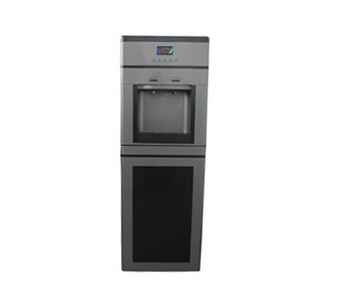
Other Water Treatment Appliances
Source bulk Other Water Treatment Appliances from vetted manufacturers and suppliers. Designed for importers, wholesalers, and brands seeking reliable OEM/private-label production, this catalog covers specialized home water purification, sterilization, and conditioning units built to international compliance standards.
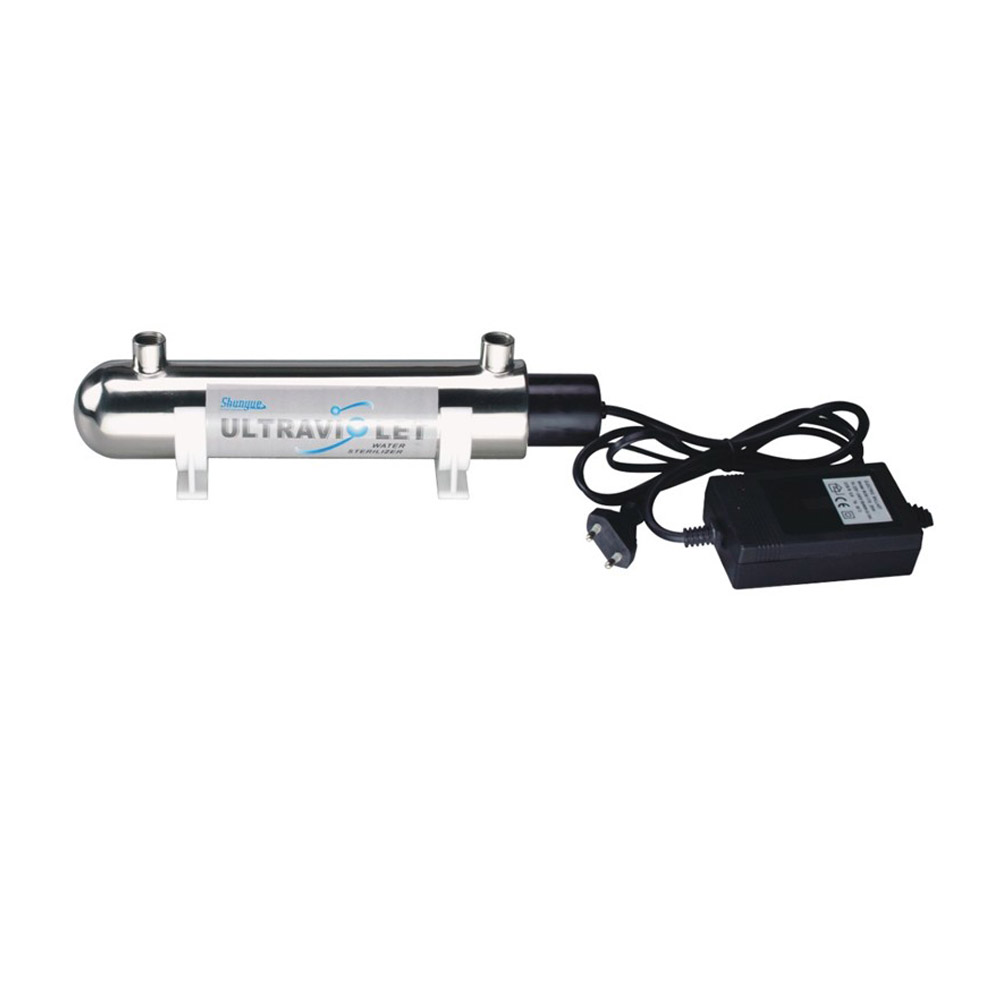
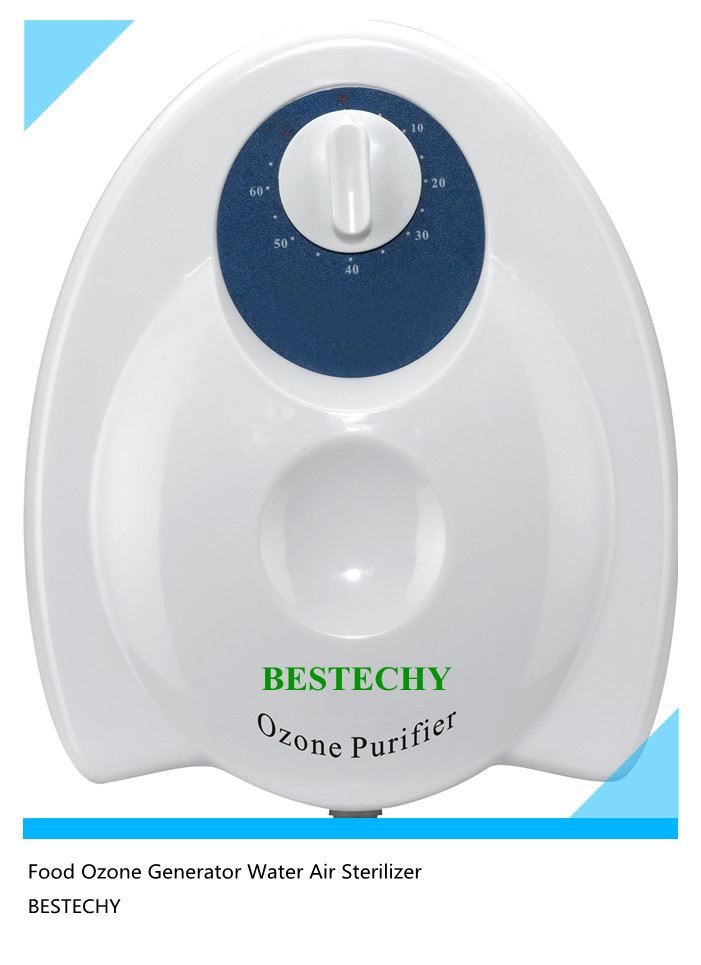
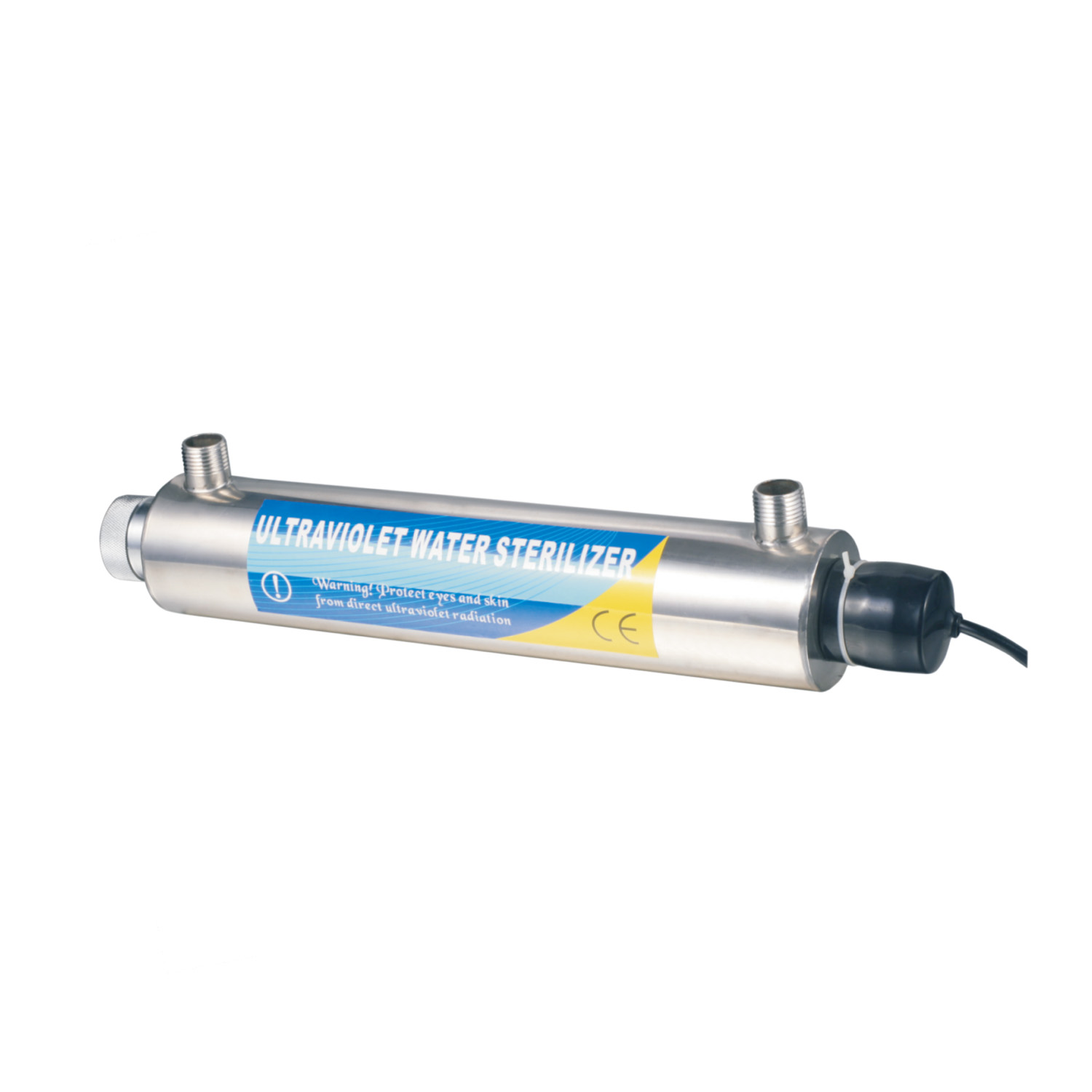
Sourcing specialized water treatment appliances—such as residential UV sterilizers, ozone generators, water ionizers, and magnetic descalers—requires strict attention to material safety, electrical integration, and pressure tolerance. Unlike standard gravity filters, these appliances often combine active electrical components with continuous water flow, making strict manufacturing oversight and material verification critical to avoiding catastrophic leaks or electrical failures in the end-user's home.
Critical Specifications for Specialized Water Treatment
When negotiating with manufacturers, vague specifications lead to inconsistent production runs. You must define the exact parameters for both the wetted components and the active treatment mechanisms.
Key Technical Specifications to Define
- Housing Material: Specify food-grade ABS, Polypropylene (PP), or 304/316 Stainless Steel for wetted parts.
- Pressure Tolerance: Minimum operating pressure and burst pressure thresholds (e.g., tested to 125 PSI).
- Flow Rate Capacity: Rated in Gallons Per Minute (GPM) or Liters Per Minute (LPM) to ensure effective treatment contact time.
- Electrical Safety: IP ratings for enclosures (minimum IP65 for wet environments) and required voltages (110V/220V).
- Active Component Lifespan: Rated hours for UV lamps (typically 8,000 to 10,000 hours) or ozone cells.
Material Selection: Wetted Parts and Housings
The choice of housing material directly impacts the appliance's durability, cost, and compliance with drinking water standards.
| Material | Common Application | Durability & Pressure | Cost Profile |
|---|---|---|---|
| Food-Grade ABS/PP | Countertop units, shower filters | Moderate; susceptible to UV degradation over time | Low to Medium |
| 304 Stainless Steel | Inline UV sterilizers, ionizers | High; excellent pressure resistance | Medium to High |
| 316 Stainless Steel | High-salinity or corrosive environments | Maximum; superior pitting resistance | Premium |
Manufacturing Risks and Quality Control
The primary failure points in powered water treatment appliances occur at the intersection of water and electricity, or at the structural seams of pressurized housings. Micro-cracks from improper injection molding temperatures or poorly seated O-rings during assembly can result in slow leaks that damage property.
Implementing rigorous Quality Control & Inspection directly on the factory floor is the only reliable way to catch these defects before shipment.
Hydrostatic Pressure Testing
Ensure your supplier performs 100% inline hydrostatic testing on all pressurized units. A standard batch test is insufficient for appliances permanently plumbed into a residential water supply. Units should be tested at 1.5 times their maximum rated operating pressure for a minimum of 15 minutes.
Need reliable manufacturers for specialized water treatment appliances? We handle supplier vetting, technical negotiations, and on-site quality control.
Talk to our teamNavigating Compliance and Certification
Water treatment appliances face stringent regulatory hurdles. Electrical components must meet regional safety standards (CE, UL, RoHS), while any component touching drinking water must comply with material safety standards.
Relying on a supplier's broad claim of "NSF certified" is a common trap. Often, a factory will use an NSF-certified filter media, but the appliance housing itself has not been tested for material extraction or structural integrity. If you are developing a custom product, utilizing professional Compliance & Testing services ensures your specific appliance meets the required NSF/ANSI standards (such as Standard 55 for UV systems) before entering your target market.
Production Realities: MOQ, Pricing, and Lead Times
Understanding the operational baseline for Asian manufacturers helps in structuring realistic procurement timelines and budgets.
If you are modifying housing designs, integrating proprietary smart sensors, or changing the internal treatment mechanisms, you will be utilizing OEM/ODM Services. Custom tooling requires upfront investment (typically ranging from $3,000 to $10,000 depending on mold complexity) and increases the initial MOQ to amortize the setup costs.
Protect your supply chain with expert sourcing, factory audits, and end-to-end production management.
Get a free consultationBuyer FAQ
Successful procurement in the water treatment sector requires separating genuine manufacturers with controlled assembly environments from trading companies that outsource production to the lowest bidder. Conducting thorough Factory Audits before placing a deposit is the most effective way to verify a supplier's engineering capabilities, testing infrastructure, and long-term reliability.
Get Sourcing Help for Other Water Treatment Appliances
Tell us your requirements and our experts will connect you with verified manufacturers.