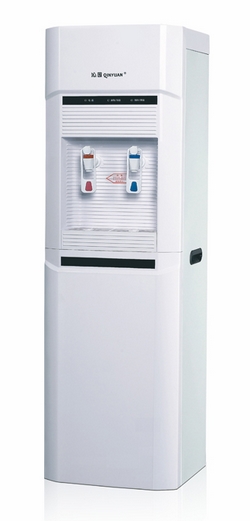
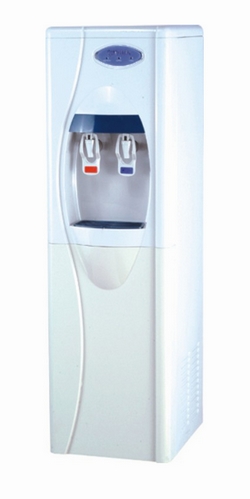
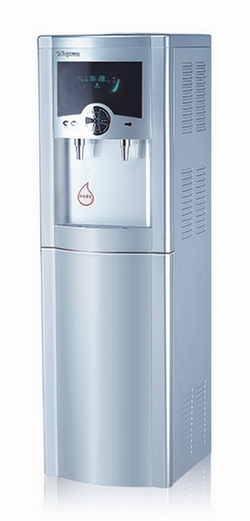
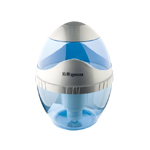
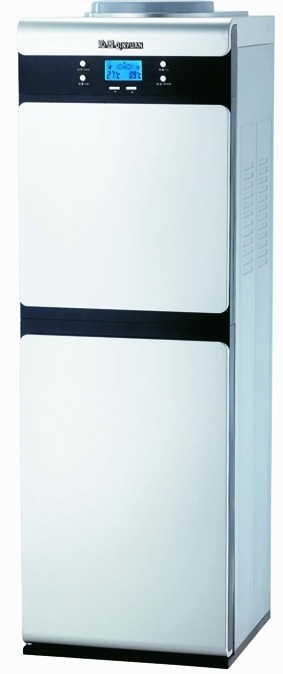
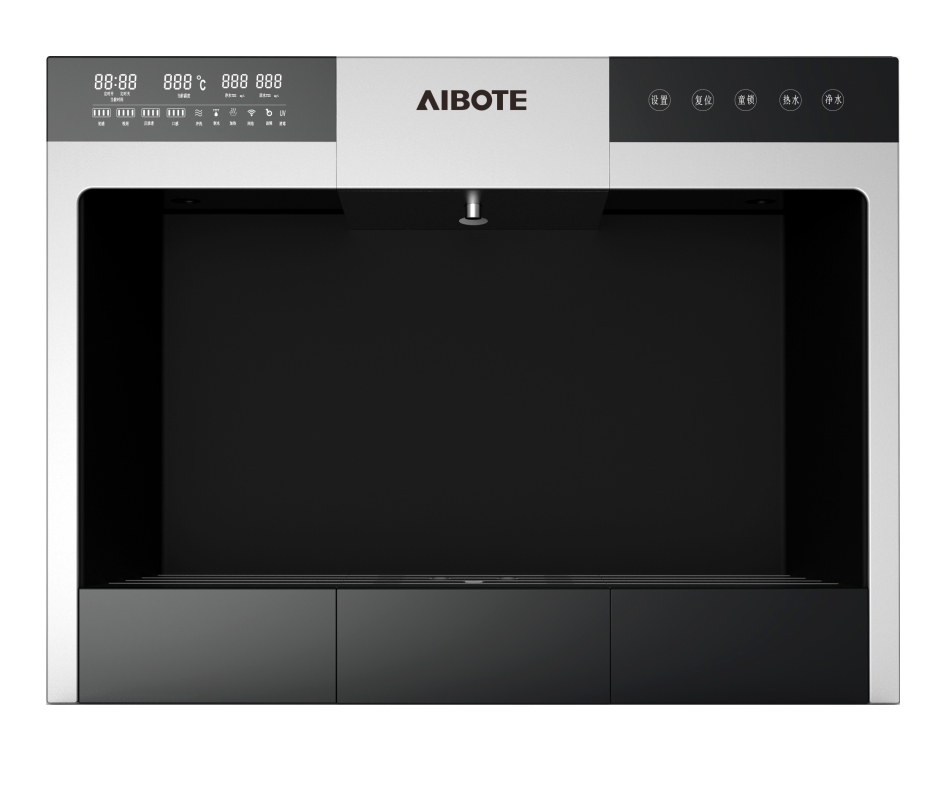
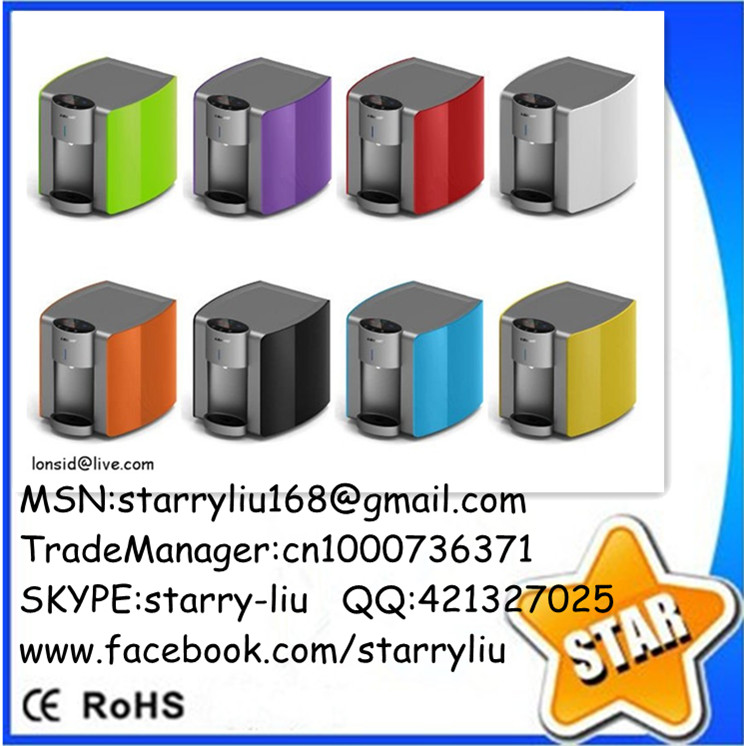
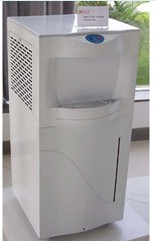
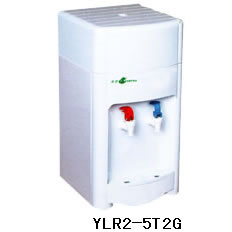
Other Water Dispensers
Source specialized and Other Water Dispensers in bulk directly from vetted Chinese manufacturers. Designed for importers, wholesalers, and brands seeking OEM and private-label production, our network delivers niche water dispensing solutions with reliable quality control, certified food-grade materials, and competitive wholesale pricing.
Sourcing specialty or unconventional water dispensers requires navigating a highly fragmented manufacturing base in Asia. Because this category encompasses everything from intelligent pet hydration systems and portable electric jug pumps to specialized countertop instant-boil units, factory capabilities vary drastically. A supplier that excels in high-volume, injection-molded plastic pumps may completely lack the electrical engineering and PCB assembly required for smart, IoT-enabled dispensing systems. Identifying the right manufacturing partner means looking past the product catalog and evaluating their specific production lines, testing facilities, and engineering bench.
Defining Technical Specifications and Materials
When sourcing non-standard water dispensers, the primary risk lies in material safety and component longevity. Buyers must clearly specify the grades of materials used in all water-contact areas to ensure compliance with international food safety standards.
Plastics must be specified as BPA-free, utilizing materials like food-grade PP, ABS, or Tritan, depending on the required impact resistance and clarity. For units with heating capabilities, internal reservoirs and heating elements should utilize SS304 or SS316 stainless steel to prevent corrosion and scaling over time.
| Component | Standard Specification | Premium/OEM Specification |
|---|---|---|
| Water Pump | Standard brushed motor (approx. 5,000 hrs) | Brushless ultra-quiet motor (10,000+ hrs) |
| Housing Material | Standard PP or ABS plastic | Tritan (BPA-free) or SS304 stainless steel |
| Heating Element | External aluminum band | Internal SS316 thick-film heating tube |
| Seals & Gaskets | Commercial-grade rubber | Food-grade liquid silicone |
Need help matching your custom dispenser design to a specialized manufacturer with the right engineering capabilities?
Talk to our teamManufacturing Quality Control and Common Defects
The assembly of specialty water dispensers involves integrating fluid dynamics with electronics—a combination that frequently leads to high defect rates if production lines are poorly managed. Micro-leaks, pump failures, and PCB malfunctions are the most common issues encountered during mass production.
Preventing these defects requires stringent oversight on the factory floor. Relying on end-of-line inspections is rarely sufficient; integrating quality control protocols during the assembly phase is critical.
Critical In-Line QC Checks for Water Dispensers
- Air-pressure decay testing on all internal plumbing joints to detect micro-leaks before final casing assembly.
- Acoustic testing of water pumps in a soundproof chamber to ensure operating noise remains under 40dB.
- Dry-run protection testing to verify sensors shut off the pump/heater when water levels are critically low.
- High-pot (dielectric withstand) testing on all units with electrical heating elements or mains power connections.
Before committing to a high-volume order, conducting comprehensive factory audits is essential to verify that the supplier actually possesses the specialized testing equipment (like flow-rate meters and decibel chambers) required for your specific product type.
Production Realities: MOQs, Tooling, and Lead Times
Because "other" water dispensers often involve unique form factors or smart features, buyers frequently utilize OEM/ODM services to differentiate their products in the market. This requires a clear understanding of custom tooling costs and realistic production timelines.
Pricing is heavily dictated by the core components: the type of water pump (brushless vs. brushed), the presence of advanced filtration (like integrated UV-C sterilization), and the complexity of the PCB. When negotiating, always require a detailed Bill of Materials (BOM) to understand exactly what components are driving the cost.
Ready to negotiate pricing, finalize your BOM, and secure reliable production capacity?
Get a free consultationFrequently Asked Questions
Successfully sourcing specialized water dispensers requires a rigorous approach to component specification and factory vetting. By controlling the Bill of Materials and enforcing strict in-line testing for leaks and electrical safety, you can secure high-quality products that perform reliably in the field.
Get Sourcing Help for Other Water Dispensers
Tell us your requirements and our experts will connect you with verified manufacturers.