Other Ultrasonic Cleaners
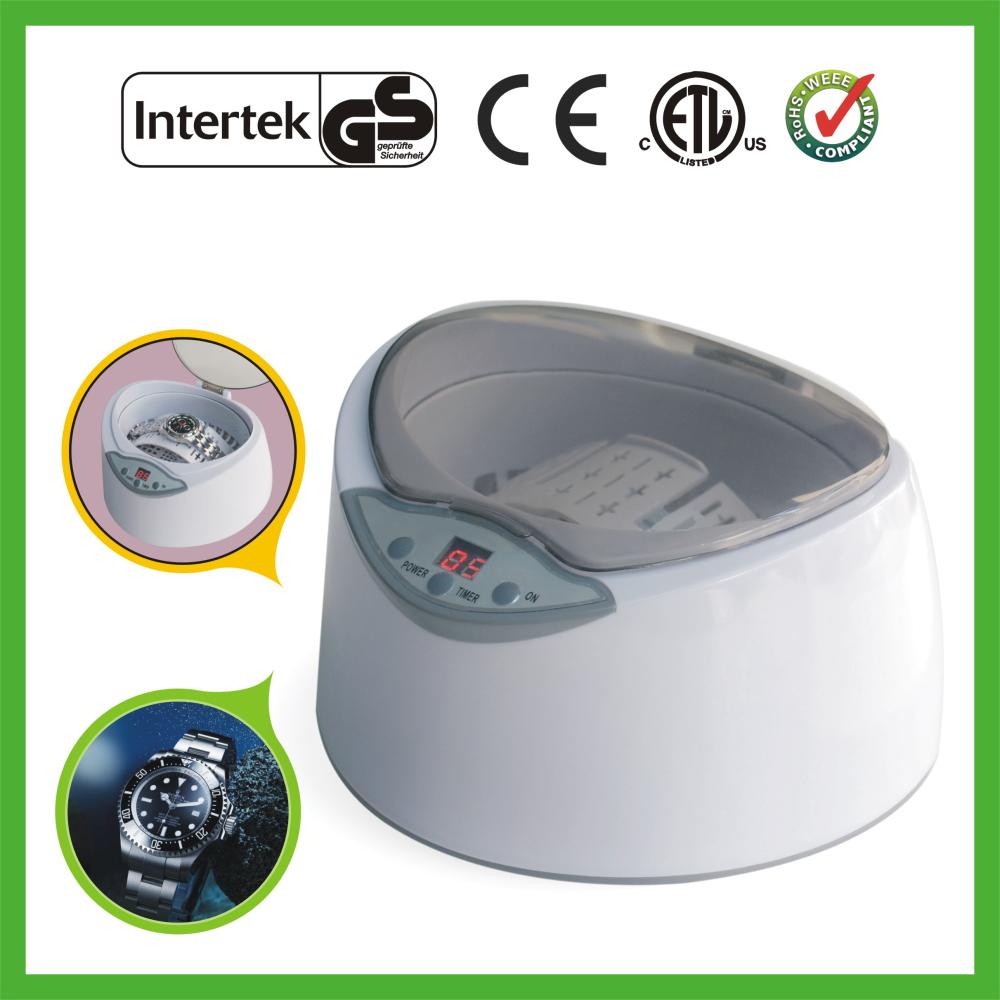
Source bulk specialty and non-standard ultrasonic cleaners directly from vetted manufacturers. Designed for importers, wholesalers, distributors, and brands seeking OEM/ODM production, this category covers innovative cleaning devices requiring precise frequency control, durable transducers, and reliable waterproofing.
Sourcing specialized ultrasonic cleaning devices—whether portable wands, immersible food purifiers, or niche component cleaners—requires moving beyond standard jewelry bath specifications. Because these "other" ultrasonic cleaners often serve highly specific use cases, the primary sourcing challenge lies in matching the right transducer frequency and power output to the application. Buyers must ensure the factory is engineering a device that generates effective cavitation without damaging delicate items or suffering premature component failure.
Core Technical Specifications to Define
When developing or selecting a niche ultrasonic cleaner, standardizing the technical specifications is critical. Off-the-shelf consumer models often exaggerate their wattage or use inferior piezoelectric discs that degrade quickly.
- Operating Frequency (kHz): The frequency dictates the size of the cavitation bubbles. Lower frequencies (28 kHz to 40 kHz) create larger bubbles for aggressive cleaning, while higher frequencies (over 40 kHz) produce smaller, gentler bubbles suited for intricate or delicate items like specialized lenses or micro-electronics.
- Transducer Quality and Bonding: Industrial-grade transducers bonded with high-temperature epoxy and specialized welding are essential. Poor bonding leads to energy loss, where the vibration is absorbed as heat rather than transferred into the cleaning medium.
- Power Output (Watts): Wattage must be proportionate to the tank volume or the intended effective range of a portable wand. High wattage in a poorly dissipated housing will melt internal ABS components.
| Device Type | Typical Frequency | Transducer Setup |
|---|---|---|
| Portable / Immersible Wands | 40 kHz - 50 kHz | Single high-efficiency transducer |
| Niche Component Cleaners | 35 kHz - 45 kHz | Multi-transducer array |
| Delicate Item Cleaners | Over 45 kHz | Low-wattage micro-transducer |
Need help validating a factory's technical capabilities for a custom ultrasonic device?
Get a free consultationManufacturing and Quality Control Challenges
The manufacturing of specialty ultrasonic cleaners involves precise assembly. Factories that excel at molding plastic housings do not always have the acoustic engineering expertise required for ultrasonic technology. It is highly recommended to conduct thorough Factory Audits to verify whether the supplier manufactures their own transducers and PCBs or simply assembles purchased components.
Common defects on the factory floor typically stem from poor assembly tolerances and inadequate testing.
Key In-Line Inspection Checkpoints
- Transducer bonding integrity: Check for air gaps in the epoxy layer which cause localized overheating.
- Waterproofing: Verify IPX7 or IPX8 ratings for immersible units using pressurized submersion tests.
- Foil test validation: Ensure consistent cavitation patterns across the entire active area.
- PCB thermal management: Test for adequate heat dissipation during continuous maximum-cycle operation.
Implementing rigorous Quality Control & Inspection before shipment is the only way to catch these invisible internal defects before they result in high return rates.
Customization and OEM/ODM Production
For brands targeting specific niches, customizing the device is often necessary. This goes beyond slapping a logo on a generic housing. Effective OEM/ODM Services in this category involve modifying the firmware to create custom cleaning cycles (e.g., alternating frequencies or specific timer presets) and selecting the right housing materials. For instance, devices exposed to harsh cleaning chemicals require 304 or 316L stainless steel tanks and chemical-resistant polymer housings.
MOQs, Lead Times, and Pricing Dynamics
Pricing for non-standard ultrasonic cleaners varies heavily based on the complexity of the transducer array and the required IP rating. Custom molds for new portable designs will require upfront tooling investments.
Tooling costs for a completely new ODM housing and PCB layout typically range from a few thousand to over ten thousand dollars, depending on the complexity of the waterproofing required.
Looking to negotiate favorable MOQs and tooling terms for a new ultrasonic product line?
Talk to our teamSourcing non-standard ultrasonic cleaners requires looking past the outer shell and focusing entirely on acoustic engineering and component durability. Partnering with a manufacturer that understands transducer integration and thermal management is the difference between a successful product launch and a costly recall.
Get Sourcing Help for Other Ultrasonic Cleaners
Tell us your requirements and our experts will connect you with verified manufacturers.