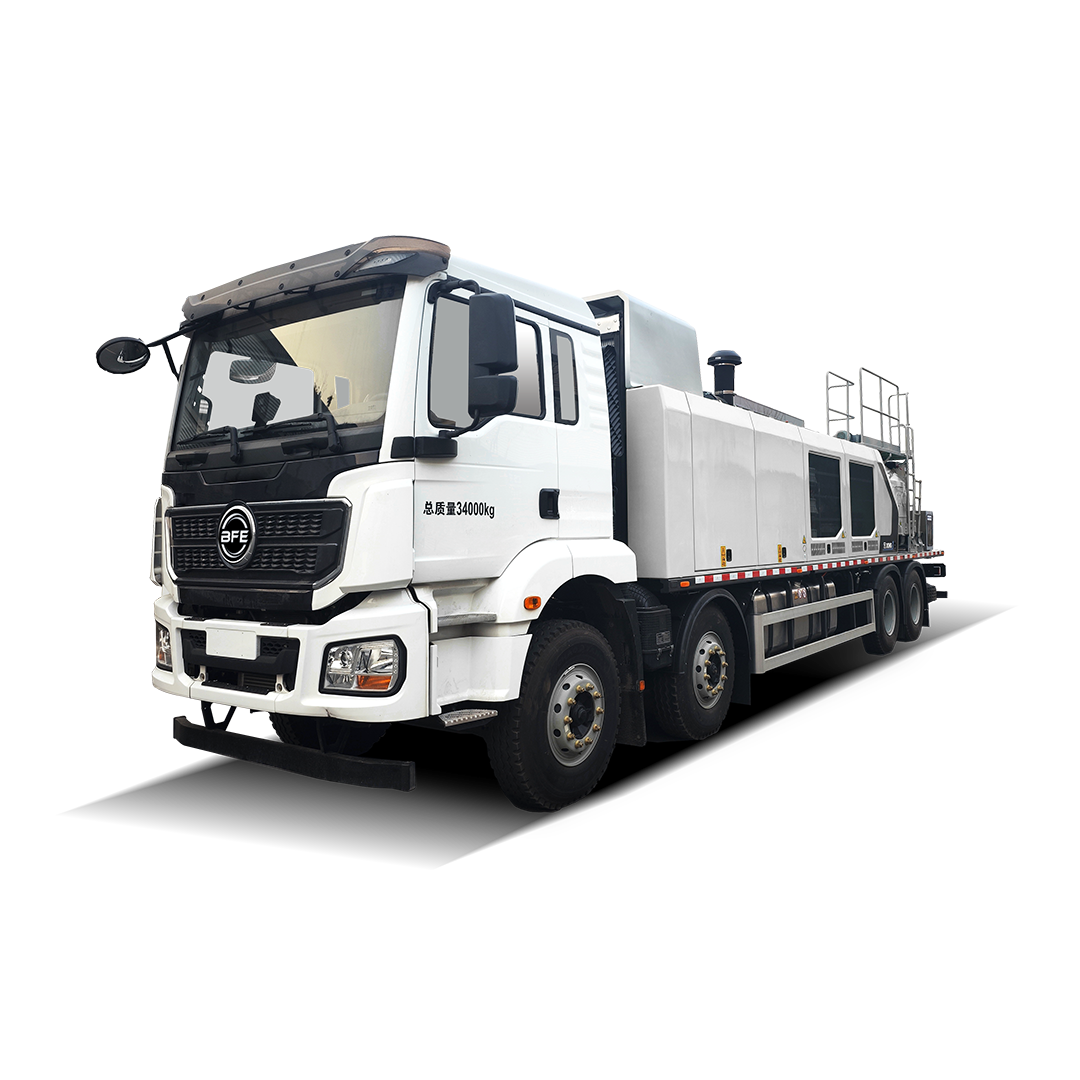
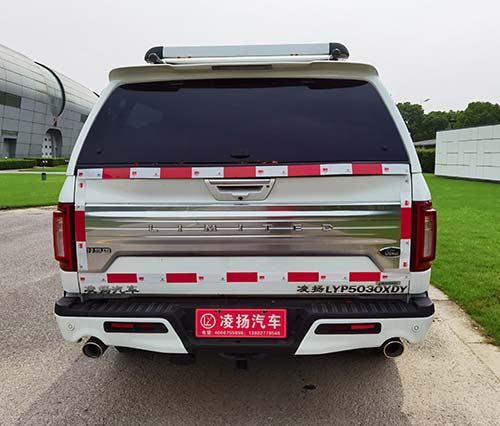
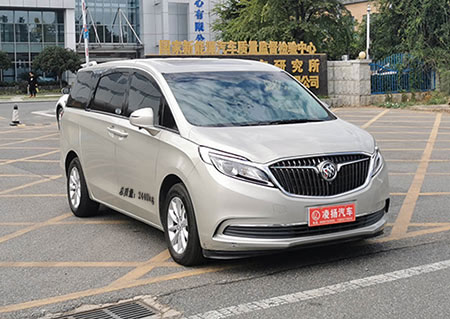
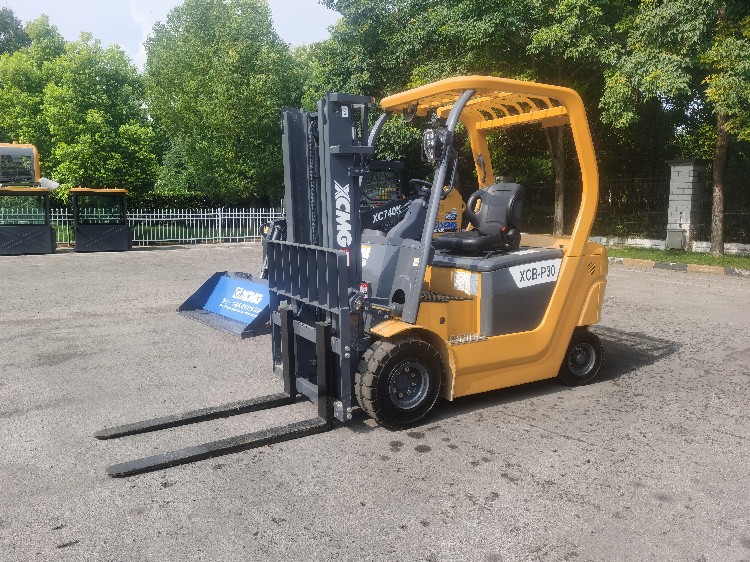
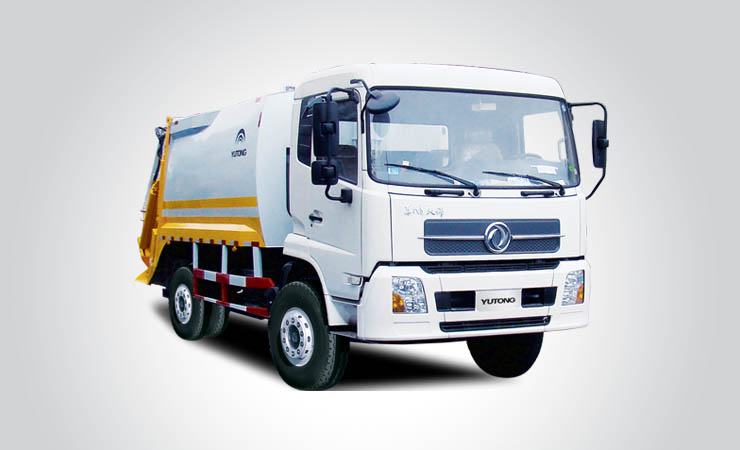
Other Trucks
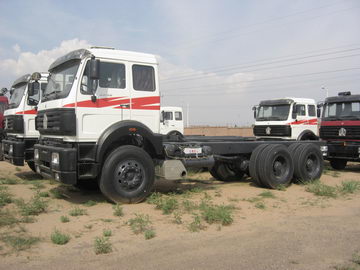
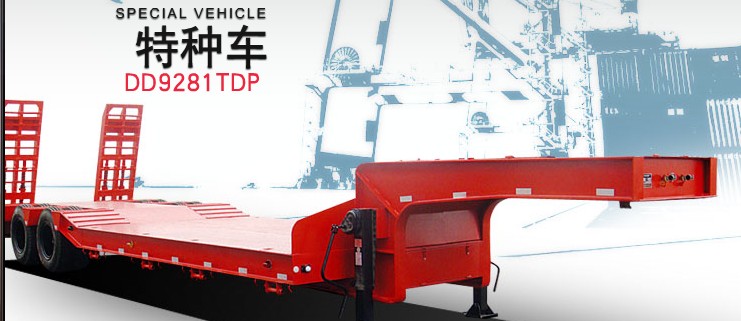
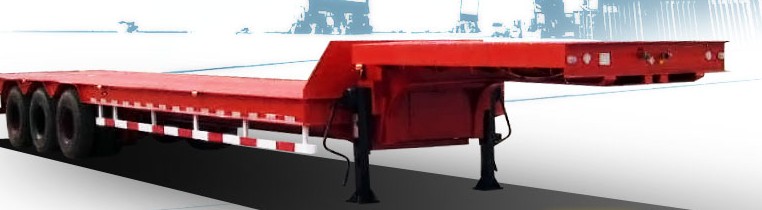
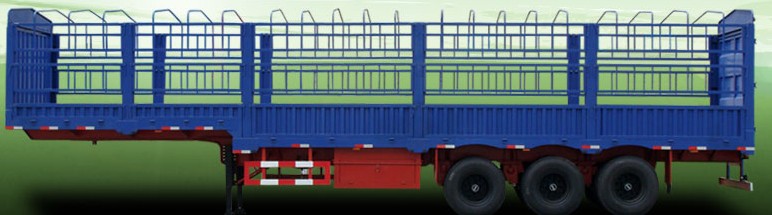
Source specialized and custom Other Trucks in bulk directly from vetted Chinese manufacturers and suppliers. Designed for importers, fleet distributors, and procurement managers, our wholesale network supports complex OEM modifications, custom chassis builds, and reliable high-volume production.
Sourcing specialized commercial vehicles that fall outside standard classifications requires precise engineering alignment between the base chassis and the custom upper body. Whether you are procuring specialized municipal vehicles, off-road utility trucks, or custom industrial transports, success depends on rigorous supplier vetting and strict adherence to mechanical and regulatory standards. Procuring these specialized vehicles from Asian manufacturers offers significant cost advantages, provided the integration of hydraulic, electrical, and mechanical systems is managed with strict technical oversight.
Chassis Selection and System Integration
The foundation of any specialized truck is the chassis. When sourcing non-standard trucks, the primary engineering challenge is ensuring the base vehicle can handle the dynamic loads and power requirements of the specialized equipment mounted to it. Buyers must specify exact requirements for the Gross Vehicle Weight Rating (GVWR), axle capacities, and frame yield strength.
Power Take-Off (PTO) integration is another critical failure point. If the specialized truck requires auxiliary power for hydraulic pumps, compressors, or generators, the transmission must be explicitly spec'd with the correct PTO provision (gear ratio, torque rating, and mounting orientation).
| Drive Configuration | Traction & Payload | Typical Specialized Use |
|---|---|---|
| 4x2 | Standard payload, primarily paved roads | Urban utility vehicles, light municipal trucks |
| 4x4 | Enhanced traction, moderate payload | Off-road maintenance, remote service vehicles |
| 6x4 / 6x6 | High payload, heavy-duty traction | Heavy industrial transport, mining support |
| 8x4 | Maximum payload, extended chassis length | Heavy recovery, specialized heavy-lift trucks |
Need help identifying manufacturers capable of complex chassis and PTO integration?
Talk to our teamManufacturing Standards and Fabrication Quality
The durability of a specialized truck is heavily dependent on the fabrication quality of the custom body and its attachment to the chassis. Substandard welding or poor corrosion resistance will drastically reduce the vehicle's operational lifespan.
When evaluating potential partners, look for facilities operating under IATF 16949 (automotive quality management) rather than just standard ISO 9001. Conducting thorough factory audits is essential to verify their in-house capabilities, particularly regarding metal treatment and automated welding.
Critical Fabrication Checkpoints
- Chassis frame modifications: Ensure no welding is performed on high-tensile frame flanges.
- Corrosion protection: Verify the use of electrophoresis (E-coat) primers or hot-dip galvanizing for custom bodies.
- Hydraulic routing: Check for proper hard-line securement and abrasion-resistant sheathing on flexible hoses.
- Electrical harness: Ensure IP67 or higher rated connectors are used for all exterior and auxiliary lighting.
Implementing strict quality control protocols during production—not just prior to shipment—allows you to catch structural or integration issues before the final assembly is completed.
Homologation and Export Compliance
Importing commercial vehicles requires navigating a maze of regulatory standards. A truck that is perfectly functional may be impounded at the destination port if it lacks the correct certifications. You must ensure the engine meets local emission standards (such as Euro V/VI or EPA equivalents) and that the vehicle as a whole complies with regional safety regulations (like ECE homologation in Europe or FMVSS/DOT in North America).
Do not assume a manufacturer holds the correct certifications just because they claim to export globally. Verifying these documents through professional compliance and testing channels is a mandatory step before authorizing any production run.
Sourcing Mechanics: MOQs, Lead Times, and Shipping
Specialized trucks are rarely off-the-shelf items. Because they involve custom fabrication and specific chassis orders from primary automotive brands (like Dongfeng, Sinotruk, or FAW), lead times are longer than standard consumer goods.
Shipping commercial vehicles also presents unique logistical challenges. Depending on the size and volume of your order, vehicles can be shipped via RoRo (Roll-on/Roll-off), flat rack containers, or standard high-cube containers if the dimensions allow. For larger fleet orders, buyers often import vehicles as SKD (Semi-Knocked Down) or CKD (Completely Knocked Down) kits to significantly reduce import duties and shipping volume, completing the final assembly locally. Coordinating this requires highly experienced shipping and freight management.
Managing cross-border vehicle logistics and compliance is complex. Let our experts streamline your supply chain.
Get a free consultationSuccessfully sourcing specialized trucks requires more than just negotiating a unit price; it demands rigorous engineering alignment, strict compliance verification, and proactive quality oversight on the factory floor. By treating the procurement process as a technical integration project, you can secure reliable, high-performance vehicles that meet your exact operational requirements.
Get Sourcing Help for Other Trucks
Tell us your requirements and our experts will connect you with verified manufacturers.