Other Truck Brake Systems
Source bulk Other Truck Brake Systems directly from vetted manufacturers and suppliers. Designed for importers, wholesalers, distributors, and brands seeking reliable OEM or aftermarket production. Secure high-quality auxiliary brake components with competitive wholesale pricing and strict quality control.
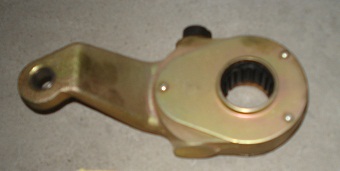
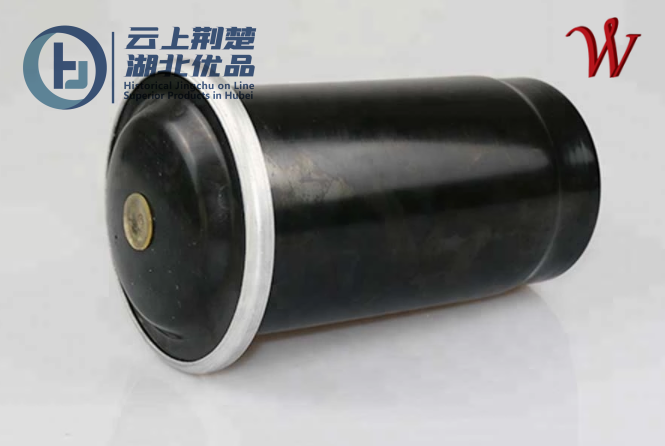
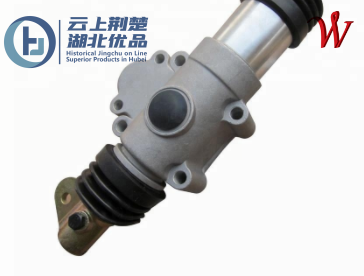
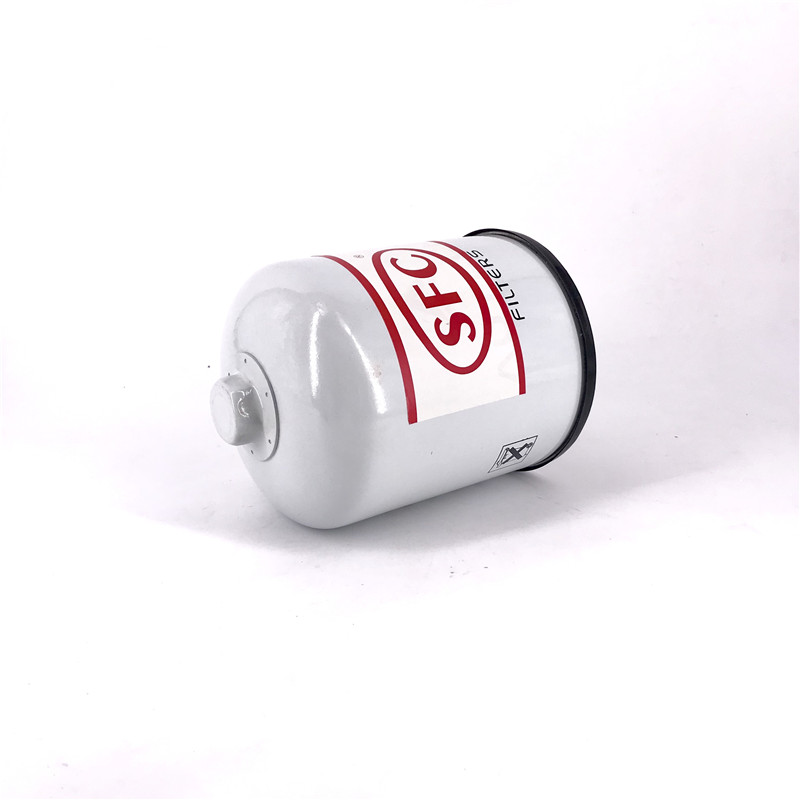
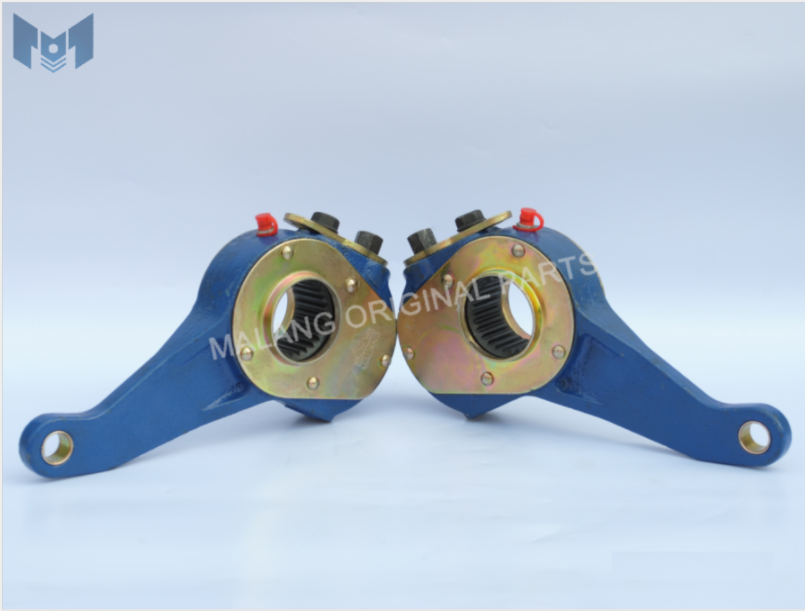
Sourcing miscellaneous and auxiliary truck brake components—spanning from air dryer assemblies and slack adjusters to specialized ABS sensors, pneumatic valves, and brake chambers—requires strict adherence to heavy-duty commercial vehicle safety standards. When importing these parts in volume, the primary challenge is ensuring consistent material integrity, precise CNC machining, and flawless assembly across high-volume production runs.
Critical Specifications for Auxiliary Brake Components
Whether you are sourcing aftermarket replacements or developing custom components for a proprietary system, clearly defining technical specifications is non-negotiable. Commercial truck pneumatic and hydraulic systems operate under extreme stress, and vague supplier instructions will lead to premature part failure.
Key Specifications to Define with Suppliers
- Operating and Burst Pressure: Specify maximum operating pressures (typically up to 150 psi for air systems) and required burst pressure margins.
- Material Grades: Dictate exact metallurgy, such as forged 45# steel for load-bearing adjusters or high-grade anodized aluminum for valve bodies.
- Thread Standards: Clearly define NPT, BSPT, or Metric threading based on the target regional market to prevent installation mismatch.
- Sealing Materials: Specify NBR, EPDM, or silicone for O-rings and diaphragms based on operating temperature ranges and fluid compatibility.
- Surface Treatment: Require specific anti-corrosion treatments, such as Dacromet coating, galvanization, or hard anodizing, complete with salt-spray test duration requirements.
Material Selection by Component Tier
The choice of raw materials directly impacts both the unit cost and the longevity of the component. Below is a typical breakdown of material grades used in standard aftermarket versus heavy-duty applications.
| Component Type | Standard Aftermarket | Heavy-Duty / OEM Grade |
|---|---|---|
| Slack Adjusters | Q235 Carbon Steel | Forged 45# Steel / Ductile Iron |
| Pneumatic Valve Bodies | Die-cast Zinc / Basic Aluminum | High-grade Aluminum with Hard Anodizing |
| Seals & Diaphragms | Standard NBR | Premium EPDM / High-Temp Silicone |
Don't risk safety recalls due to inconsistent machining or poor material quality. Let us connect you with vetted, automotive-grade manufacturers.
Talk to our teamManufacturing Processes and Quality Control
The reliability of truck brake systems is won or lost on the factory floor. Leading Chinese manufacturers of commercial brake parts rely on a combination of automated machining and rigorous end-of-line testing.
Raw Material Verification
Incoming steel, aluminum, and rubber batches must undergo spectrometer analysis to verify alloy composition and durometer testing for seals.
Precision Machining
Valve bodies and threaded components are processed via multi-axis CNC machines to ensure tight dimensional tolerances and flawless thread pitches.
Assembly in Clean Environments
Pneumatic and hydraulic components must be assembled in dust-controlled environments to prevent particulate contamination from compromising internal seals.
End-of-Line Pressure Testing
100 percent of completed valves, chambers, and fluid-bearing components must undergo automated pneumatic or hydraulic leak testing before packaging.
When evaluating potential partners, verifying their quality management systems is essential. Relying on factory audits ensures the supplier actively maintains IATF 16949 certification and actually implements these quality control steps on the production line, rather than just showing a certificate.
Compliance and Market Regulations
Heavy-duty brake components are heavily regulated. Depending on your market, components may need to comply with FMVSS 121 (North America) or ECE R90 (Europe). Furthermore, environmental regulations regarding surface coatings (like REACH and RoHS) apply to the anti-corrosion treatments used on metal parts. Navigating compliance and testing requirements early in the sourcing process prevents costly customs seizures or liability issues downstream.
Typical MOQs, Pricing, and Lead Times
Pricing for auxiliary brake systems fluctuates based on raw material costs (steel and aluminum), machining complexity, and order volume.
Tooling Ownership
If you are paying for custom molds or dies for proprietary parts, ensure your manufacturing agreement explicitly states that you own the tooling and can transfer it if supplier performance drops.
Need to negotiate better terms or consolidate shipments from multiple brake component suppliers? Our supply chain experts can help streamline your purchasing.
Get a free consultationFrequently Asked Questions
Sourcing commercial truck brake components requires balancing aggressive wholesale pricing with zero-compromise safety standards. By strictly defining your material specifications, enforcing end-of-line pressure testing, and partnering with verified IATF-certified factories, you can build a resilient and profitable supply chain.
Get Sourcing Help for Other Truck Brake Systems
Tell us your requirements and our experts will connect you with verified manufacturers.