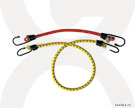
Other Tools
Source a comprehensive range of specialty and miscellaneous Other Tools from vetted suppliers and manufacturers. Designed for B2B importers, hardware distributors, and brands seeking reliable OEM and private-label production, our network delivers bulk manufacturing with strict quality control and competitive wholesale pricing.
When sourcing specialty, niche, or miscellaneous tools, the primary challenge lies in maintaining consistent material and machining standards across a high-mix, lower-volume catalog. Because these tools often serve specific, high-torque, or precision applications, buyers cannot afford variations in steel hardness or dimensional tolerances. Securing a reliable supply chain requires partnering with manufacturers who possess robust in-house metallurgy controls and versatile production lines capable of handling diverse tool profiles.
Material Specifications and Metallurgy
The core of any hand or specialty tool is its steel composition and the subsequent heat treatment. Specifying the correct material dictates the tool's lifespan, torque capacity, and resistance to deformation.
| Material Grade | Typical Application | Performance Characteristics |
|---|---|---|
| High Carbon Steel (45#) | Entry-level DIY tools, light-duty implements | Cost-effective, standard hardness (HRC 40-45), prone to dulling under heavy use. |
| Chrome Vanadium (CR-V) | Professional hand tools, wrenches, specialty grips | Excellent balance of strength and toughness, typical hardness HRC 42-50, high torque resistance. |
| S2 Tool Steel | Impact bits, precision drivers, high-stress components | Superior shock resistance and hardness (HRC 58-62), premium cost tier. |
Beyond the base metal, surface treatments are critical for corrosion resistance and aesthetic branding. Common finishes include chrome plating (matte, mirror, or satin), black oxide for industrial tools, and electrophoretic deposition (E-coating). Ensure your supplier specifies the salt spray test duration (typically 48 to 72 hours) to validate the plating quality.
Manufacturing Variances on the Factory Floor
Producing specialty tools involves multiple stages: drop forging or stamping, CNC machining for precision edges, heat treatment, and handle injection. The most common point of failure in secondary tool categories is inconsistent heat treatment. If a factory relies on outdated batch-quenching methods rather than continuous mesh-belt furnaces, you risk receiving mixed batches where some tools are brittle and others are too soft.
Struggling with inconsistent hardness or finish quality across your specialty tool SKUs? Let our engineering team match your requirements with verified, specialized tool manufacturers.
Discuss your tool specificationsWhen vetting a new supplier, it is highly recommended to utilize formal factory audits to inspect their induction hardening equipment and verify that they calibrate their Rockwell hardness testers regularly.
For tools requiring ergonomic grips, the overmolding process (typically TPR over a PP core) must be closely monitored. Poor temperature control during injection molding leads to grip peeling or off-gassing odors.
Quality Control for Specialty Tools
Because "Other Tools" encompasses a wide variety of shapes and functions, a standardized QC checklist must be adapted to the specific mechanical action of the tool.
Essential QC Checks for Specialty Tools
- Dimensional Tolerance: Verify critical dimensions using digital calipers against CAD specifications.
- Hardness Testing: Conduct Rockwell hardness (HRC) tests on the working edge and the body separately.
- Torque & Load Testing: Apply maximum rated torque to ensure no permanent deformation or snapping.
- Surface Finish Inspection: Check for plating blisters, uneven polishing, or rust spots in crevices.
- Grip Adhesion: Perform pull-tests on TPR/PP bi-material handles to ensure the overmold does not separate.
Implementing rigorous pre-shipment inspections is the only reliable way to catch plating defects or dimensional inaccuracies before the container is loaded.
MOQs, Lead Times, and Customization
Specialty tools often require custom molds for forging or handle injection, especially if you are developing proprietary designs. If you are utilizing OEM/ODM services for private labeling, expect tooling costs to be amortized over the first few orders.
Pricing is highly volatile based on global steel indices. When negotiating, always lock in the steel grade and weight per piece, as lower-tier suppliers may attempt to hollow out handles or switch to lighter, inferior steel grades to offset raw material price hikes.
Ready to consolidate your specialty tool purchasing? We help buyers negotiate better terms, manage tooling, and ensure stable pricing across complex hardware catalogs.
Get a sourcing assessmentFrequently Asked Questions
Sourcing miscellaneous and specialty tools requires the same rigorous material and metallurgical oversight as primary tool categories. By defining exact steel grades, mandating specific heat-treatment processes, and enforcing strict pre-shipment testing, buyers can build a highly profitable, defect-free tool catalog.
Get Sourcing Help for Other Tools
Tell us your requirements and our experts will connect you with verified manufacturers.