Other Textile Machines
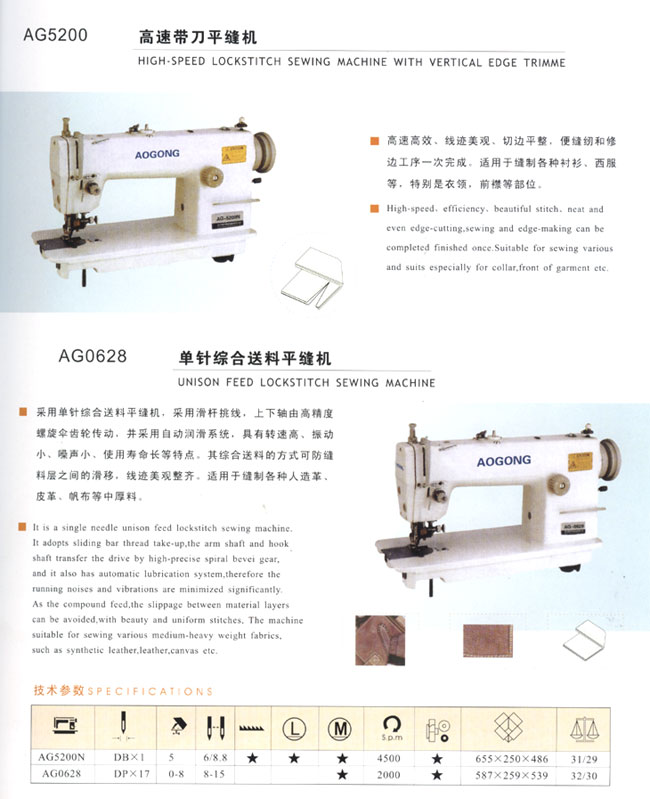
Source specialized and auxiliary Other Textile Machines directly from vetted manufacturers and suppliers in Asia. Designed for importers, distributors, and textile plant managers looking for wholesale pricing, OEM customization, and reliable bulk procurement of industrial textile equipment to integrate into existing production lines.
When expanding or upgrading a textile production line, auxiliary and specialized machinery—often categorized broadly as "other textile machines"—plays a critical role in minimizing bottlenecks. Because this equipment ranges from specialized winding and slitting units to fabric inspection and recycling systems, off-the-shelf purchasing is rarely an option. Success depends on aligning the equipment’s technical specifications with your existing infrastructure and ensuring the manufacturer can deliver consistent, industrial-grade reliability over multiple shifts.
Specifying Specialized Textile Equipment
The primary challenge in sourcing auxiliary textile machinery is integration. A machine that performs perfectly in isolation may cause line stoppages if its feed rates, tension controls, or software protocols do not match your primary spinning or weaving equipment.
When negotiating with manufacturers, you must dictate the internal components rather than just accepting the external housing. The lifespan of specialized textile machinery is dictated almost entirely by its drive systems and control electronics.
Critical Specification Parameters
- Electrical Standards: Specify exact voltage, phase (e.g., 3-phase 380V/50Hz or 220V/60Hz), and UL/CE compliance requirements for wiring.
- PLC and Interface Language: Mandate English (or your local language) for the HMI/PLC interface, not just the physical manuals.
- Motor and Drive Brands: Specify internationally recognized brands (e.g., Siemens, Delta, Yaskawa) for servo motors and inverters to ensure local serviceability.
- Pneumatic Components: Detail the required operating pressure and specify reliable cylinder brands (e.g., SMC, Festo) to prevent air leaks during continuous operation.
- Working Width and Tolerances: Define the maximum fabric width and acceptable tension/margin tolerances for your specific material types.
Manufacturing Quality and Component Verification
Many machinery suppliers in China operate as assemblers rather than end-to-end fabricators. They source cast iron frames, motors, and electronics from sub-suppliers and assemble the final unit. This supply chain structure means quality can vary wildly from batch to batch depending on where the factory sourced their components that month.
To protect your investment, you must verify the Bill of Materials (BOM) before production begins and conduct rigorous Quality Control & Inspection prior to shipment. A common tactic among lower-tier suppliers is to quote based on premium components but substitute them with domestic equivalents during assembly to increase their margin.
| System Component | Industrial Grade (Recommended) | Economy Grade (High Risk) |
|---|---|---|
| PLC & Controls | Siemens, Mitsubishi, Delta | Unbranded or cloned domestic boards |
| Servo Motors | Yaskawa, Panasonic | Refurbished or secondary-market motors |
| Frame Construction | Heavy-duty cast iron / thick gauge steel | Thin folded sheet metal (prone to vibration) |
| Bearings & Moving Parts | SKF, NSK, or equivalent high-carbon steel | Low-grade steel (rapid wear and heat generation) |
Ensure your machinery meets exact industrial specifications with on-site factory verification and component-level inspection.
Talk to our teamSourcing Hubs and Supplier Vetting
The majority of China's textile machinery manufacturing is concentrated in Jiangsu, Zhejiang, and Shandong provinces. While these regions offer immense manufacturing capability, they are also crowded with trading companies posing as direct manufacturers.
When sourcing complex machinery, dealing directly with the factory is non-negotiable. You need direct access to their engineering team for troubleshooting, custom modifications, and after-sales support. Conducting comprehensive Factory Audits is essential to verify their production capacity, engineering staff, and assembly capabilities before placing a deposit. Look for suppliers who have dedicated R&D departments and can demonstrate a history of exporting to your target market.
Buying Mechanics: Pricing, MOQs, and Lead Times
Unlike consumer goods, industrial machinery requires careful capacity planning and capital allocation. Pricing is highly elastic based on the components specified, the degree of customization, and raw material (steel) costs at the time of order.
Shipping heavy, irregularly shaped machinery introduces additional complexity. Depending on the dimensions, equipment may require specialized packing, flat-rack containers, or heavy-lift handling. Coordinating Shipping & Freight early in the procurement process ensures that the factory builds the equipment with transport dimensions and lifting points in mind.
Streamline your heavy machinery procurement, from factory floor negotiations to final facility delivery.
Get a free consultationFrequently Asked Questions
Sourcing specialized textile machinery is an exercise in risk management. The upfront cost of the equipment is only a fraction of its total cost of ownership; downtime, maintenance, and integration failures carry far greater financial penalties. By strictly defining component specifications, verifying factory capabilities, and conducting rigorous pre-shipment testing, you can secure reliable industrial assets that scale with your production needs.
Get Sourcing Help for Other Textile Machines
Tell us your requirements and our experts will connect you with verified manufacturers.