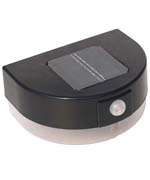
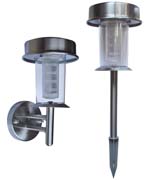
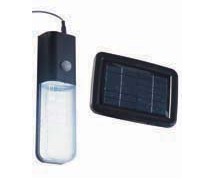
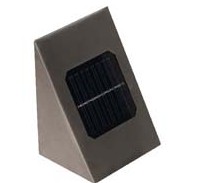
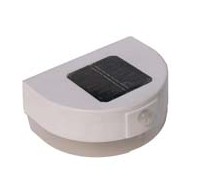
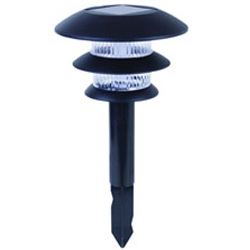
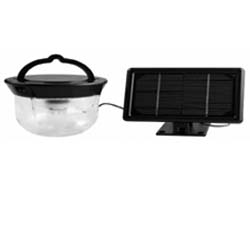
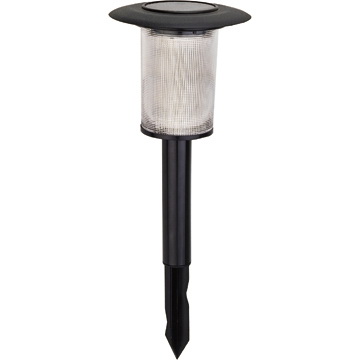
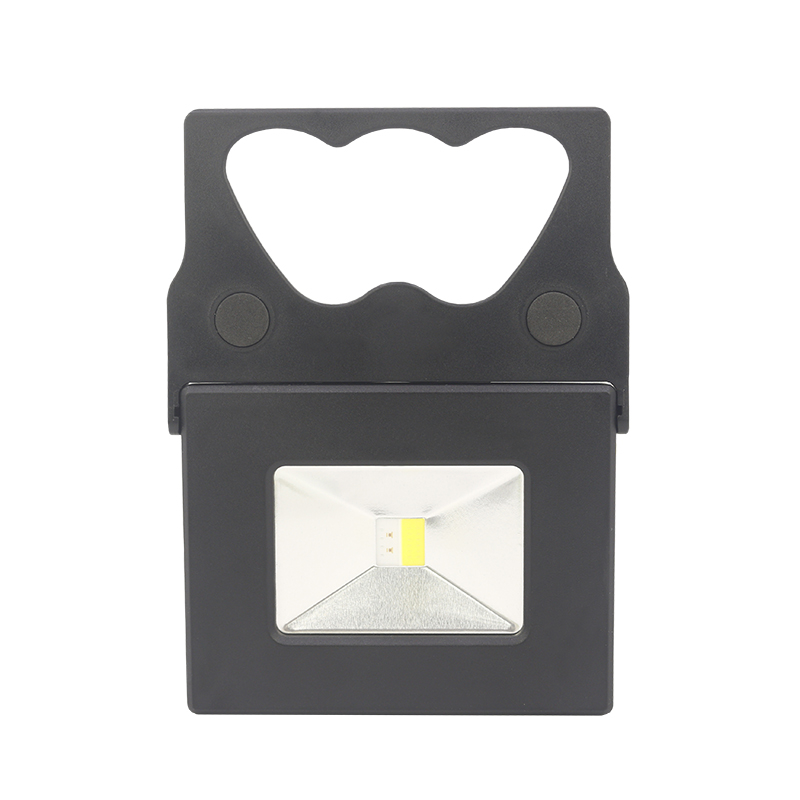
Other Solar Lights
Source specialty and niche Other Solar Lights from vetted manufacturers and suppliers. Designed for importers, wholesalers, distributors, and brands seeking reliable bulk purchasing or OEM/ODM production, our network delivers high-quality, compliant solar lighting solutions tailored to your exact market specifications.
Sourcing specialty solar lighting that falls outside standard street, flood, or garden categories presents a unique procurement challenge. Because these products often serve niche applications—ranging from specialized agricultural and marine lighting to novel architectural and portable work lights—there is no universal standard for their internal architecture. Buyers must define rigorous specifications for panel efficiency, battery chemistry, and controller logic to ensure the factory isn't simply packaging generic, low-tier components into a custom housing.
Critical Component Specifications
When evaluating manufacturers for non-standard solar lights, the bill of materials (BOM) is your primary battleground. Factories often compete on price by downgrading the three core components: the photovoltaic panel, the battery pack, and the charge controller.
- Solar Panels: Niche designs often restrict the surface area available for solar harvesting. You must specify panel type based on form factor. Monocrystalline panels offer higher efficiency (typically 19 to 22 percent) and are essential for compact designs. Polycrystalline panels are cheaper but require more surface area to achieve the same wattage. Ensure the panel is laminated with ETFE rather than PET; PET degrades and clouds under UV exposure in as little as 12 months, drastically reducing charging efficiency.
- Charge Controllers: For small-scale specialty lights, Pulse Width Modulation (PWM) controllers are standard. However, if your application requires high output or operates in low-light environments, specify Maximum Power Point Tracking (MPPT) controllers. MPPT can increase charging efficiency by up to 30 percent, though it adds cost and requires more physical space on the PCB.
| Battery Chemistry | Typical Cycle Life | Temperature Tolerance | Application Profile |
|---|---|---|---|
| LiFePO4 (Lithium Iron Phosphate) | 2000 to 3000+ | Excellent (handles high heat well) | Commercial, high-reliability, long lifespan |
| Li-ion (e.g., 18650/21700) | 500 to 1000 | Moderate (degrades in extreme heat) | Portable, compact, consumer-grade |
| NiMH (Nickel-Metal Hydride) | 300 to 500 | Poor to Moderate | Low-cost, low-power novelty lights |
Struggling to standardize specs across different specialty solar factories? Let our sourcing engineers review your BOM and identify reliable manufacturing partners.
Talk to our teamManufacturing Tolerances and Quality Control
The physical housing of specialty solar lights is highly susceptible to environmental failure if not engineered correctly. Because these products often feature unique shapes or moving parts, achieving consistent waterproofing is difficult.
Look for housings made from UV-stabilized Polycarbonate (PC) or die-cast aluminum. Standard ABS plastic will become brittle and yellow quickly when exposed to continuous sunlight.
Common Assembly Defects to Monitor
- Poor Sealing: Inadequate silicone gaskets or uneven ultrasonic welding leading to moisture ingress. A minimum rating of IP65 is required for outdoor use, but IP67 is recommended for marine or heavy-industrial applications.
- Cold Solder Joints: Vibration during shipping or use can break weak solder points connecting the battery to the PCB.
- Uncalibrated Sensors: PIR (passive infrared) or microwave motion sensors that trigger too late or drain the battery via hyper-sensitivity.
Implementing rigorous Quality Control & Inspection protocols—specifically pre-shipment inspections that include water immersion testing and battery capacity verification—is non-negotiable for non-standard solar products.
Verify Supplier Capabilities
Ensure your chosen factory has the specialized testing equipment and clean-room assembly lines required for high-grade solar lighting before you place a deposit.
Production Realities: Pricing, MOQs, and Lead Times
Because "Other Solar Lights" encompasses a broad spectrum of products, pricing and minimum order quantities (MOQs) vary significantly based on whether you are buying off-the-shelf designs or commissioning custom tooling.
If you are developing a proprietary design, tooling costs for plastic injection molds can range from $2,000 to over $10,000 depending on complexity. Engaging a partner for OEM/ODM Services can help you navigate the prototyping phase, ensuring the design is optimized for manufacturing (DFM) to prevent costly mold modifications later.
Furthermore, ensure your supplier can provide the necessary documentation for your target market. Batteries require UN38.3 certification for safe freight handling, while the lights themselves may require CE, RoHS, or FCC marks. If the factory cannot produce verifiable test reports, you will need to arrange independent Compliance & Testing.
Planning a custom solar lighting project? We manage the entire process from mold development to final compliance testing.
Get a free consultationFrequently Asked Questions
Successfully sourcing specialty solar lights requires looking past the external design to scrutinize the underlying photovoltaic and battery technology. By enforcing strict BOM requirements and verifying assembly standards on the factory floor, you can secure reliable products that perform consistently in their intended environments.
Get Sourcing Help for Other Solar Lights
Tell us your requirements and our experts will connect you with verified manufacturers.