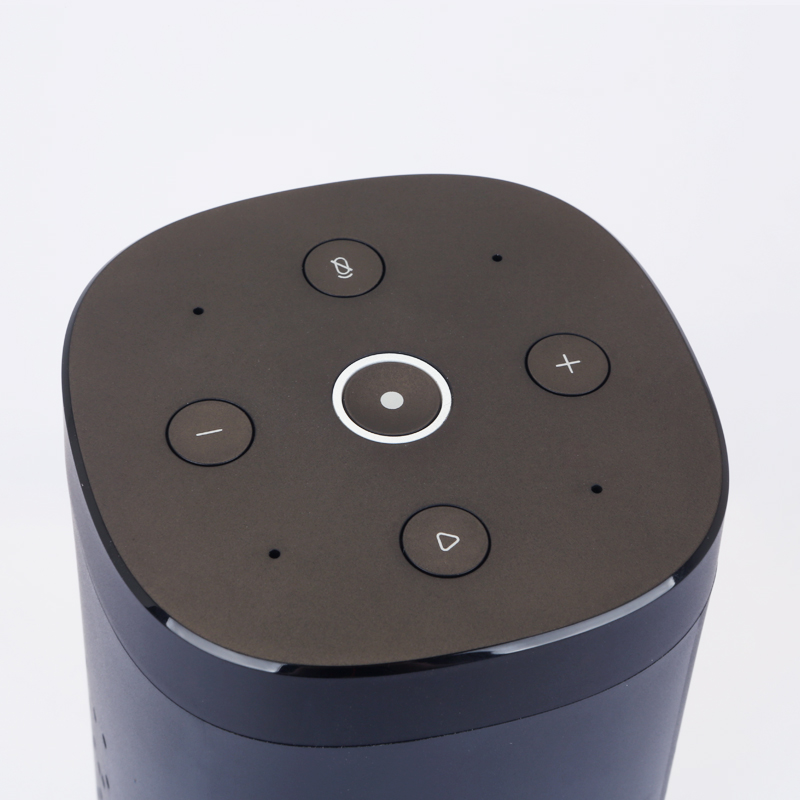
Other Smart Products
Source Other Smart Products from vetted suppliers and manufacturers. Designed for importers, wholesalers, and brands seeking reliable OEM and private-label production, our network provides access to emerging smart electronics in bulk. Partner with us for competitive wholesale pricing and strict quality assurance.
Sourcing niche and emerging smart electronics requires navigating a highly fragmented supply chain. Unlike mature, standardized product categories, "other smart products"—spanning novel IoT devices, specialized sensors, and emerging consumer tech—often involve unproven hardware-firmware integrations and varying levels of factory expertise. The primary challenge isn't just locating a supplier; it is finding a manufacturing partner capable of executing stable wireless connectivity, reliable battery management, and seamless app integration at scale.
Hardware Specifications and Wireless Connectivity
When evaluating a factory's capabilities for smart electronics, the Bill of Materials (BOM) is your primary focus. The choice of chipset (e.g., Espressif, Realtek, Nordic Semiconductor) dictates not only the hardware cost but also the long-term stability of the device's firmware.
Buyers must specify the exact wireless protocols required for their target market, as this impacts power consumption, range, and certification requirements.
| Protocol | Ideal Application | Power Consumption | Typical Range |
|---|---|---|---|
| Wi-Fi (2.4GHz) | High-bandwidth data, direct cloud access | High | Up to 50m indoors |
| BLE (Bluetooth Low Energy) | Wearables, proximity sensors, app pairing | Very Low | 10 to 30m |
| Zigbee / Z-Wave | Mesh networks, smart home ecosystems | Low | 10 to 20m per node |
Navigating firmware stability and hardware integration for custom smart products? We can help you vet factories with proven engineering capabilities.
Talk to our teamApp Ecosystems and OEM/ODM Customization
For bulk buyers and brands, the software ecosystem is as critical as the physical hardware. Many manufacturers of niche smart products rely on third-party, white-label IoT platforms (such as Tuya or Smart Life) to provide out-of-the-box app functionality.
If you are pursuing OEM/ODM Services to develop a proprietary ecosystem, you must verify the factory's in-house software engineering team or their willingness to provide open APIs and SDKs for your own developers. Migrating a white-label product to a custom app requires significant firmware modification and rigorous testing to ensure OTA (Over-The-Air) updates function correctly.
Manufacturing Quality Control in Smart Electronics
Defects in smart products rarely stem from the plastic casing; they originate on the PCBA (Printed Circuit Board Assembly) line or during firmware flashing. Because these products often feature compact form factors, thermal management and battery safety are paramount.
Implementing stringent Quality Control & Inspection protocols at the factory level is non-negotiable.
Critical Factory-Level QC Checks for Smart Products
- Automated Optical Inspection (AOI) for PCBA solder joint integrity
- Firmware flashing and initial boot-up verification
- Wireless signal strength and pairing latency tests in RF shielded boxes
- Battery charge/discharge cycle testing and thermal monitoring
- Burn-in testing to identify premature component failure under load
Compliance and Regulatory Testing
Smart electronics are heavily regulated due to their wireless transmission capabilities and reliance on lithium-ion batteries. Importing these products without the correct documentation will result in customs seizures or marketplace delistings.
Mandatory Certifications
Ensure your supplier can provide valid, verifiable test reports for FCC Part 15 (US), CE RED (Europe), and RoHS. Any device containing a lithium battery must also have UN38.3 and MSDS documentation for safe air and sea freight.
Navigating these requirements often necessitates professional Compliance & Testing services to verify that the factory's claims match the physical product being shipped.
Typical MOQs, Pricing, and Lead Times
Because "other smart products" encompass a wide variety of devices, pricing and production terms vary significantly based on the complexity of the PCBA and the level of customization required.
Need to negotiate better MOQs or optimize your bill of materials for a new smart product? Speak with our sourcing experts.
Get a free consultationFrequently Asked Questions
Successfully sourcing emerging smart electronics requires moving beyond basic supplier directories. By focusing on chipset stability, firmware ownership, and rigorous in-line quality control, professional buyers can mitigate the high defect risks inherent in novel tech products.
Get Sourcing Help for Other Smart Products
Tell us your requirements and our experts will connect you with verified manufacturers.