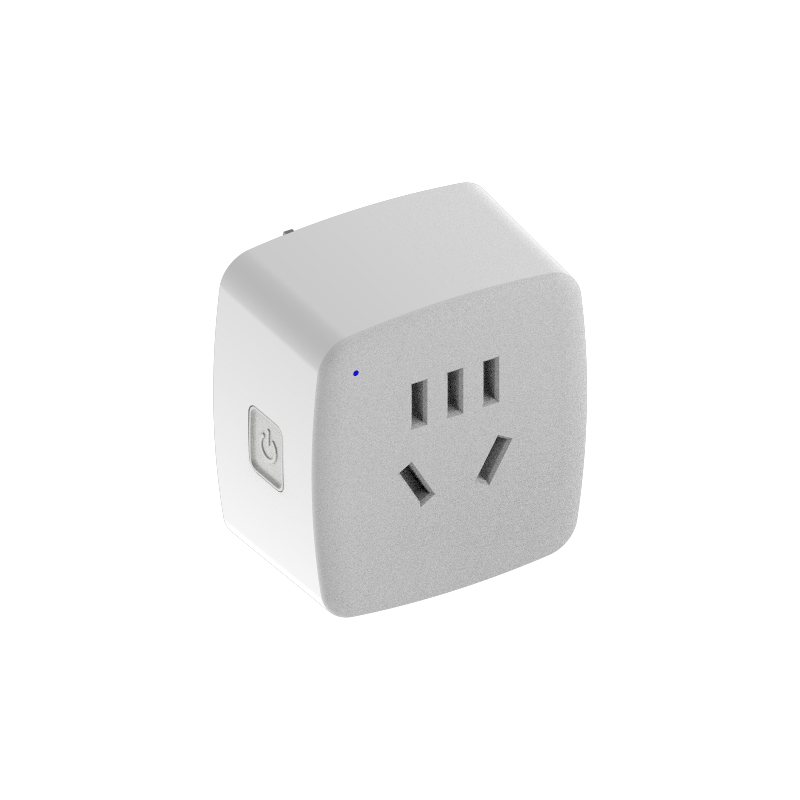
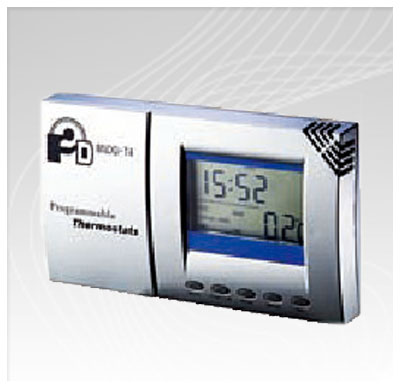
Other Smart Home Appliances
Source bulk Other Smart Home Appliances from vetted manufacturers and suppliers. Designed for importers, distributors, and brands looking for reliable OEM and private-label production, our network connects you with specialized factories producing high-quality IoT devices with stable connectivity and strict compliance.
Sourcing niche or emerging smart home appliances requires more than just evaluating a physical product; it demands a deep understanding of IoT ecosystems, wireless protocols, and firmware stability. When dealing with specialized smart devices—whether they are environmental monitors, automated pet care systems, or smart diffusers—the primary sourcing challenge lies in bridging the gap between reliable hardware manufacturing and seamless software integration. A factory that excels at plastic injection molding may outsource its PCB design and app development to third parties, leading to connectivity drops and poor user experiences if not properly managed.
Core Connectivity and IoT Module Specifications
The brain of any smart home appliance is its communication module. When evaluating a manufacturer's technical capability, you must drill down into the specific chips and protocols they use. Generic, unbranded Wi-Fi modules often suffer from high latency and poor router compatibility.
Require your suppliers to specify the exact chipset (such as Espressif ESP32 or ESP8266 for Wi-Fi/Bluetooth, or Silicon Labs for Zigbee). Furthermore, determine how the device integrates with the end-user's ecosystem.
| Integration Approach | White-Label Ecosystem (e.g., Tuya) | Custom App Development |
|---|---|---|
| Time to Market | Fast (1 to 4 weeks) | Slow (3 to 8 months) |
| Development Cost | Low to zero upfront | High upfront investment |
| Server Infrastructure | Managed by ecosystem provider | Self-hosted or AWS/GCP managed |
| Brand Control | Limited to basic UI reskinning | Complete control over UX and data |
If you are customizing the firmware or physical design, working with a factory that offers dedicated OEM/ODM Services is critical to ensure the hardware and software engineering teams are aligned.
Struggling to find a manufacturer with reliable firmware and app integration capabilities? Let us match you with vetted IoT specialists.
Talk to our teamManufacturing Tolerances and Quality Control
Smart appliances introduce complex assembly requirements. The integration of sensitive sensors (humidity, motion, VOC) alongside heat-generating components (like power supplies or motors) requires careful internal layout to prevent false readings or thermal throttling.
During production, quality control cannot rely on visual inspection alone. Functional testing on the assembly line is where most defects are caught. Rigorous Quality Control & Inspection must include automated testing of the device's pairing mode, sensor calibration, and power draw.
Essential IoT Factory QC Checks
- PCBA in-circuit testing (ICT) to verify component placement and soldering.
- RF shielding and antenna placement verification to prevent signal degradation.
- Over-the-Air (OTA) update testing to ensure devices can receive future firmware patches without bricking.
- Aging tests (burn-in) under maximum load to identify premature component failure.
- Sensor calibration checks in controlled environmental chambers.
Regulatory Compliance and Certification
Smart home devices transmit radio frequencies, which places them under strict regulatory scrutiny. A common pitfall is importing devices where the manufacturer claims certification, but the test reports only cover the generic Wi-Fi module, not the fully assembled appliance.
For the US market, FCC Part 15 compliance is mandatory. For Europe, the Radio Equipment Directive (CE-RED) applies. Depending on the product's function, it may also require UL or ETL certification for electrical safety, and RoHS compliance for materials. Navigating these requirements often requires third-party Compliance & Testing to verify the factory's documentation and ensure your shipments will not be seized at customs.
MOQs, Lead Times, and Pricing Dynamics
Pricing for niche smart home appliances is heavily influenced by the cost of the IoT module, the complexity of the sensors, and the battery technology (if applicable).
- Minimum Order Quantities (MOQs): Standard off-the-shelf designs utilizing a shared app ecosystem typically require MOQs between 500 and 1,000 units. If you require custom firmware, unique tooling, or a proprietary PCB layout, expect MOQs to start at 3,000 to 5,000 units to offset the factory's engineering time.
- Lead Times: For existing designs with minor private labeling, production takes 30 to 45 days. Custom OEM projects, factoring in tooling, PCB prototyping, and app integration, generally require 90 to 120 days before mass production can begin.
Need to negotiate better terms or verify factory certifications? Our sourcing experts can manage the entire process.
Get a free consultationFrequently Asked Questions
Successfully sourcing specialized smart home appliances requires treating the software and hardware as equally important. By verifying module specifications, enforcing strict functional QC, and ensuring comprehensive RF compliance, you can build a reliable product line that avoids the high return rates common in poorly integrated IoT devices.
Get Sourcing Help for Other Smart Home Appliances
Tell us your requirements and our experts will connect you with verified manufacturers.