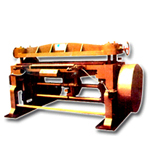
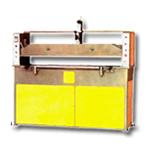
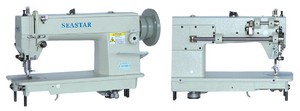
Other Shoemaking Machines
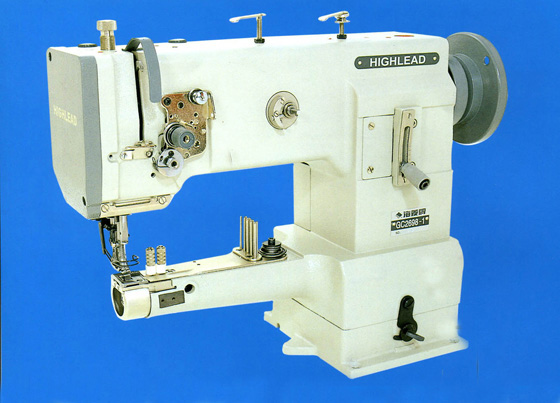
Source wholesale Other Shoemaking Machines directly from vetted manufacturers and suppliers. Designed for importers, distributors, and footwear brands requiring reliable auxiliary equipment for OEM and private-label production lines. Explore bulk pricing on high-performance skiving, folding, and finishing machinery.
When optimizing a footwear production line, auxiliary and specialized shoemaking machines—ranging from skiving and edge folding units to heel nailing and sole pressing equipment—are critical for eliminating bottlenecks. Sourcing these specialized units in bulk requires strict attention to pneumatic stability, motor durability, and integration compatibility. Procuring reliable machinery ensures your production line maintains continuous uptime without sacrificing precision.
Core Specifications and Performance Metrics
Machinery in this auxiliary category varies wildly in function, but the core performance indicators that dictate industrial reliability remain consistent across the board. When evaluating suppliers, you must look past the external casing and scrutinize the internal components.
- Pneumatic Systems: Many auxiliary machines, such as pressing and attaching units, rely heavily on compressed air. Look for systems rated for stable operating pressures between 0.4 and 0.6 MPa. High-quality pneumatic cylinders and valves are essential to prevent pressure drops during continuous operation.
- Motor and Drive Systems: The choice of motor directly impacts both precision and energy consumption. Servo motors are increasingly the standard for modern machinery due to their responsiveness and efficiency.
- Heating Elements: For machines involving thermal activation (like toe puff attaching or hot melt applications), precise digital PID temperature controllers are mandatory to prevent material scorching.
| Motor Type | Precision Control | Energy Efficiency | Best Application |
|---|---|---|---|
| Standard Clutch Motor | Basic | Moderate | Heavy roughing and basic polishing |
| Direct-Drive Servo | High | Excellent | Skiving, edge folding, and precision stitching |
| Stepper Motor | Very High | Good | Automated feeding and cutting mechanisms |
Component Quality and Supplier Vulnerabilities
A common sourcing pitfall in the industrial machinery sector is the use of substandard or reconditioned internal components. While the machine may look pristine on the outside, factories competing purely on price often cut corners where it is hardest to see.
Key areas where quality is won or lost include:
- Electrical Relays and Contactors: Cheap electrical components are prone to burning out under heavy loads, leading to sudden machine failure. Look for internationally recognized brands for all switchgear.
- Machined Tooling Heads: The tolerances on skiving blades, pressing molds, and folding guides must be exact. Poor metallurgy here leads to rapid wear and frequent replacement.
- Frame Rigidity: Cast iron or heavy-gauge steel frames are necessary to absorb vibration. Excessive vibration degrades the lifespan of sensitive electronic components.
This is where rigorous Factory Audits become indispensable. Verifying that a manufacturer machines their own core components—or sources them from reputable tier-one suppliers—protects you from buying equipment built with refurbished motors or cheap pneumatic knock-offs.
Need to verify a machinery supplier's production standards? We conduct on-site audits to ensure you receive industrial-grade equipment built to last.
Talk to our teamInspection and Quality Control
Before shipping heavy machinery, rigorous functional testing is mandatory. Relying solely on a final visual inspection is insufficient for complex electromechanical equipment.
Pre-Shipment Machinery Inspection Checklist
- Continuous run testing (minimum 4 hours) to monitor motor temperature and vibration.
- Pneumatic pressure retention tests to identify micro-leaks in valves and hoses.
- Electrical safety checks, including grounding verification and emergency stop functionality.
- Verification of CE, UL, or CSA compliance documentation for your target market.
- Inspection of the inclusion and packaging of all requested spare parts and manuals.
Executing thorough Quality Control & Inspection prior to container loading prevents costly downtime and complex international warranty disputes upon arrival.
Sourcing Mechanics: MOQs, Pricing, and Logistics
The purchasing mechanics for auxiliary shoemaking machinery differ significantly from consumer goods. While MOQs are generally low, the logistics require careful planning.
Freight forwarding for heavy machinery requires specialized handling. Machinery must be properly greased, vacuum-sealed to prevent maritime corrosion, and secured in fumigated wooden crates. Furthermore, container weight distribution is critical. Coordinating Shipping & Freight with a partner experienced in industrial equipment ensures your shipment clears customs and arrives at your facility undamaged.
Managing complex machinery shipments and customs clearance? Let us streamline your industrial supply chain from the factory floor to your facility.
Get a free consultationProcuring specialized shoemaking machinery is about balancing upfront capital expenditure with long-term reliability. By focusing on internal component origin, mandating rigorous functional testing, and ensuring precise specification alignment, you secure equipment that seamlessly integrates into and elevates your existing production lines.
Get Sourcing Help for Other Shoemaking Machines
Tell us your requirements and our experts will connect you with verified manufacturers.