Other Resistors
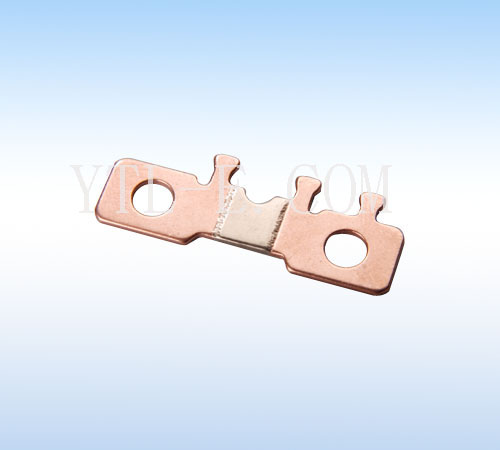
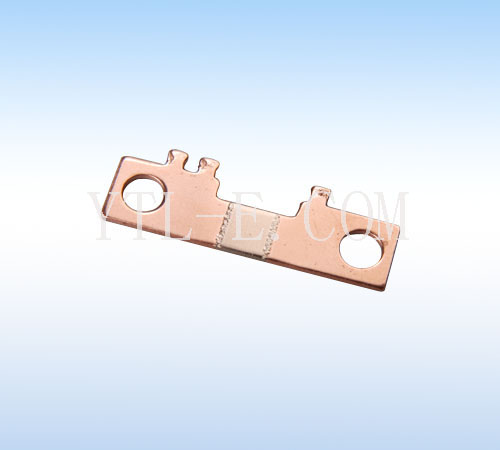
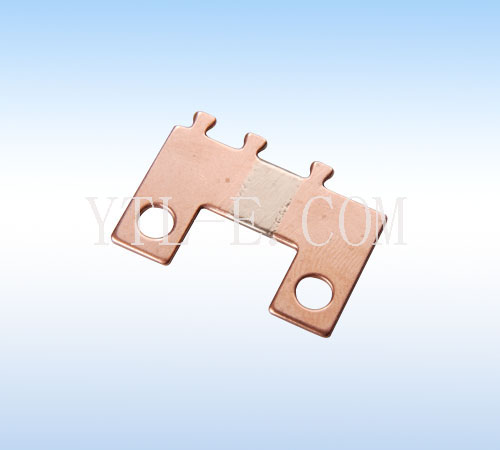
Source specialized and custom Other Resistors in bulk from vetted manufacturers and suppliers. Designed for electronics distributors, procurement managers, and OEM brands requiring non-standard passive components, our network provides competitive wholesale pricing, reliable production, and strict quality assurance for high-volume orders.
Sourcing non-standard or specialized resistors requires a fundamentally different approach than buying standard jellybean passives. When your BOM calls for specialized shunt, high-voltage, precision, or hybrid resistive components, the margin for error shrinks. You are no longer just buying a resistance value; you are specifying temperature coefficients, pulse-handling capabilities, and long-term stability under stress. Finding a factory capable of maintaining tight tolerances across millions of units requires rigorous vetting of their materials, deposition processes, and trimming equipment.
Critical Specifications for Specialized Resistors
When standard thick-film or thin-film SMDs cannot meet your application's demands, custom or specialized resistors fill the gap. Buyers must clearly define performance parameters beyond simple ohmic value and wattage.
- Temperature Coefficient of Resistance (TCR): For precision applications, TCR is critical. While standard parts might drift by 100 ppm/°C, specialized precision resistors often require TCRs under 10 ppm/°C. Ensure the supplier uses high-grade alloy elements (like nickel-chromium or specialized foil) rather than standard ruthenium oxide pastes.
- Pulse Load Capability: Specialized applications often involve high inrush currents. The resistor must withstand short-duration energy pulses without degrading. This requires specific substrate materials (like aluminum nitride for better thermal conductivity) and optimized trimming patterns to avoid localized hot spots.
- Long-Term Stability (Load Life): Define acceptable drift over 1,000 or 2,000 hours at maximum rated temperature and voltage.
Need to match a highly specific resistor profile? Talk to our engineering sourcing team.
Discuss your component specsManufacturing Tolerances and Quality Control
The reliability of a specialized resistor is determined on the factory floor. Minor variations in the manufacturing process lead to catastrophic failures in the field, particularly in automotive, industrial, or telecom applications.
Substrate Preparation
The purity of the alumina or aluminum nitride substrate dictates thermal dissipation. Impurities cause micro-cracking under thermal cycling.
Material Deposition
Whether sputtering thin films or screen-printing thick films, the consistency of the resistive layer determines the baseline tolerance before trimming.
Laser Trimming
Precision resistors require L-cut or serpentine laser trimming to reach exact ohmic values. Poorly calibrated lasers create micro-fissures, leading to premature failure under load.
Encapsulation & Curing
The protective coating (epoxy or glass passivation) must cure evenly to prevent moisture ingress and mechanical stress on the resistive element.
Validating these processes requires more than a sample check. It requires comprehensive Factory Audits to verify that the manufacturer maintains calibrated laser trimmers, cleanroom environments for deposition, and automated optical inspection (AOI) systems inline.
Thermal Derating Failures
A common defect in poorly manufactured specialized resistors is a failure to meet the stated thermal derating curve. The component may survive at 70°C, but fail rapidly as temperatures approach 125°C due to inferior substrate thermal conductivity. Always require thermal shock test data.
Wholesale Pricing, Lead Times, and MOQs
Because "Other Resistors" often include non-standard values, custom form factors, or extreme tolerances, off-the-shelf availability is rare for bulk buyers. Production is typically scheduled on a build-to-order basis.
Pricing is highly elastic and depends primarily on material costs (e.g., specialized metal foils vs. standard pastes), the required TCR, and the level of testing required (such as burn-in testing or automotive AEC-Q200 qualification). Consolidating your passive component purchasing through structured Product Sourcing can help leverage volume across multiple component families to negotiate better terms on these specialized lines.
Struggling with long lead times on specialized passives? Let us map out alternative qualified suppliers.
Get a sourcing assessmentFrequently Asked Questions
Sourcing specialized resistors is an exercise in risk management. Success depends on aligning your strict technical requirements with a factory's specific production capabilities, and verifying those capabilities before the first purchase order is cut.
Get Sourcing Help for Other Resistors
Tell us your requirements and our experts will connect you with verified manufacturers.