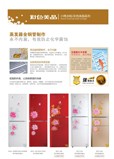
Other Refrigerators
Source specialty and other refrigerators in bulk directly from vetted manufacturers and suppliers. Designed for importers, wholesalers, and brands looking for OEM/ODM production, this category covers custom and niche cooling solutions. Ensure strict quality control and compliance for your next high-volume import.
Sourcing specialty refrigeration units—whether for cosmetic storage, automotive integration, medical transport, or niche beverage dispensing—requires navigating a highly fragmented manufacturing landscape. Unlike standard residential refrigerators, these specialty units often demand customized form factors, dual AC/DC power boards, or ultra-precise temperature control. Success in this category relies on matching your specific performance requirements with a factory that possesses the right tooling and technical expertise.
Core Cooling Technologies and Specifications
The foundation of any specialty refrigerator is its cooling mechanism. Manufacturers typically specialize in either vapor-compression or thermoelectric (Peltier) systems, and rarely excel at both. Selecting the right technology dictates your supplier shortlist, bill of materials (BOM), and unit economics.
| Technology | Cooling Capacity | Energy Efficiency | Typical Application |
|---|---|---|---|
| Vapor-Compression | High (rapid pull-down) | High (with inverter) | Medical, RV, Kegerators |
| Thermoelectric (Peltier) | Low to Medium | Lower (continuous draw) | Cosmetics, Desktop, Small Wine |
| Absorption | Medium | Low | Hotel Minibars, Off-Grid |
When specifying vapor-compression units, the choice of refrigerant is critical. Global environmental regulations are rapidly phasing out high-GWP (Global Warming Potential) refrigerants. Specify R600a (Isobutane) or R290 (Propane) for most modern applications, ensuring the factory has the specialized, spark-proof charging equipment required for these flammable, eco-friendly gases.
Navigating specialized refrigeration manufacturing requires strict oversight. Let us handle the factory vetting and technical validation for your next project.
Talk to our teamManufacturing Quality and Defect Prevention
Refrigeration manufacturing is unforgiving; a minor process failure can lead to total product failure in the field. Quality is primarily won or lost in three areas: coil integrity, electrical safety, and cabinet insulation.
The insulation process, typically utilizing cyclopentane foaming, requires precise temperature control and jigging. If the foam does not cure uniformly, the cabinet will suffer from thermal bridging, leading to external condensation (sweating) and excessive energy consumption.
Critical Factory-Level Inspections
- Halogen sniffer testing for micro-leaks in the evaporator and condenser coils prior to final assembly.
- High-pot (dielectric withstand) testing to verify electrical safety and ground continuity.
- Temperature pull-down and recovery testing in climate-controlled ambient chambers.
- Uniformity checks on cyclopentane foam injection to prevent cabinet warping or thermal voids.
Implementing rigorous Quality Control & Inspection protocols at the factory level, specifically during the refrigerant charging and final run-in testing phases, is essential to keep defect rates under acceptable thresholds (typically less than 1.5 percent for specialty units).
Compliance and Market Access
Refrigerators are heavily regulated appliances. Importing non-compliant units can result in customs seizures or costly recalls. You must verify that the factory holds valid, verifiable test reports for your target market.
For North America, UL or ETL certification is mandatory for electrical safety, alongside DOE (Department of Energy) compliance for energy consumption. If the units are marketed for specific uses, such as storing cosmetics or medical supplies, additional FDA guidelines may apply to the food-grade or medical-grade plastics used in the interior liners. Leveraging expert Compliance & Testing services ensures your product meets all regional statutory requirements before mass production begins.
Pricing, MOQs, and Lead Times
Tooling and component costs heavily influence the minimum order quantities (MOQs) and pricing in this category. Thermoelectric units, which rely on simpler solid-state components and injection-molded plastic housings, typically require higher MOQs to absorb the manufacturing setup costs. Conversely, high-value compressor-based units can often be sourced in smaller batches.
If you are developing a completely custom unit, expect a tooling phase of 45 to 60 days before the first off-tool samples are available. Engaging a partner for OEM/ODM Services can streamline the industrial design and mold-making process, ensuring the final product is both manufacturable and cost-effective.
Planning a custom refrigeration project? Get accurate pricing, tooling estimates, and lead times from vetted appliance manufacturers.
Get a free consultationSuccessfully sourcing specialty refrigerators requires moving beyond basic aesthetics to rigorously validate a supplier's cooling technology, quality assurance processes, and compliance documentation. By focusing on the engineering fundamentals, you can secure reliable, high-margin cooling products for your market.
Get Sourcing Help for Other Refrigerators
Tell us your requirements and our experts will connect you with verified manufacturers.