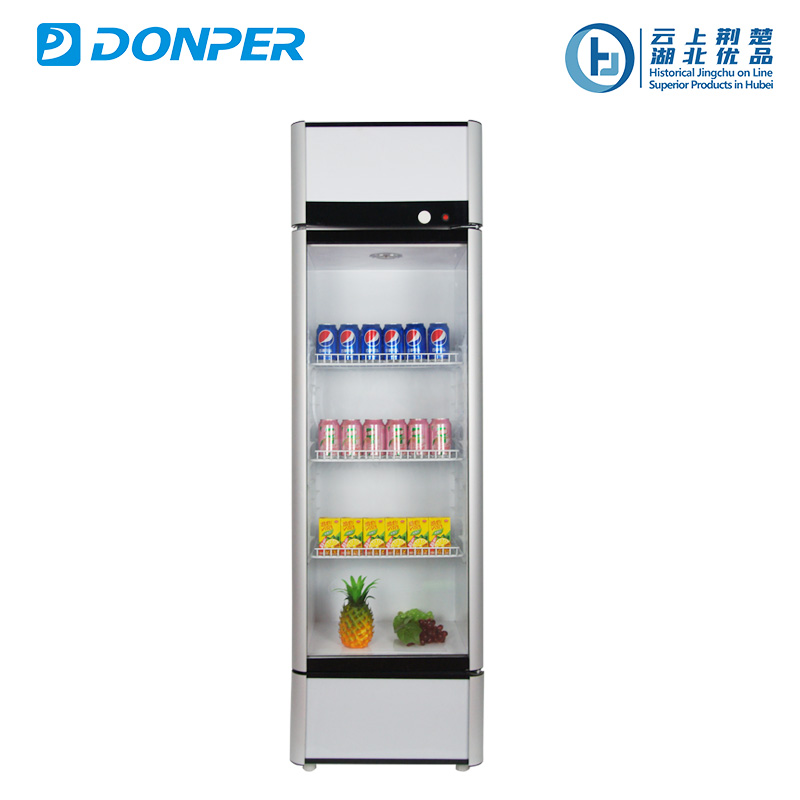
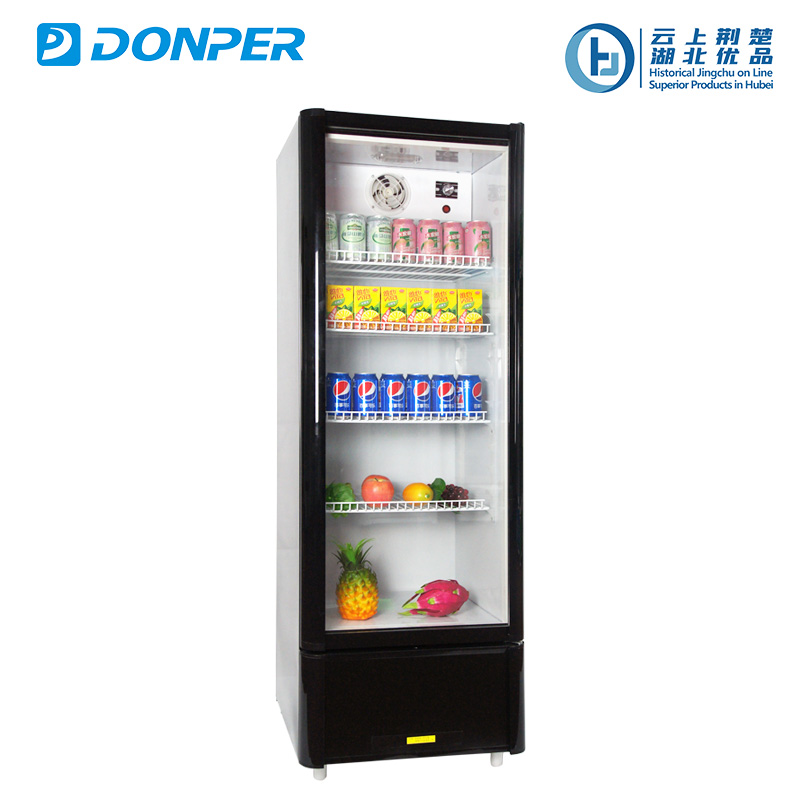
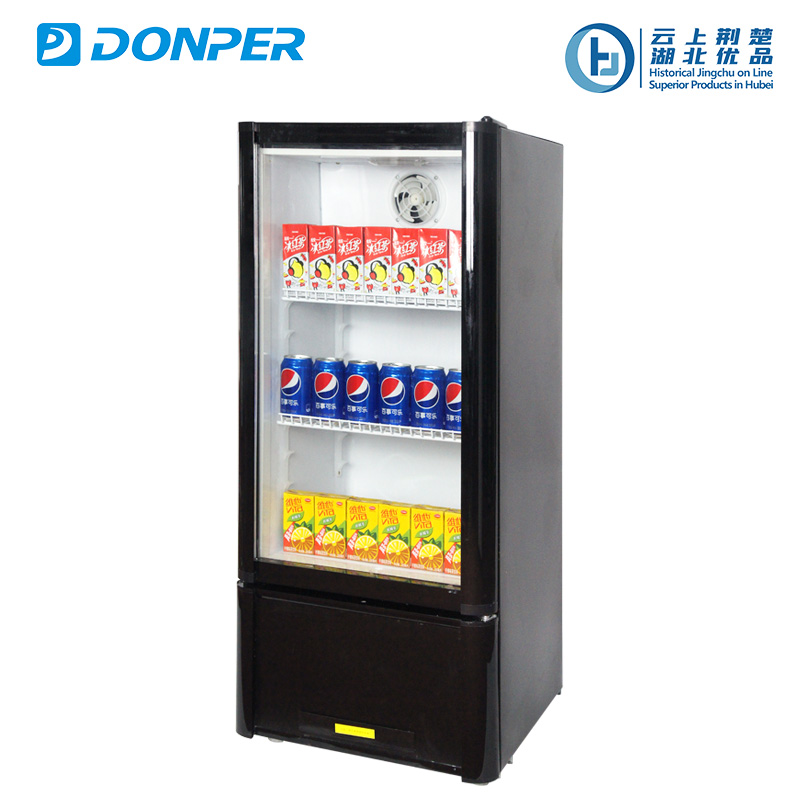
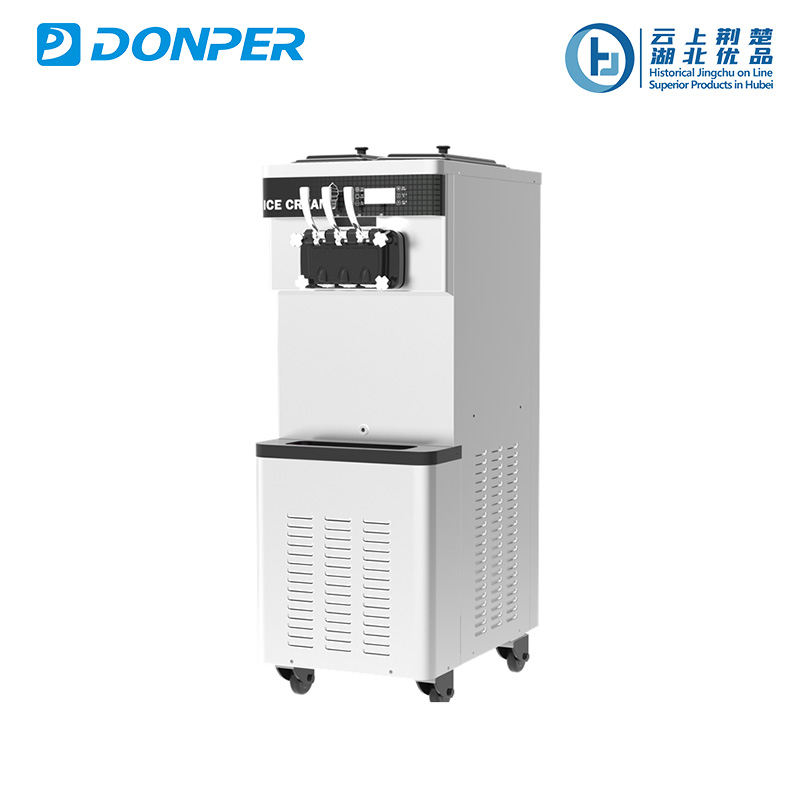
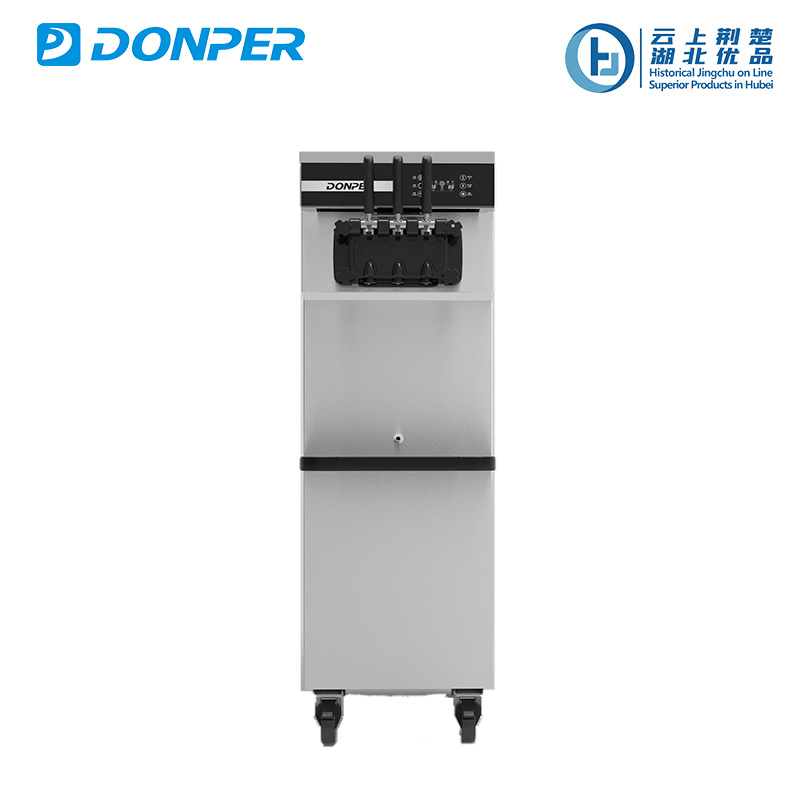
Other Refrigerators and Refrigeration Equipment
Source specialized and other refrigeration equipment directly from vetted manufacturers. Designed for importers, appliance wholesalers, and OEM brands, this category covers niche household cooling solutions for bulk procurement. Access reliable factories for private-label production and wholesale distribution.
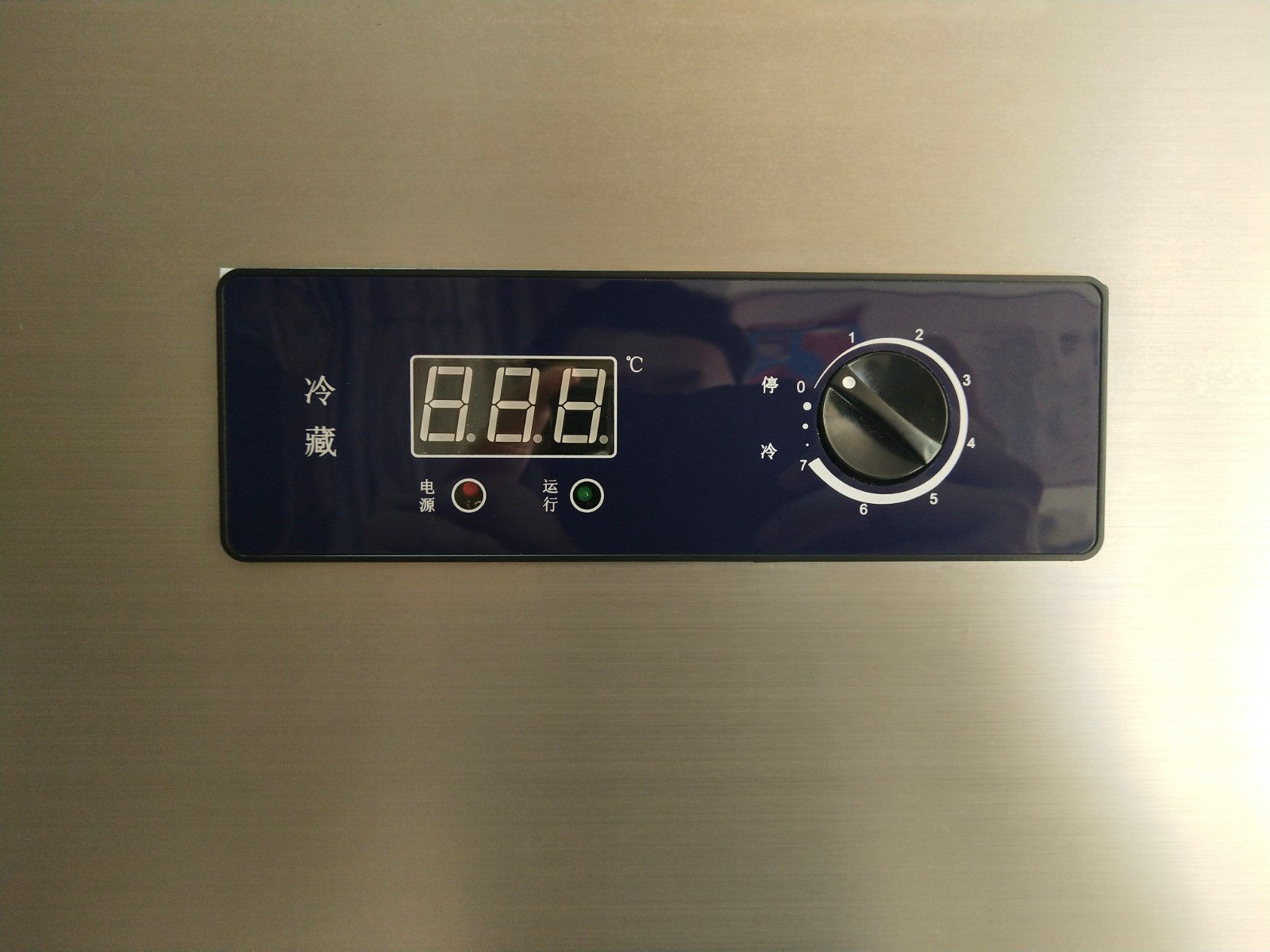
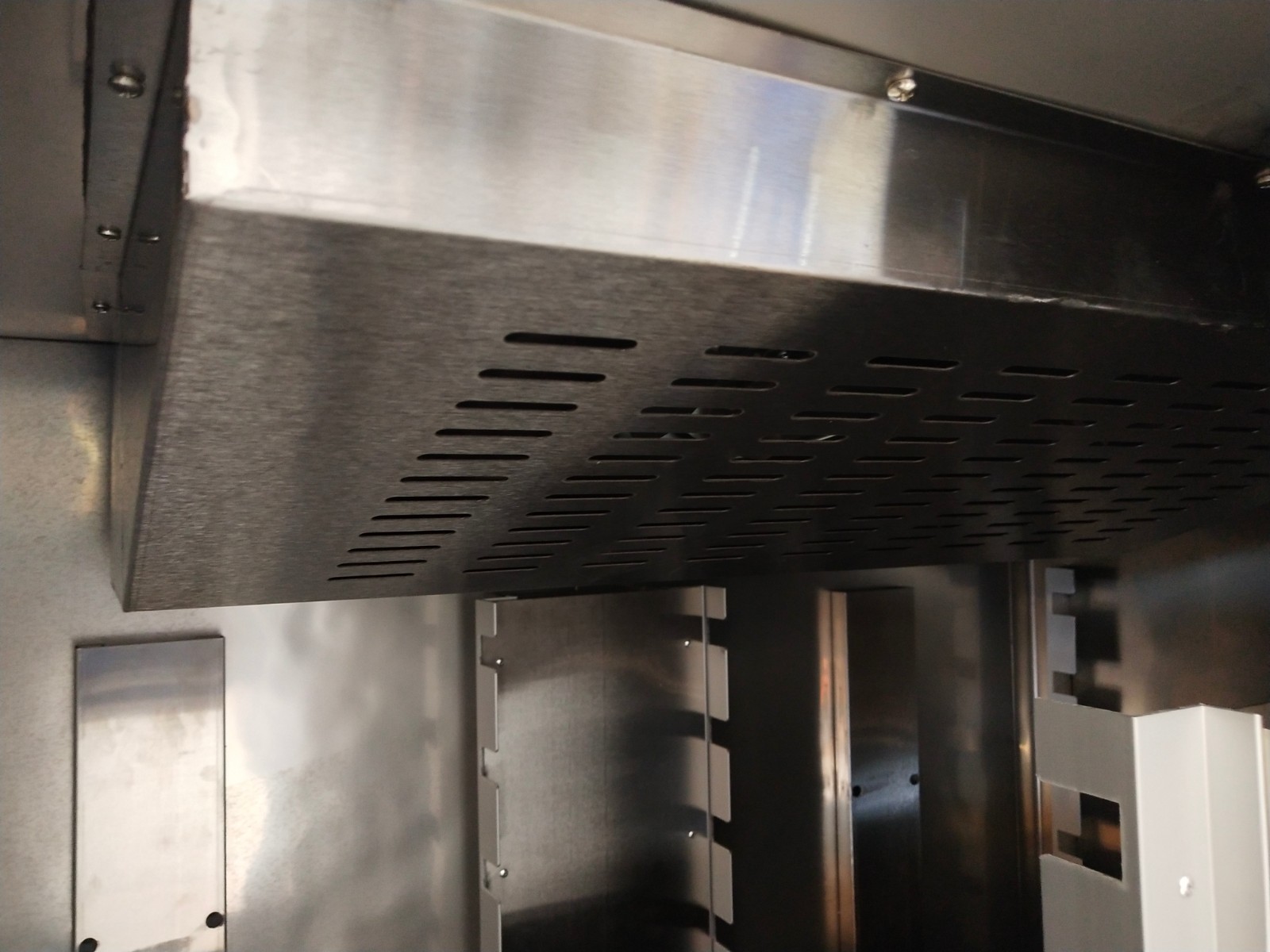
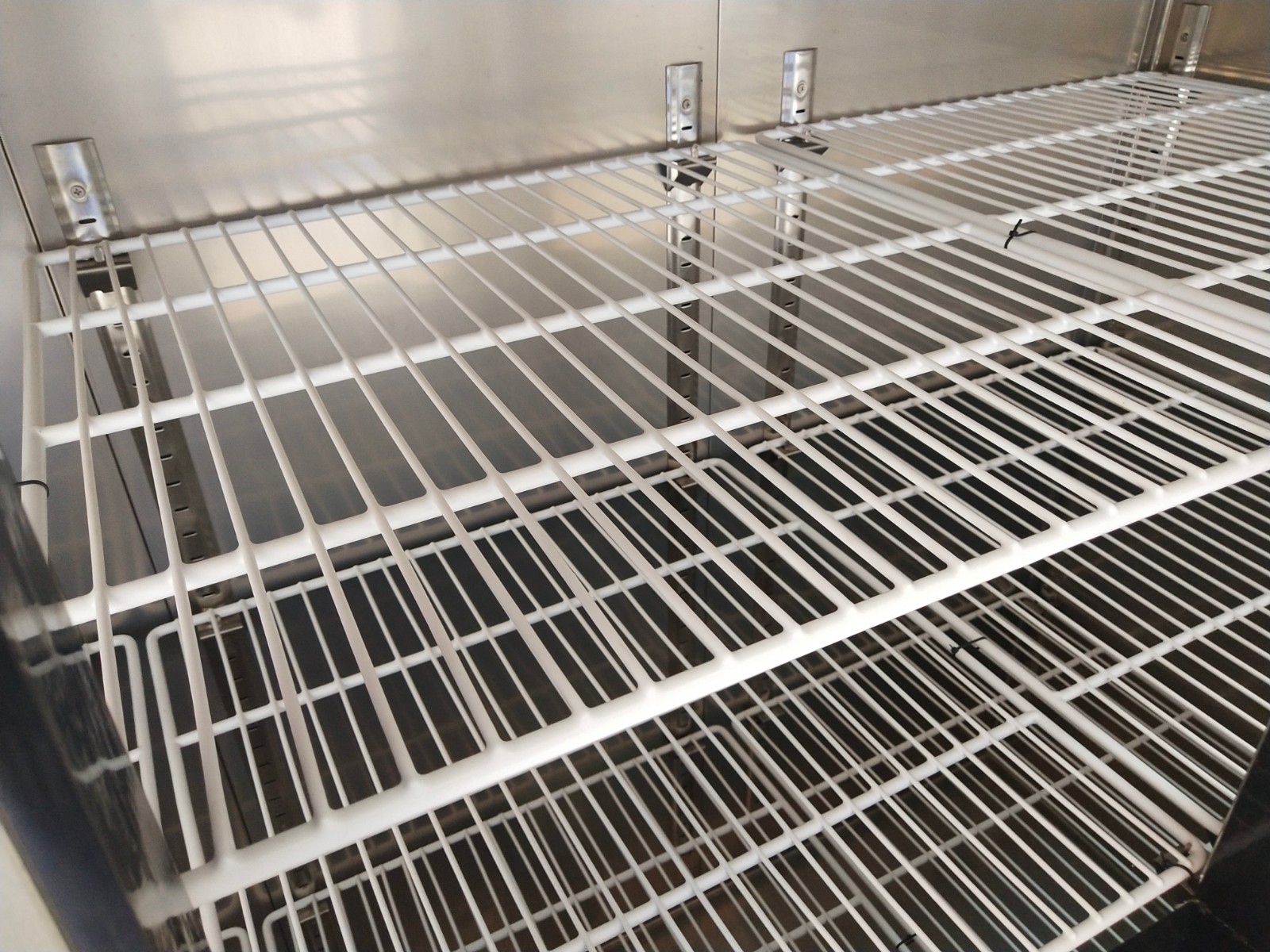
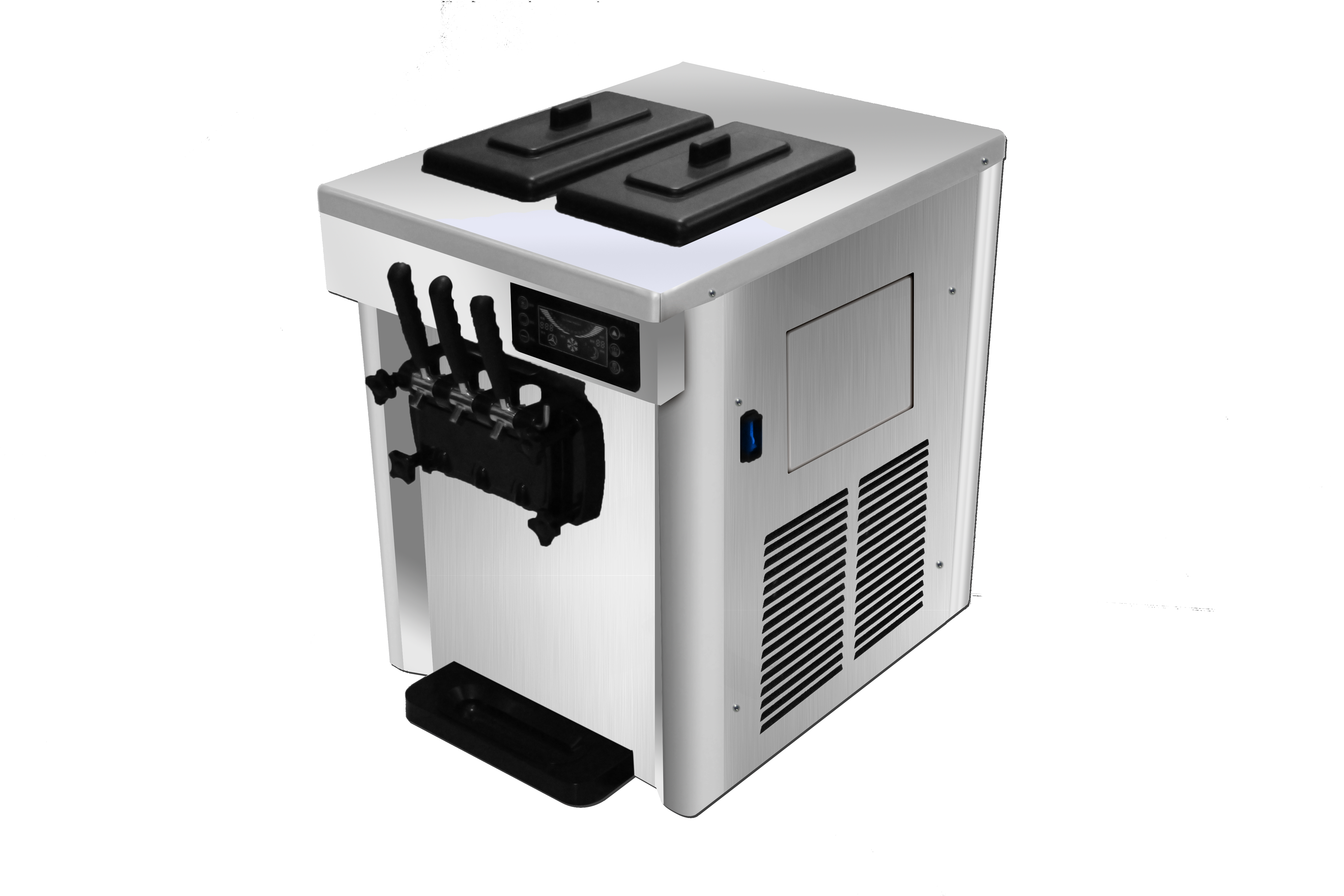
When sourcing specialized refrigeration equipment—such as beverage centers, wine coolers, cosmetic fridges, and portable household units—the margin for error in manufacturing is remarkably tight. Buyers must balance cooling performance, energy efficiency regulations, and the aesthetic demands of modern consumer appliances. Success requires strict oversight of the factory's sealed-system assembly, insulation processes, and electronic component sourcing.
Core Cooling Technologies and Specifications
Selecting the right foundational technology dictates the supplier profile you need. Manufacturers typically specialize in either compressor-based systems or solid-state thermoelectric cooling, and rarely excel at both under the same roof.
| Specification | Compressor-Based | Thermoelectric (Peltier) |
|---|---|---|
| Cooling Mechanism | Mechanical compression of refrigerant (R600a) | Solid-state heat transfer via electric current |
| Cooling Capacity | High (can reach sub-zero temperatures) | Limited (typically cools 15 to 20 degrees Celsius below ambient) |
| Noise Level | 38 to 45 dB (noticeable cycling) | Under 30 dB (near silent operation) |
| Best Application | Beverage centers, under-counter units, freezers | Cosmetic fridges, small desktop wine coolers |
For compressor units, specifying the correct climate class is critical. A unit designed for Climate Class N (Normal, up to 32 degrees Celsius) will struggle and potentially fail if distributed in markets requiring Class ST (Subtropical) or T (Tropical, up to 43 degrees Celsius).
Navigating complex appliance specifications? Let our technical sourcing experts match your requirements with the right specialized manufacturer.
Talk to our teamManufacturing Vulnerabilities and Quality Control
The lifespan of refrigeration equipment is determined on the factory floor. Even minor lapses in assembly can lead to catastrophic failure rates months after the product reaches your warehouse. Implementing rigorous Quality Control & Inspection during production is non-negotiable.
Critical Factory Floor Checks
In-Line Production Verification
- Sealed System Brazing: Inspect copper-to-copper and copper-to-steel joints for proper silver brazing to prevent micro-leaks.
- Halogen Leak Testing: Ensure 100% of units pass through a halogen sniffer or helium mass spectrometer leak test before charging.
- Polyurethane Foaming: Verify insulation injection pressures. Voids in the foam cause exterior condensation (sweating) and poor energy efficiency.
- Electrical Safety Testing: Confirm Hi-Pot (High Potential) and grounding continuity tests are performed on every unit at the end of the line.
- Performance Run-In: Units must run for a minimum of 2 to 4 hours to verify temperature pull-down and thermostat accuracy.
Regulatory Compliance and Certification
Household electrical appliances face stringent regulatory hurdles. Do not assume a factory's off-the-shelf product meets your market's current standards. For North America, energy consumption must align with DOE (Department of Energy) standards, and safety requires UL or ETL listing. For Europe, CE marking (including LVD and EMC directives) and strict adherence to the latest ERP (Energy-Related Products) eco-design requirements are mandatory.
Relying on outdated or fabricated certificates is a common pitfall. Utilizing professional Compliance & Testing services ensures your shipment won't be rejected by customs or flagged by market surveillance authorities.
MOQ, Pricing, and Lead Time Realities
Pricing in refrigeration is highly sensitive to raw material costs (steel, copper, aluminum) and the specific components chosen (e.g., standard Chinese compressors vs. premium imported brands).
If you are developing custom enclosures or proprietary smart-cooling features, OEM/ODM Services will require upfront tooling investments, particularly for custom glass doors or specialized plastic injection molds. Tooling development typically adds 30 to 45 days to your initial timeline.
Planning a new private-label appliance line? We can help negotiate MOQs, manage tooling, and oversee the production schedule.
Get a free consultationBuyer FAQ
Sourcing specialized refrigeration equipment demands a precise balance of mechanical reliability, aesthetic finish, and strict regulatory adherence. By focusing your attention on component selection, insulation integrity, and verifiable factory testing protocols, you can secure high-performing appliances that protect your brand's reputation in the market.
Get Sourcing Help for Other Refrigerators and Refrigeration Equipment
Tell us your requirements and our experts will connect you with verified manufacturers.