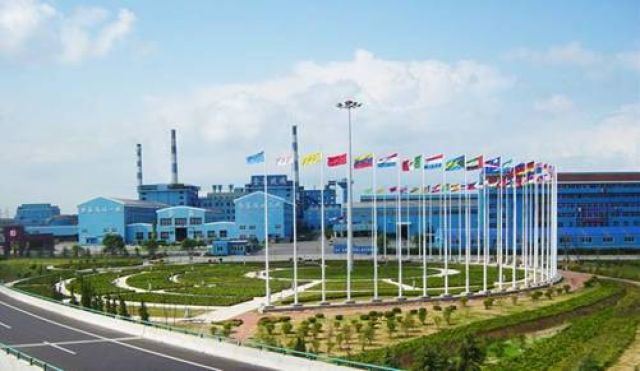
Other Processing Lines
Source specialized and custom Other Processing Lines from vetted manufacturers and suppliers in Asia. Built for industrial importers, distributors, and procurement managers, these bespoke production systems offer scalable automation. Secure reliable wholesale pricing and OEM engineering for your custom manufacturing needs.
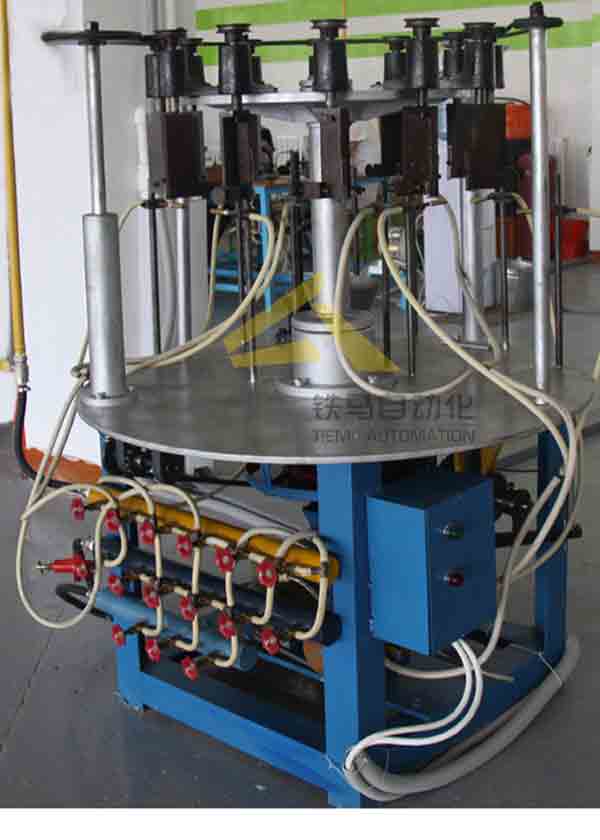
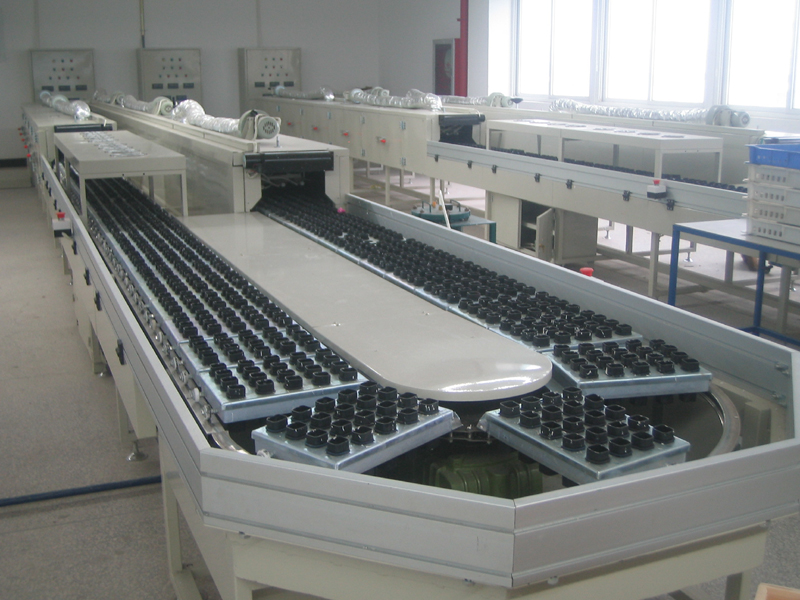
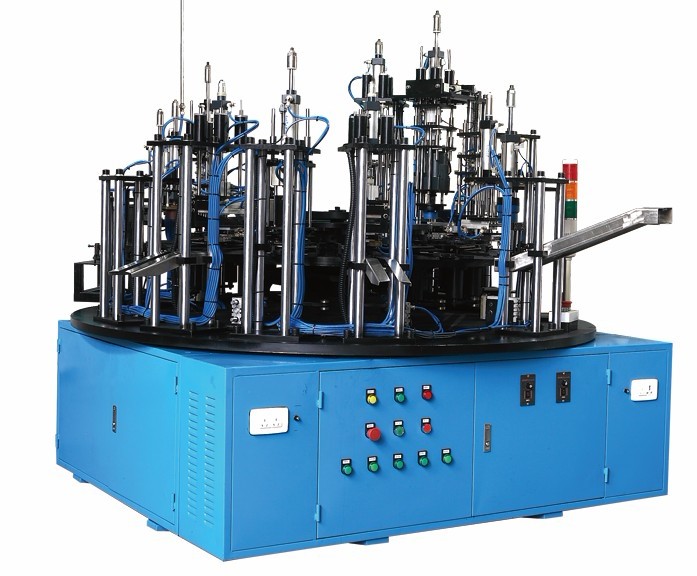
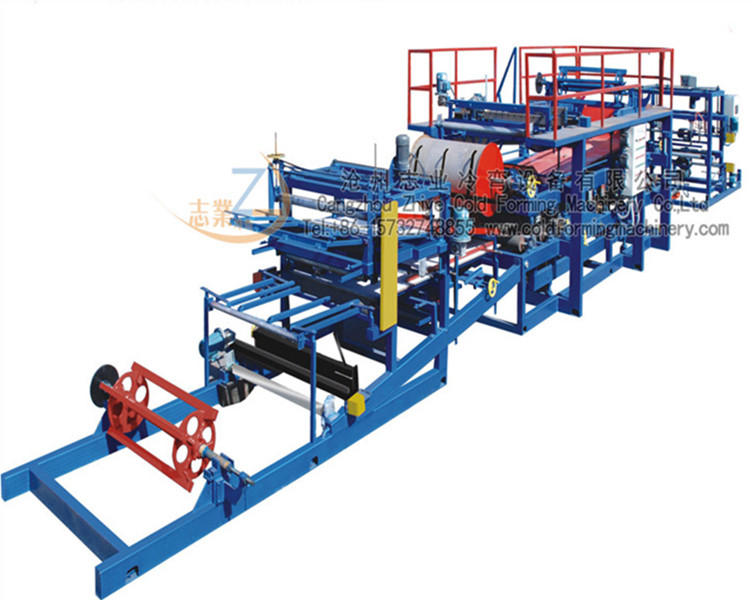
Sourcing non-standard or highly specialized processing lines requires a fundamental shift in procurement strategy. Unlike off-the-shelf production equipment, "other processing lines" encompass bespoke systems—ranging from novel material recovery and specialized chemical dosing to custom automated assembly networks. The core challenge is not simply negotiating price, but verifying that a manufacturer possesses the in-house engineering depth to translate your unique operational parameters into a reliable, integrated system.
When standard catalog machinery falls short, your supplier must act as an engineering partner capable of custom fabrication, PLC programming, and seamless system integration.
Defining Specifications for Custom Processing Systems
A successful custom processing line begins with an airtight technical specification. Ambiguity in your RFQ will result in wildly varying quotes and mismatched expectations. You must define the mechanical, electrical, and control parameters before approaching a factory.
Critical Specification Parameters
- Throughput Capacity: Define minimum, nominal, and maximum output rates (e.g., kg/hr, units/min) under specific environmental conditions.
- Material Contact Surfaces: Specify exact metallurgy (e.g., SUS304, SUS316L, or specialized alloys) based on the corrosiveness or abrasiveness of the processed material.
- Automation and Controls: Mandate globally supported PLC and HMI architectures (e.g., Siemens, Allen-Bradley, Mitsubishi) to ensure local support after installation.
- Power and Pneumatics: Specify destination country voltage, phase, and frequency (e.g., 480V/3-Phase/60Hz), along with required operating air pressures.
- Footprint and Layout: Provide maximum floor space dimensions, ceiling height constraints, and required operator access zones.
If you are developing a completely novel production method, engaging a partner for OEM/ODM services ensures your proprietary process is engineered securely and efficiently from the ground up.
Navigating the engineering phase of custom machinery sourcing? Let our technical team review your requirements and identify capable manufacturing partners.
Discuss your project specsEvaluating Manufacturer Engineering Depth
The Chinese industrial machinery sector is vast, but it is heavily segmented between true engineering houses and simple assemblers. For specialized processing lines, an assembler is a liability. You need a manufacturer with robust in-house R&D, CAD/SolidWorks capabilities, and dedicated automation engineers.
Before committing capital, rigorous factory audits are mandatory. You must verify their machining capabilities (do they have 5-axis CNCs in-house?), their welding certifications, and their history of building similar complex systems.
| Capability Area | Standard Assembler | True Engineering House |
|---|---|---|
| Design & R&D | Relies on off-the-shelf blueprints | In-house mechanical & electrical engineering teams |
| Component Sourcing | Uses domestic-only, lower-tier parts | Direct accounts with global brands (Festo, SEW, Schneider) |
| Customization | Limited to minor dimension changes | Capable of clean-sheet design and novel integration |
| After-Sales Support | Minimal troubleshooting capabilities | Remote PLC diagnostics and dedicated engineering support |
Factory Acceptance Testing (FAT) and Quality Validation
Never authorize the final balance payment or permit shipping until a comprehensive Factory Acceptance Test (FAT) is completed. For custom processing lines, the FAT is where theoretical design meets physical reality.
The machine must be fully assembled at the supplier's facility and run with your actual raw materials (or a closely matched substitute) for a continuous period. Strict quality control during this phase identifies bottlenecks, vibration issues, or software bugs while the machine is still surrounded by the engineers who built it. Once a 10-ton processing line arrives at your facility, structural or logic modifications become exponentially more expensive.
Documentation Requirements
Ensure your supplier provides comprehensive documentation prior to shipment. This must include electrical schematics, pneumatic diagrams, PLC source code (unlocked), and a detailed spare parts list with OEM part numbers.
Pricing Drivers, MOQs, and Lead Times
Because these lines are highly specialized, the Minimum Order Quantity (MOQ) is universally 1 complete system. However, pricing and lead times vary significantly based on the system's complexity and the origin of its critical components.
- Cost Drivers: The primary cost variables are the scale of the machinery, the grade of stainless steel or specialized alloys used, and the tier of the automation components. Specifying top-tier European or Japanese servo motors and PLCs will increase the total cost by 15 to 30 percent compared to using standard domestic Chinese components, but is often necessary for long-term reliability.
- Lead Times: Custom engineering takes time. Typical lead times range from 60 to 120 days. Complex lines requiring extensive R&D or imported components can extend to 150 days.
- Logistics: Processing lines rarely fit into standard shipping containers. They often require partial disassembly, specialized crating, and transport via Flat Rack or Open Top containers. Coordinating heavy machinery shipping and freight requires precise timing to avoid exorbitant port storage fees.
Need accurate pricing and lead-time estimates for your custom processing line? We can help you benchmark costs across top-tier industrial manufacturers.
Talk to our machinery teamFrequently Asked Questions
Sourcing custom processing lines is an exercise in risk management and technical alignment. Success depends entirely on choosing a manufacturer with the engineering bandwidth to understand your process and the operational discipline to execute it flawlessly. By prioritizing rigorous specifications and comprehensive factory testing, you can secure advanced industrial automation that drives long-term profitability.
Get Sourcing Help for Other Processing Lines
Tell us your requirements and our experts will connect you with verified manufacturers.