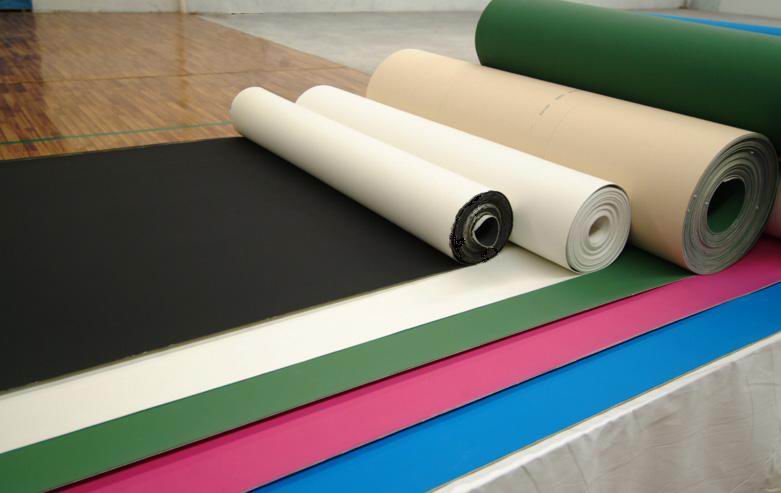
Other Printing Materials
Source bulk and wholesale Other Printing Materials from vetted suppliers and manufacturers across Asia. Designed for importers, commercial printing distributors, and packaging brands, our network delivers reliable pressroom consumables, specialty coatings, and finishing materials for high-volume production.
Sourcing specialized printing materials—whether high-gloss UV coatings, pressroom chemicals, anti-set-off powders, or finishing foils—requires strict attention to batch-to-batch consistency. For commercial printers and packaging converters, a minor variance in viscosity, pH, or chemical composition can lead to costly press downtime, ruined runs, or equipment damage. Sourcing these miscellaneous consumables in bulk means looking beyond unit price and rigorously verifying the manufacturer's formulation stability, raw material supply chain, and quality control infrastructure.
Defining Specifications for Niche Consumables
Because this category covers a diverse range of pressroom and finishing supplies, your request for quotation (RFQ) must be highly specific to the material type. Vague specifications lead to suppliers substituting cheaper resins, solvents, or base materials, which inevitably impacts on-press performance.
When sourcing specialized coatings, films, or chemical solutions, ensure your technical datasheets define the following parameters:
Critical Specifications for Printing Materials
- Viscosity and Solid Content: Crucial for varnishes and UV coatings to ensure proper flow and curing speed.
- VOC Content and Environmental Compliance: Must align with your target market's environmental regulations (e.g., REACH in Europe, EPA standards in the US).
- Particle Size Distribution: Essential for anti-set-off powders to prevent offsetting without damaging the printed surface.
- Dyne Level (Surface Tension): For laminating films and foils, ensuring proper adhesion to the printed substrate.
- pH and Conductivity: For dampening solutions and press washes to maintain ink-water balance and protect press rollers.
Struggling to find reliable manufacturers for specialty printing consumables? Let our sourcing experts vet the right production partners for your requirements.
Talk to our teamFactory Verification and Batch Consistency
The primary risk when importing chemical and specialty printing consumables is inconsistency between production batches. A supplier might provide a perfect pre-production sample, but fail to maintain the same formulation during mass production due to poorly calibrated mixing equipment or variations in their own raw material sourcing.
To mitigate this, buyers must audit the factory's internal quality management systems. You need to confirm they have in-house laboratories capable of testing viscosity, chemical composition, and curing times. Conducting thorough Factory Audits before placing an order ensures the facility has the automated mixing and dispensing equipment necessary for repeatable formulations, rather than relying on manual, error-prone processes.
Sourcing from Direct Formulators vs. Chemical Trading Companies
Advantages
- Direct Formulators: Better control over custom formulations, lower long-term costs, and direct access to technical support.
- Trading Companies: Can consolidate various niche consumables (powders, chemicals, films) into a single shipment with lower MOQs.
Disadvantages
- Direct Formulators: Higher MOQs per specific SKU, less willingness to mix diverse product types in one container.
- Trading Companies: High risk of switching actual manufacturers between batches, leading to unpredictable quality variations.
Implementing strict Quality Control & Inspection protocols before the goods leave the factory is non-negotiable. For liquids and powders, this involves drawing random samples from the production batch and comparing them against the approved master sample using spectrophotometers, viscometers, or other relevant testing equipment.
Buying Mechanics: MOQs, Pricing, and Logistics
Purchasing printing materials in bulk requires understanding the standard packaging and shipping constraints of the industry. Many of these products are sensitive to temperature fluctuations or are classified as hazardous materials (hazmat), which complicates international logistics.
| Consumable Type | Typical MOQ | Primary Cost Driver |
|---|---|---|
| UV Coatings & Varnishes | 1,000 kg (IBC Totes or Drums) | Resin and photoinitiator quality |
| Laminating Films & Foils | 50 to 100 Master Rolls | Base polymer and metallic layer thickness |
| Pressroom Chemicals (Washes/Solvents) | 500 Liters | Solvent purity and raw chemical market indices |
Lead Times and Shipping Considerations
Standard production lead times for specialty printing materials range from 15 to 25 days. However, the real bottleneck often lies in shipping. Many press washes, specialty solvents, and certain coatings require Material Safety Data Sheets (MSDS) and must be shipped as Dangerous Goods (DG).
Furthermore, products like thermal laminating films or specific water-based coatings can degrade if exposed to extreme heat or freezing temperatures during transit. Coordinating with a partner experienced in Shipping & Freight is critical to ensure temperature-controlled containers (reefers) are used when necessary and that all DG paperwork is flawlessly executed to prevent customs delays.
Need to consolidate complex shipments of printing consumables safely? We manage the logistics, compliance, and QC from factory to your warehouse.
Get a free consultationFrequently Asked Questions
Securing a reliable supply of specialty printing materials is about building a supply chain that prioritizes formulation stability and rigorous pre-shipment testing. By partnering with vetted manufacturers and enforcing strict quality and logistical controls, you can protect your production lines from costly material failures.
Get Sourcing Help for Other Printing Materials
Tell us your requirements and our experts will connect you with verified manufacturers.