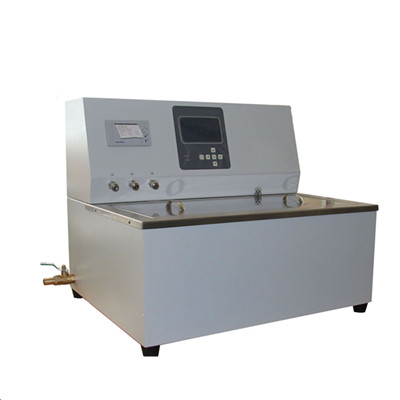
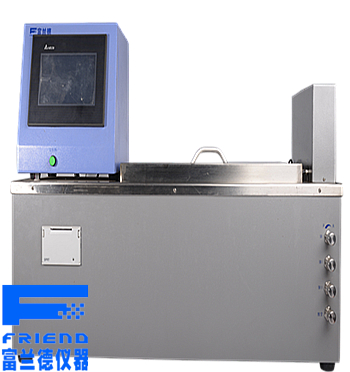
Other Pressure Measuring Instruments
Source specialized and custom Other Pressure Measuring Instruments directly from vetted manufacturers and suppliers. Designed for importers, distributors, and brands seeking OEM or private-label production, our network delivers reliable, high-accuracy testing equipment tailored to your bulk purchasing requirements.
Sourcing specialized or non-standard pressure measuring instruments requires strict alignment between your technical requirements and a factory's engineering capabilities. Because this category encompasses devices outside standard gauge or transmitter classifications—such as custom pneumatic sensors, specialized differential switches, multi-parameter hybrid diagnostic tools, or proprietary testing rigs—off-the-shelf procurement rarely suffices. Success depends on identifying manufacturers with genuine R&D capacity and rigorous calibration standards.
Defining Technical Specifications for Custom Instruments
When dealing with specialized pressure measurement, ambiguity in your specification sheet will lead to severe performance issues in the field. Factories producing non-standard instruments need exact parameters to select the correct sensor core (piezoresistive, capacitive, or resonant) and housing materials.
Critical Specifications to Define for the Factory
- Measurement Range and Burst Pressure: Specify standard operating range and the maximum overpressure limit before catastrophic failure.
- Accuracy and Resolution: Define acceptable error margins as a percentage of Full Scale (FS), typically ranging from 0.05 percent to 0.5 percent FS.
- Wetted Materials: Specify media compatibility. Standard air/water may use 304/316L stainless steel; corrosive media require Hastelloy, Titanium, or PTFE isolation diaphragms.
- Temperature Compensation: Define the operating temperature range over which the accuracy specification must be maintained.
- Output and Protocols: Detail the required signal (e.g., 4-20mA, 0-5V) or digital protocols (RS485, HART, I2C) for smart instruments.
Manufacturing Quality and Common Pitfalls
The most common failure point in specialized pressure instruments is not the sensor chip itself, but the assembly, sealing, and calibration processes. Poorly welded isolation diaphragms can lead to slow oil leaks (in oil-filled sensors), causing long-term measurement drift that only appears months after deployment.
Temperature Compensation Drift
Many lower-tier suppliers skip full-spectrum temperature compensation to save time. A sensor may read perfectly at 25°C but drift wildly at 60°C. Always require documentation of thermal cycling tests across the specified operating range.
To mitigate these risks, implementing strict quality control and inspection protocols during production is essential. This includes verifying the factory's calibration rigs against national or international standards.
Need help verifying a manufacturer's technical capabilities and calibration standards for specialized instruments?
Talk to our teamSourcing Regions and Supplier Capabilities
China's instrument manufacturing hubs are somewhat segmented by technological focus. Understanding where to look can shorten your sourcing cycle and improve the quality of your final product.
| Manufacturing Hub | Core Engineering Strength | Best Suited For |
|---|---|---|
| Guangdong (Shenzhen, Dongguan) | Electronics, PCB design, IoT integration | Smart sensors, wireless pressure monitors, digital diagnostics |
| Jiangsu & Zhejiang | Heavy mechanical machining, metallurgy | High-pressure industrial tools, rugged mechanical switches |
| Shaanxi (Xi'an) | Aerospace-grade sensor technology, precision calibration | High-accuracy transducers, specialized scientific instruments |
Before committing to a supplier for a custom instrument, conducting thorough factory audits is highly recommended to verify their in-house testing equipment (such as deadweight testers and environmental chambers) and their engineering team's experience with your specific application.
MOQs, Pricing, and Lead Times
Because these instruments are often highly specialized, production economics differ from standard mass-market gauges.
If your project requires entirely new housings, proprietary firmware, or unique form factors, utilizing professional OEM/ODM services can help bridge the gap between your engineering requirements and the factory's production realities, ensuring IP protection and proper tooling setup.
Discuss your target pricing, technical specs, and custom tooling requirements with a sourcing expert.
Get a free consultationFrequently Asked Questions
Procuring specialized pressure measurement equipment is fundamentally an exercise in risk management and technical alignment. By clearly defining your tolerances, auditing the factory's calibration infrastructure, and enforcing rigorous pre-shipment testing, you can secure high-performance instruments at competitive manufacturing costs.
Get Sourcing Help for Other Pressure Measuring Instruments
Tell us your requirements and our experts will connect you with verified manufacturers.