Other Prefab Houses
Source high-quality Other Prefab Houses directly from vetted manufacturers and wholesale suppliers. Designed for importers, real estate developers, and distributors looking for specialty modular structures, our network delivers reliable OEM and bulk production solutions.
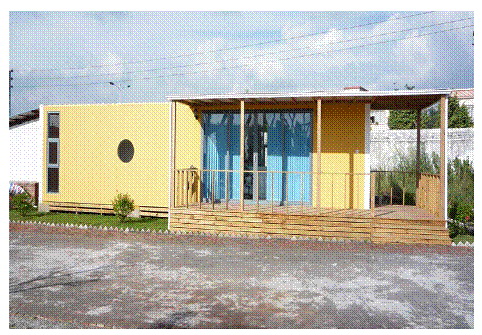
The "Other Prefab Houses" category encompasses a wide range of specialty modular structures that fall outside standard flat-pack or shipping container designs. This includes A-frame cabins, geodesic domes, space-capsule pods, and specialized glamping units. For commercial buyers, sourcing these unique structures presents a distinct challenge: balancing innovative, high-appeal designs with rigorous structural integrity, weatherproofing, and international building code compliance.
When importing these non-standard units, success depends on strictly defining material specifications and overseeing the manufacturing process to ensure the final product can withstand its intended environment.
Critical Specifications and Materials
Unlike standardized modular buildings, specialty prefab houses vary wildly in their construction methods. To ensure durability and safety, buyers must dictate precise material standards rather than relying on a factory's default configuration.
- Structural Framework: The backbone of most specialty prefabs is galvanized steel. Look for Q235 or Q355 grade steel. The thickness of the main load-bearing profiles should typically range from 2.5mm to 4.0mm, depending on the required snow and wind loads of the destination market.
- Insulation Core: Thermal performance is critical, especially for glamping or residential applications. Polyurethane (PU) foam offers the highest R-value per inch, while Rockwool provides superior fire resistance. Specify a minimum thickness of 50mm to 100mm based on climate requirements.
- Exterior Cladding: Options range from aluminum composite panels (common on modern "apple cabins") to Wood-Plastic Composite (WPC) or corrugated steel. Ensure the cladding is treated with a high-quality fluorocarbon (PVDF) coating for UV resistance and longevity.
Need help standardizing specifications across multiple specialty prefab suppliers? Let our engineers review your requirements.
Talk to our teamManufacturing Tolerances and Quality Control
The primary risk when sourcing unconventional prefab shapes (like curves, domes, or complex angles) is poor fit and finish. Inconsistent manufacturing tolerances lead to gaps in insulation, water ingress, and assembly difficulties on-site.
Executing comprehensive factory audits before placing an order is non-negotiable. You must verify that the facility has the specialized CNC bending and cutting equipment required for non-linear designs, rather than just basic welding stations.
During production, strict quality control & inspection protocols must be enforced.
Key Inspection Points for Specialty Prefabs
- Weld penetration and uniformity on complex structural joints.
- Thickness and application consistency of anti-corrosion zinc coatings.
- Integrity of weather-stripping and silicone seals around custom-shaped windows.
- Pre-installation of electrical and plumbing lines to ensure they meet destination market standards (e.g., UL, CE, AS/NZS).
- Dimensional accuracy to ensure the unit fits within standard shipping container profiles (if not shipping out-of-gauge).
Shipping and Compliance Complexities
Logistics often dictate the design of specialty prefab houses. While some units are designed as flat-pack kits for easy shipping, others (like fully finished pods) are shipped fully assembled. Fully assembled units often require specialized shipping & freight solutions, such as Flat Rack containers, which significantly impact landed costs.
Furthermore, local building codes vary drastically. Buyers must ensure that all materials (especially insulation and wiring) undergo proper compliance & testing to meet local fire safety and structural regulations before export.
Pricing, MOQs, and Lead Times
Because these units are often larger and more complex than standard flat-packs, purchasing mechanics differ slightly from typical wholesale goods.
- Minimum Order Quantities (MOQs): For large, fully assembled pods or complex cabins, MOQs can be as low as 1 to 2 units. For smaller, flat-pack specialty structures (like geodesic dome kits), expect MOQs of 5 to 10 units.
- Lead Times: Production typically takes 30 to 45 days for standard designs. Custom OEM designs or modifications to structural engineering will push lead times to 60 days or more.
- Pricing Drivers: The primary cost variables are the quality of the exterior cladding (e.g., aluminum vs. painted steel), the type of insulation, and the inclusion of interior fit-outs (smart home systems, premium flooring, custom cabinetry).
Want to accurately forecast landed costs for fully assembled vs. flat-pack specialty prefabs? Contact us for a detailed logistics and sourcing breakdown.
Get a free consultationFrequently Asked Questions
Sourcing innovative prefab structures requires a delicate balance between eye-catching design and rigorous structural engineering. By defining strict material specifications and enforcing robust quality control at the factory level, you can secure high-quality units that meet your market's demands. If you are scaling your procurement of specialty prefabs, professional oversight on the factory floor is your best defense against costly defects.
Get Sourcing Help for Other Prefab Houses
Tell us your requirements and our experts will connect you with verified manufacturers.