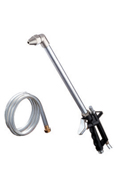
Other Pneumatic Tools
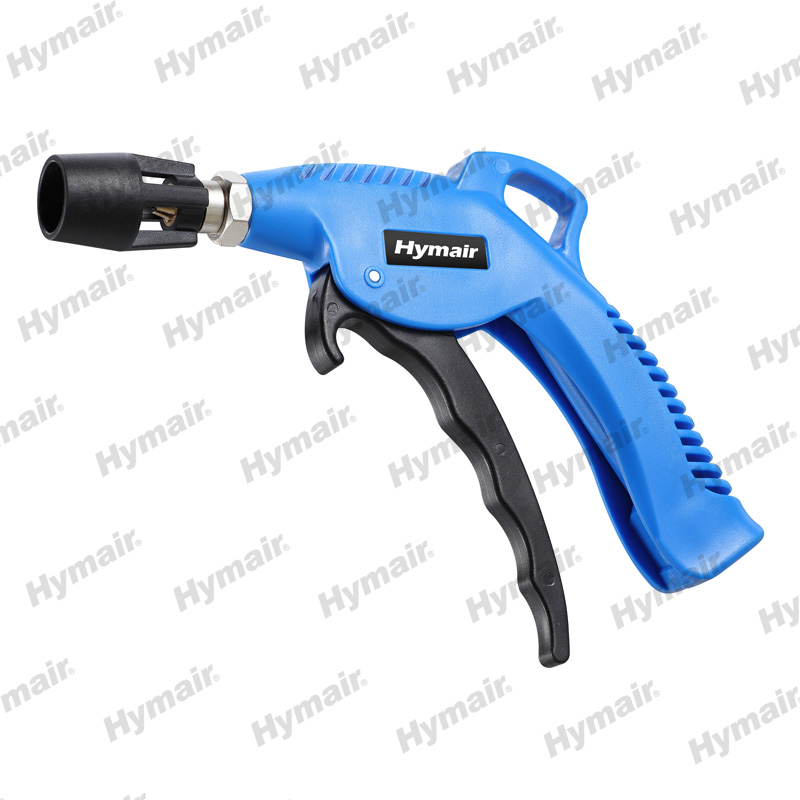
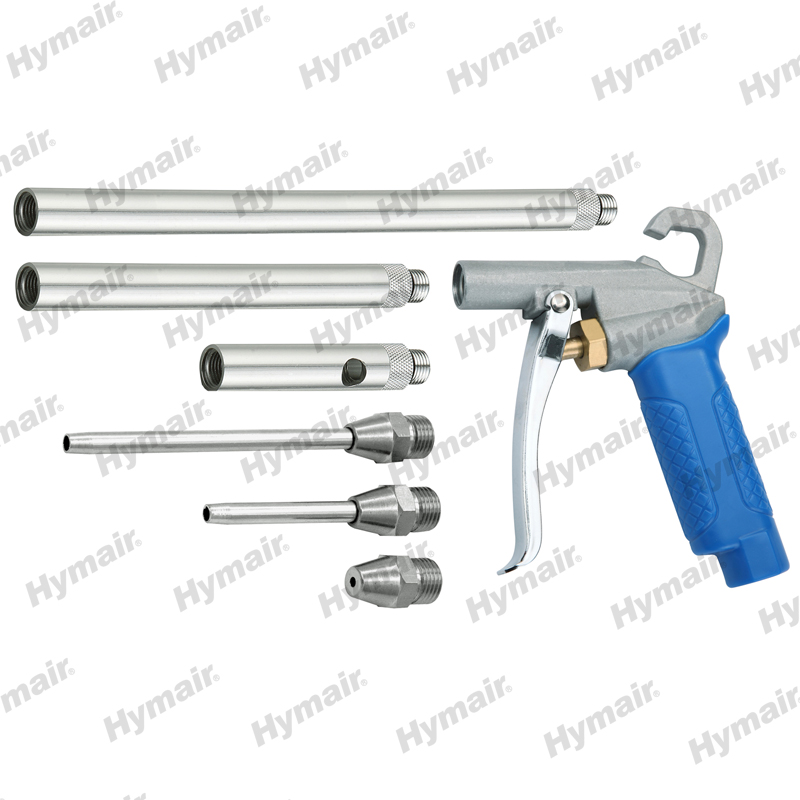
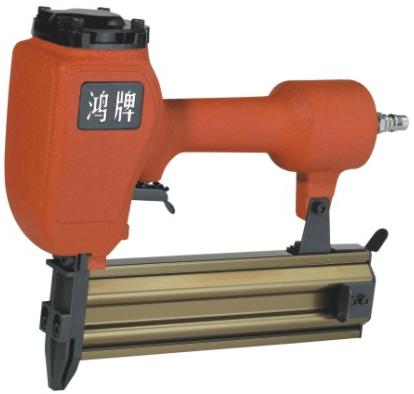
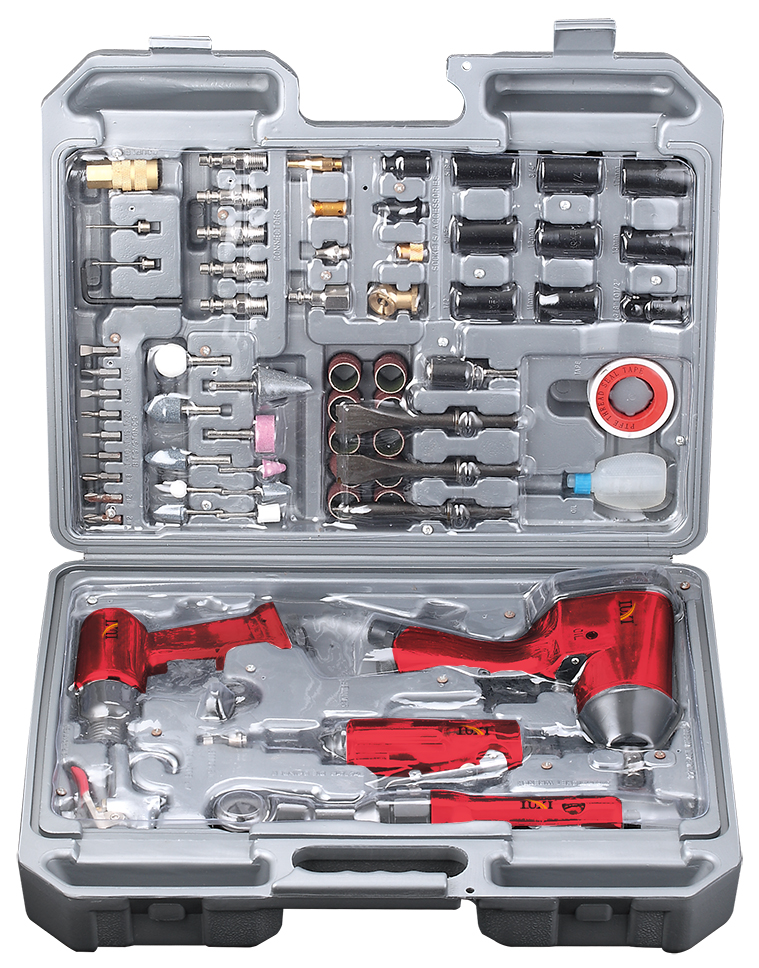
Source Other Pneumatic Tools in bulk from vetted manufacturers and suppliers. Designed for importers, wholesalers, distributors, and brands seeking OEM or private-label production, this category covers specialized air-powered equipment. Find reliable factories for high-volume orders and custom tooling solutions.
Sourcing specialized or niche pneumatic tools—such as air shears, pneumatic caulking guns, air scribes, or specialized riveters—requires partnering with factories that understand precise airflow dynamics and durable housing construction. Unlike standard high-volume items like impact wrenches, these specialized air tools often require custom tooling, specific OEM adjustments, and strict adherence to industrial standards to perform reliably under continuous use.
Need reliable manufacturers for specialized pneumatic equipment?
Talk to our teamKey Specifications and Material Standards
When evaluating wholesale suppliers for specialized pneumatic tools, the internal components dictate the tool's lifespan and efficiency. Buyers must specify exact material requirements rather than relying on a factory's default, cost-optimized bill of materials.
Internal Tolerances and Sealing
The heart of any rotary or reciprocating air tool is the cylinder and rotor assembly. Cylinders should be precision-honed steel or hardened aluminum to prevent premature wear from rotor blade friction. Rotor blades are typically made from phenolic resin or Kevlar-reinforced composites; specifying high-grade materials here prevents shattering under high RPMs.
Additionally, O-rings and seals must be specified to handle both the operating pressure (standard industrial tools operate at 90 PSI / 6.2 Bar) and the lubricating oils introduced through the airline. Buna-N (Nitrile) is standard, but Viton may be required for tools exposed to harsh chemical environments.
Housing Material Selection
The external housing impacts the tool's weight, durability, and thermal properties.
| Housing Material | Durability | Weight | Thermal Properties | Typical Application |
|---|---|---|---|---|
| Die-Cast Aluminum | High impact resistance | Heavier | Cold to the touch during extended use | Heavy-duty industrial and automotive |
| Composite (Glass-filled Nylon) | Moderate to High | Lightweight (reduces operator fatigue) | Insulates against cold air exhaust | Assembly lines and continuous use |
| Steel Alloy | Maximum | Heaviest | Cold to the touch | Demanding demolition or foundry work |
Quality Control and Common Factory Defects
In bulk production, consistency is the primary challenge. Without strict oversight, factories may allow machining tolerances to slip, resulting in air bypass and reduced tool power. Implementing stringent Quality Control & Inspection protocols before shipment is critical.
Pre-Shipment Inspection Focus Areas
- Inlet Air Leakage: Test for audible or measurable air leaks at the inlet valve and trigger assembly under 90 PSI.
- Free Speed/Actuation Testing: Verify RPM or stroke rate matches the specification sheet using a tachometer or stroke counter.
- Air Consumption (CFM): Measure actual air draw under load to ensure it aligns with the rated compressor requirements.
- Exhaust Deflection: Ensure exhaust air and atomized oil are directed away from the operator's workspace.
- Torque/Force Output: For fastening or pressing tools, verify the output force meets the required minimums.
Watch for Substandard Bearings
A common cost-cutting measure in lower-tier factories is the use of unbranded, low-grade bearings. Always specify ABEC-rated bearings from recognized brands (e.g., NSK, NTN, or high-tier domestic equivalents) to prevent premature tool seizure.
MOQs, Lead Times, and OEM Pricing
Because "other" pneumatic tools often serve niche applications, production runs are typically smaller than those for standard air ratchets or spray guns.
Pricing is heavily influenced by the complexity of the machined parts and the cost of raw materials (aluminum and steel). If you are developing a proprietary tool or modifying an existing design for a specific industry application, you will need robust OEM/ODM Services. Custom molds for composite housings or die-cast aluminum bodies require upfront tooling investments, which can take an additional 30 to 45 days to finalize before mass production begins.
Planning a custom pneumatic tool production run? Let us manage the factory negotiations.
Get a free consultationFrequently Asked Questions
Finding a capable manufacturer for niche pneumatic tools means looking past the sales catalog and evaluating their machining capabilities, assembly line cleanliness, and testing infrastructure. Conducting comprehensive Factory Audits is the most effective way to verify that a supplier has the technical competence to deliver reliable, industrial-grade air tools at scale.
Get Sourcing Help for Other Pneumatic Tools
Tell us your requirements and our experts will connect you with verified manufacturers.