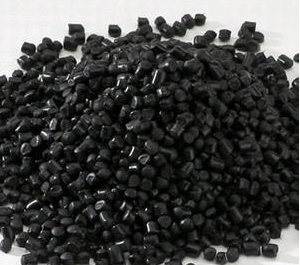
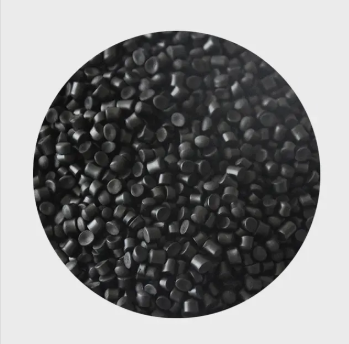
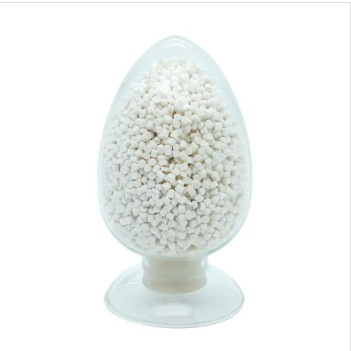
Other Plastic Raw Materials
Source specialty and other plastic raw materials from vetted suppliers and manufacturers across Asia. Designed for industrial manufacturers, wholesalers, and procurement managers, our network provides reliable access to bulk engineering plastics, custom compounds, and specialty resins tailored for high-volume production.
Sourcing specialty, engineered, or custom-compounded plastic raw materials requires strict adherence to technical specifications. Unlike commodity resins, these specialized materials—ranging from high-performance engineering plastics to advanced biopolymers and custom masterbatches—demand precise formulation. The primary challenge for bulk buyers is ensuring batch-to-batch consistency and verifying that the factory possesses the technical infrastructure to meet your exact mechanical, thermal, and regulatory requirements.
Critical Specifications for Specialty Resins
When purchasing non-standard plastic raw materials, vague specifications lead to production failures. You must define the exact physical and chemical properties required for your specific injection molding, extrusion, or blow molding processes.
Key Material Specifications to Define
- Melt Flow Index (MFI): Specify the exact g/10min at your operating temperature and load to ensure proper mold flow.
- Moisture Content: Critical for moisture-sensitive resins (like advanced polyesters or nylons); must often be kept under 0.1 percent before processing.
- Tensile & Impact Strength: Define required Izod impact strength and tensile yield to ensure end-product durability.
- Ash Content: Used to verify the percentage of inorganic fillers (like glass fiber or talc) in custom compounds.
- Thermal Stability: Specify the Heat Deflection Temperature (HDT) and Vicat softening point.
Manufacturing Risks and Quality Control
The production of custom compounds, masterbatches, and specialty resins involves precise blending, compounding, and pelletizing. Quality is won or lost in the factory's material handling and extrusion processes.
Cross-contamination is a severe risk when factories switch between different resin grades or colors without properly purging their twin-screw extruders. Furthermore, some suppliers may quietly blend cheaper regrind (recycled material) with virgin resin to lower costs, which degrades the mechanical properties and introduces impurities.
The Undisclosed Regrind Risk
A common margin-padding tactic is mixing 10 to 20 percent regrind into virgin specialty batches. This can drastically alter the MFI and cause brittleness in your final product. Always specify "100 percent virgin material" in your PO unless regrind is strategically approved.
To mitigate these risks, implementing robust Quality Control & Inspection is non-negotiable. Pre-shipment sampling and independent lab testing for material composition are standard practices for high-stakes resin procurement.
Need to verify the composition and consistency of a specialty resin supplier?
Talk to our teamSupplier Verification: Compounders vs. Traders
The Asian plastics market is heavily populated by trading companies posing as manufacturers. While traders can offer diverse catalogs, sourcing complex or custom plastic raw materials usually requires direct communication with the actual compounder.
True manufacturers will have in-house testing laboratories equipped with spectrophotometers, melt flow indexers, and moisture analyzers. Conducting thorough Factory Audits ensures the facility has the necessary compounding lines, proper silo storage to prevent moisture ingress, and a legitimate quality management system (such as ISO 9001).
Pricing, MOQs, and Lead Times
Pricing for specialty plastics is highly volatile, driven by raw petrochemical precursor costs, specialized additives, and processing complexity. Minimum Order Quantities (MOQs) vary significantly based on whether the material is a standard specialty grade or a custom color/additive match.
| Material Tier | Typical MOQ | Production Lead Time | Primary Cost Driver |
|---|---|---|---|
| Off-the-shelf Specialty Resins | 1 to 5 Metric Tons | 10 to 15 Days | Petrochemical indices |
| Custom Masterbatches/Compounds | 500 kg to 2 Metric Tons | 15 to 25 Days | Pigment and additive costs |
| Advanced Engineering Plastics | 100 kg to 1 Metric Ton | 20 to 30 Days | Precursor availability |
When importing these materials into highly regulated markets like the EU or North America, you must also account for the cost and time associated with Compliance & Testing. Certifications for REACH, RoHS, or FDA food-contact compliance must be validated by recognized third-party laboratories, as factory-provided certificates are frequently outdated or falsified.
Streamline your raw material procurement and secure reliable pricing.
Get a free consultationFrequently Asked Questions
Securing a reliable supply chain for specialty and custom plastic raw materials requires moving beyond simple price negotiations. By strictly defining technical specifications, auditing compounding capabilities, and enforcing rigorous material testing, you protect your downstream manufacturing yields and product integrity.
Get Sourcing Help for Other Plastic Raw Materials
Tell us your requirements and our experts will connect you with verified manufacturers.