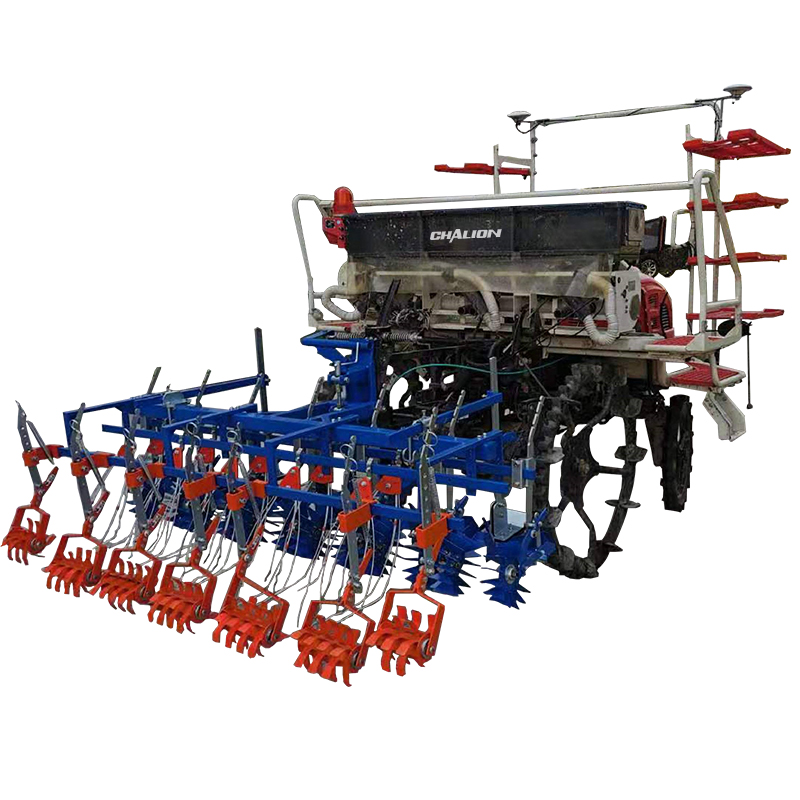
Other Plant Protection and Garden Machinery
Source specialized plant protection and garden machinery directly from vetted manufacturers. Designed for importers, agricultural distributors, and brands seeking OEM/ODM production, our selection covers niche landscaping and crop care equipment built to professional, high-volume standards.
Sourcing specialized plant protection and garden machinery—equipment that falls outside standard, highly commoditized categories—presents unique procurement challenges. Because these units often serve niche agricultural, pest control, or specialized landscaping functions, standardization across Chinese manufacturers is lower. For bulk buyers, this means technical specifications, material durability, and factory capabilities require far more scrutiny than when buying standard off-the-shelf garden tools.
Core Specifications for Niche Protection Machinery
When procuring specialized outdoor machinery, the technical baseline dictates the product's lifespan in harsh agricultural environments. Whether you are dealing with mechanized physical weed control, thermal foggers, or specialized root-zone applicators, the core components must be specified clearly to the factory.
Power Delivery and Motor Selection
The shift toward electrification is prominent, but gas-powered engines remain necessary for high-torque or remote applications. If you are sourcing battery-powered equipment, specify brushless DC (BLDC) motors. They offer higher efficiency and longer lifespans compared to brushed alternatives, which is critical for equipment running continuous duty cycles. For gas-powered machinery, ensure the engine displacement and carburetor specifications align with your target market's emissions standards (such as EPA or CARB regulations in North America, or EURO V in Europe).
Chemical Resistance and Sealing
For any machinery handling fertilizers, pesticides, or herbicides, the fluid path is the most common point of failure. Standard rubber seals will degrade rapidly. You must specify FKM (Viton) or EPDM O-rings and gaskets, depending on the specific chemical class the machinery is designed to handle.
Need help verifying factory capabilities for specialized agricultural equipment? Let's discuss your technical requirements.
Talk to our teamManufacturing Quality and Factory Vetting
Because "other" garden machinery encompasses a wide variety of designs, many suppliers in this category are actually assembly houses rather than primary manufacturers. They source motors, pumps, and housings from sub-tier suppliers and assemble them.
To ensure consistent quality across bulk orders, verifying the supplier's internal quality management system is non-negotiable. Conducting comprehensive Factory Audits helps confirm whether a supplier has the engineering depth to support your product line, or if they are simply piecing together generic market parts with no real quality oversight.
Critical In-Line Quality Checks
- Motor Load Testing: Verifying continuous operation under maximum rated load without thermal shutdown.
- Pressure and Leak Testing: Hydrostatic testing of all fluid chambers and lines at 1.5x operating pressure.
- Vibration Analysis: Ensuring rotating assemblies are balanced to prevent premature bearing failure.
- Battery Cycle Testing: For electric models, verifying BMS (Battery Management System) cutoff and thermal regulation.
If you are developing proprietary equipment or modifying existing designs for your market, robust Quality Control & Inspection protocols must be established before the first unit rolls off the line. Catching poor assembly or substituted inferior materials pre-shipment is infinitely cheaper than managing field failures.
Pricing, MOQs, and Lead Times
Because these are specialized units, production runs are typically smaller than those for mass-market consumer garden tools. Factories are less likely to hold inventory of niche components, which directly impacts lead times and Minimum Order Quantities (MOQs).
| Production Model | Typical MOQ | Average Lead Time | Tooling Costs |
|---|---|---|---|
| Standard (White Label) | 100 - 300 units | 35 - 45 days | None |
| Minor Customization (Colors/Decals) | 300 - 500 units | 45 - 60 days | Low |
| Full OEM (Custom Enclosures/Specs) | 500 - 1,000+ units | 60 - 90 days | High |
If your brand requires unique form factors or specialized functionality, engaging in OEM/ODM Services allows you to build defensible IP. However, be prepared to invest in custom injection molds for housings and specialized tooling for unique mechanical parts.
Planning a custom production run? We can help negotiate tooling costs and establish realistic production schedules.
Get a free consultationBuyer FAQ
Sourcing specialized plant protection and garden machinery requires moving past generic supplier catalogs and digging into the engineering realities of the equipment. Success in this category belongs to buyers who rigorously define their specifications, audit their assembly partners, and enforce strict pre-shipment testing.
Get Sourcing Help for Other Plant Protection and Garden Machinery
Tell us your requirements and our experts will connect you with verified manufacturers.