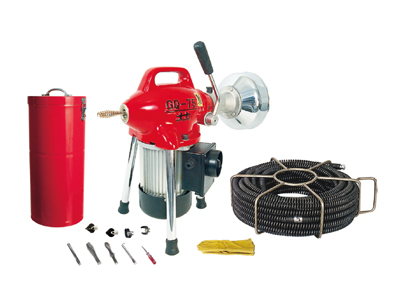
Other Pharmaceutical Machines
Source specialized and ancillary pharmaceutical machines directly from vetted manufacturers and suppliers. Designed for importers, distributors, and pharmaceutical brands requiring bulk or custom equipment, our network delivers GMP-compliant machinery built to strict industry standards.
Sourcing specialized pharmaceutical machinery—whether for niche extraction, secondary packaging, advanced sterilization, or cleanroom processing—requires strict adherence to Good Manufacturing Practices (GMP) and seamless integration with existing production lines. Because this category encompasses a wide array of ancillary and specialized equipment, the primary procurement challenge is ensuring the manufacturer can meet rigorous international validation standards and provide comprehensive documentation.
For professional buyers, success relies on specifying exact material grades, control system architectures, and validation protocols long before a purchase order is issued.
Core Specifications and Material Standards
Pharmaceutical machinery leaves zero room for material ambiguity. Cross-contamination risks mean that all product-contact and non-contact parts must be explicitly defined in your technical agreement.
When reviewing technical specifications from factories, pay close attention to the origin of critical components. While the fabrication of the stainless steel chassis may happen in Jiangsu or Zhejiang, top-tier manufacturers will utilize internationally recognized brands for pneumatics (e.g., SMC, Festo) and PLCs (e.g., Siemens, Allen-Bradley) to ensure reliability and ease of maintenance in your local market.
| Automation Level | Control Architecture | Data Integrity | Typical Application |
|---|---|---|---|
| Semi-Automated | Basic PLC & HMI | Manual or paper logging | Pilot plants, R&D, low-volume batches |
| Fully Automated | Advanced PLC with SCADA | 21 CFR Part 11 compliant audit trails | High-throughput commercial GMP facilities |
Validation Documentation and Quality Control
A machine is only as good as the documentation that proves it works. In pharmaceutical manufacturing, purchasing the equipment is only half the battle; validating it for regulatory bodies is the other. If a supplier cannot produce standard validation protocols, they are not equipped to serve regulated markets.
Essential Validation and Testing Protocols
- Factory Acceptance Test (FAT) execution with buyer or third-party presence
- Installation Qualification (IQ) and Operational Qualification (OQ) documentation
- Material test certificates for all SS316L components and FDA-approved seals
- Welding logs and surface roughness (Ra) test reports
- Software validation documentation for PLC/HMI systems
Executing a rigorous FAT is critical before the machine leaves the factory floor. Engaging professional quality control and inspection teams to oversee the FAT ensures that the equipment operates at the specified speeds, handles the required tolerances, and integrates properly with upstream/downstream equipment before final payment is released.
Need to verify a manufacturer's GMP credentials and validation capabilities?
Talk to our teamNavigating Factory Capabilities
The manufacturing hubs for pharmaceutical machinery in China are highly concentrated, primarily in coastal provinces like Zhejiang (specifically Wenzhou and Ruian) and Jiangsu. However, the technical capability between factories varies wildly.
Many facilities excel at metal fabrication but lack the in-house software engineering required for complex SCADA integration. Conducting comprehensive factory audits is essential to verify a supplier's engineering department, their historical export compliance (such as CE or UL certifications), and their internal quality management systems (ISO 9001).
Pricing, MOQs, and Lead Times
Because ancillary pharmaceutical machinery is often highly customized to fit specific facility layouts or niche product lines, pricing and lead times reflect the engineering hours required.
- Typical MOQ: 1 Set.
- Lead Times: Standard ancillary equipment typically requires 45 to 60 days. Highly customized systems requiring extensive engineering, custom tooling, or complex FAT protocols often extend to 90 to 120 days.
- Pricing Drivers: The primary cost variables are the level of automation, the origin of the electronic components, and the strictness of the regulatory documentation required. Upgrading from a domestic PLC to a fully compliant Siemens system with 21 CFR Part 11 software can increase the electrical control costs by 30 to 50 percent.
Once production is complete, managing the logistics of heavy, sensitive, and high-value machinery requires specialized handling. Vacuum-sealed, moisture-proof wooden crating is mandatory to prevent corrosion during ocean transit. Coordinating with experienced shipping and freight partners ensures the equipment clears customs smoothly and arrives at your facility undamaged.
Planning a facility upgrade or sourcing custom pharmaceutical machinery?
Get a free consultationFrequently Asked Questions
Sourcing specialized pharmaceutical machinery demands a rigorous approach to compliance, material verification, and validation documentation. By partnering with technically capable manufacturers and enforcing strict quality oversight throughout the build process, you can secure equipment that meets international regulatory standards and delivers long-term reliability.
Get Sourcing Help for Other Pharmaceutical Machines
Tell us your requirements and our experts will connect you with verified manufacturers.