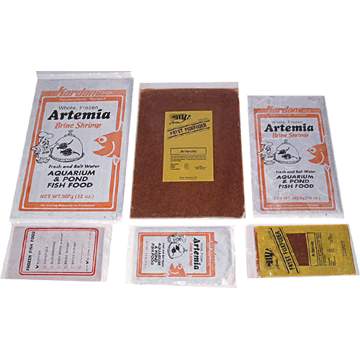
Other Pet Food
Source premium Other Pet Food from vetted manufacturers and wholesale suppliers. Designed for importers, distributors, and brands seeking OEM/private-label production, this category covers specialty diets, functional foods, and novel protein formulations built for volume sourcing and strict market compliance.
Sourcing specialty pet foods—encompassing everything from freeze-dried raw diets and functional meal toppers to exotic pet nutrition and novel insect-based proteins—requires navigating a complex matrix of ingredient traceability, specialized processing, and strict regulatory compliance. Unlike standard extruded kibble, these alternative formats demand precise control over moisture, temperature, and pathogen mitigation to ensure shelf stability and safety.
For volume buyers and private-label brands, success in this category hinges on partnering with facilities capable of executing tight technical specifications while maintaining rigorous batch-to-batch consistency.
Specialized Processing Methods and Specifications
Alternative pet foods rely heavily on non-traditional processing to preserve nutrient integrity and achieve specific textures. When evaluating a factory's capabilities, you must align their equipment infrastructure with your product's specific requirements.
Freeze-Drying (Lyophilization) vs. Air-Drying
Freeze-dried products are manufactured by freezing the raw ingredients and placing them under a vacuum to allow the ice to transition directly into vapor (sublimation). This preserves up to 98 percent of the nutritional profile but is highly energy-intensive, driving up costs. Air-drying utilizes low heat over extended periods. While more cost-effective, it requires strict monitoring of the drying curves to ensure the center of the product reaches the necessary kill-step temperatures for pathogens like Salmonella and Listeria.
Need to verify a supplier's freeze-drying capabilities and safety protocols? Let our experts audit their production lines.
Get a free consultationQuality Control and Compliance Standards
The regulatory landscape for specialty pet food is unforgiving. Whether you are formulating to AAFCO guidelines for the US market or FEDIAF standards for Europe, your manufacturer must have robust Hazard Analysis and Critical Control Point (HACCP) systems in place.
Because alternative pet foods often utilize raw or lightly processed animal proteins, pathogen control is the primary sourcing risk. Relying solely on final-product testing is insufficient; you need comprehensive Quality Control & Inspection throughout the production cycle.
Critical Factory Audit Points for Specialty Pet Food
- Segregation of raw and finished goods to prevent cross-contamination.
- Validated kill-step documentation for all low-temperature dehydrated products.
- Cold chain integrity for raw meat storage prior to processing.
- In-house laboratory capabilities for lot-by-lot pathogen and moisture testing.
- Certifications such as BRCGS, SQF, or ISO 22000 specific to pet food manufacturing.
Furthermore, if your product makes specific functional claims (e.g., "hypoallergenic" or "supports joint health"), you must ensure the factory can provide accurate nutritional analysis. Engaging third-party Compliance & Testing services is essential to verify label claims before the goods leave the country of origin.
Buying Mechanics: MOQ, Pricing, and Lead Times
Sourcing specialized pet food at scale involves balancing custom formulations against production minimums. Facilities optimized for novel proteins or complex freeze-drying processes have distinct operational economics compared to standard extrusion plants.
- Minimum Order Quantities (MOQs): For off-the-shelf, white-label formulations, MOQs typically range from 500kg to 1,000kg. However, if you are utilizing OEM/ODM Services for a proprietary recipe or custom protein blend, expect MOQs to start between 2,000kg and 5,000kg to justify the required line clean-out and batch mixing minimums.
- Pricing Drivers: The primary cost variables are the raw material grade (e.g., human-grade vs. feed-grade proteins), the processing method (freeze-drying is significantly more expensive than air-drying), and packaging complexity (such as nitrogen-flushed, high-barrier resealable pouches).
- Lead Times: Initial custom production runs generally require 45 to 60 days to account for ingredient sourcing, pilot batch testing, and packaging printing. Repeat orders typically stabilize at 30 to 40 days.
Ready to scale your private-label pet food line? We negotiate pricing and manage production schedules with top-tier manufacturers.
Talk to our teamFrequently Asked Questions
Successfully sourcing alternative pet food requires more than just finding a factory with the right equipment; it demands uncompromising oversight of ingredient supply chains and thermal processing data. By verifying technical capabilities and enforcing strict quality standards early, you protect your brand from costly recalls and build a resilient, scalable product line.
Get Sourcing Help for Other Pet Food
Tell us your requirements and our experts will connect you with verified manufacturers.