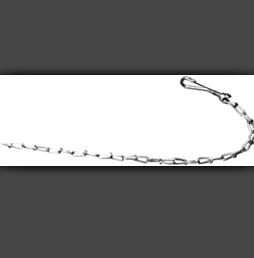
Other Pet Collars, Leashes & Harnesses
Source bulk Other Pet Collars, Leashes & Harnesses from vetted manufacturers and suppliers. Designed for importers, distributors, and pet brands seeking wholesale pricing or OEM/private-label production. Ensure reliable hardware, durable materials, and consistent quality across your custom pet gear supply chain.
When sourcing specialized pet collars, leashes, and harnesses—encompassing tactical K9 gear, hands-free running systems, LED-integrated safety wear, and heavy-duty training equipment—standard metrics like basic nylon thickness are no longer sufficient. Buyers in this category must navigate complex specifications involving load-bearing hardware, advanced material coatings, and sometimes electronic component integration. The core sourcing challenge lies in balancing high tensile strength with specialized functionality, ensuring the factory can execute both heavy-duty stitching and precision assembly.
Material Specifications and Tensile Strength
For specialized pet gear, the baseline material dictates the product's lifespan and safety rating. High-performance applications require specific webbing types and hardware alloys to prevent catastrophic failure under sudden load.
| Material Type | Typical Tensile Strength | Primary Application | Key Sourcing Consideration |
|---|---|---|---|
| High-Density Nylon (1000D) | Over 1,500 lbs | Tactical & Training Gear | Requires heavy-duty bar tack stitching |
| TPU/PVC Coated Webbing | 700 - 1,200 lbs | Waterproof / Odor-proof Gear | Check for coating adhesion and edge finishing |
| Tubular Webbing | Over 2,000 lbs | Bungee / Shock-absorbing Leashes | Core elasticity degradation over time |
| Reflective/LED Integrated | 400 - 800 lbs | Night Safety Gear | Battery housing water resistance (IP rating) |
Hardware Load-Bearing Requirements
A collar or leash is only as strong as its weakest connection point. Standard zinc alloy hardware is prone to snapping under sudden heavy loads or extreme cold. For large breed or tactical gear, specify aviation-grade aluminum, stainless steel (304 or 316), or brass. Ensure the factory conducts dynamic drop testing, not just static pull testing, to simulate a dog lunging.
Need help verifying factory material certifications and hardware load capacities? Let our sourcing experts handle the technical vetting.
Talk to our teamManufacturing Tolerances and Quality Control
The manufacturing floor is where design integrity is either maintained or compromised. In specialized pet restraints, failure points almost always occur at the stitching or the hardware attachment loops.
Implementing rigorous Quality Control & Inspection is non-negotiable for high-liability products like tactical harnesses or heavy-duty leashes.
Critical QC Checkpoints for Specialized Pet Restraints
- Stitch Pattern Verification: Ensure automated bar tack or Box-X stitching at all hardware connection points.
- Thread Denier: Verify the use of bonded nylon or Kevlar thread for high-stress seams.
- Hardware Plating Adhesion: Test for rust resistance and electroplating flaking using salt spray tests.
- Electronic Housing (if applicable): Verify IP65 or IP67 ratings for LED/GPS collar battery compartments.
- Edge Finishing: Check that all webbing cut ends are heat-sealed to prevent fraying without leaving sharp, abrasive edges.
OEM/ODM Customization and Molds
Brands looking to differentiate often require custom hardware shapes, proprietary webbing patterns, or unique buckle mechanisms. Engaging in OEM/ODM Services requires careful management of tooling costs and IP protection.
Custom hardware molds (e.g., proprietary aluminum quick-release buckles) typically require a CNC tooling investment. When negotiating these custom components, specify who owns the mold after the production run and ensure the factory has the capability to maintain tight tolerances on moving parts to prevent accidental release.
Typical Pricing, MOQs, and Lead Times
Specialized gear commands higher manufacturing costs due to the specialized machinery (heavy-duty sewing machines, ultrasonic welders for TPU) and premium materials required.
Note: MOQs can often be negotiated down for the first trial order if you are using the factory's stock webbing colors and standard hardware, focusing customization purely on woven labels or rubber logo patches.
Struggling with high MOQs on custom pet gear? We can help consolidate orders and negotiate better terms with specialized manufacturers.
Get a free consultationRegulatory Compliance and Safety Testing
While pet products are generally less regulated than human products, liability remains a significant concern for importers. If you are importing LED collars or gear with electronic components into the US or EU, you must ensure compliance with RoHS, CE, or FCC regulations. Partnering with a firm that manages Compliance & Testing ensures your products won't be held up at customs or expose your brand to liability.
Sourcing specialized pet collars, leashes, and harnesses requires a deep understanding of material science, load dynamics, and factory capabilities. Moving beyond basic pet supplies into high-performance or tech-integrated gear means your supply chain must be bulletproof. Focus on verifying hardware integrity and stitching quality early in the sampling process to mitigate risk and build a reliable product line.
Get Sourcing Help for Other Pet Collars, Leashes & Harnesses
Tell us your requirements and our experts will connect you with verified manufacturers.