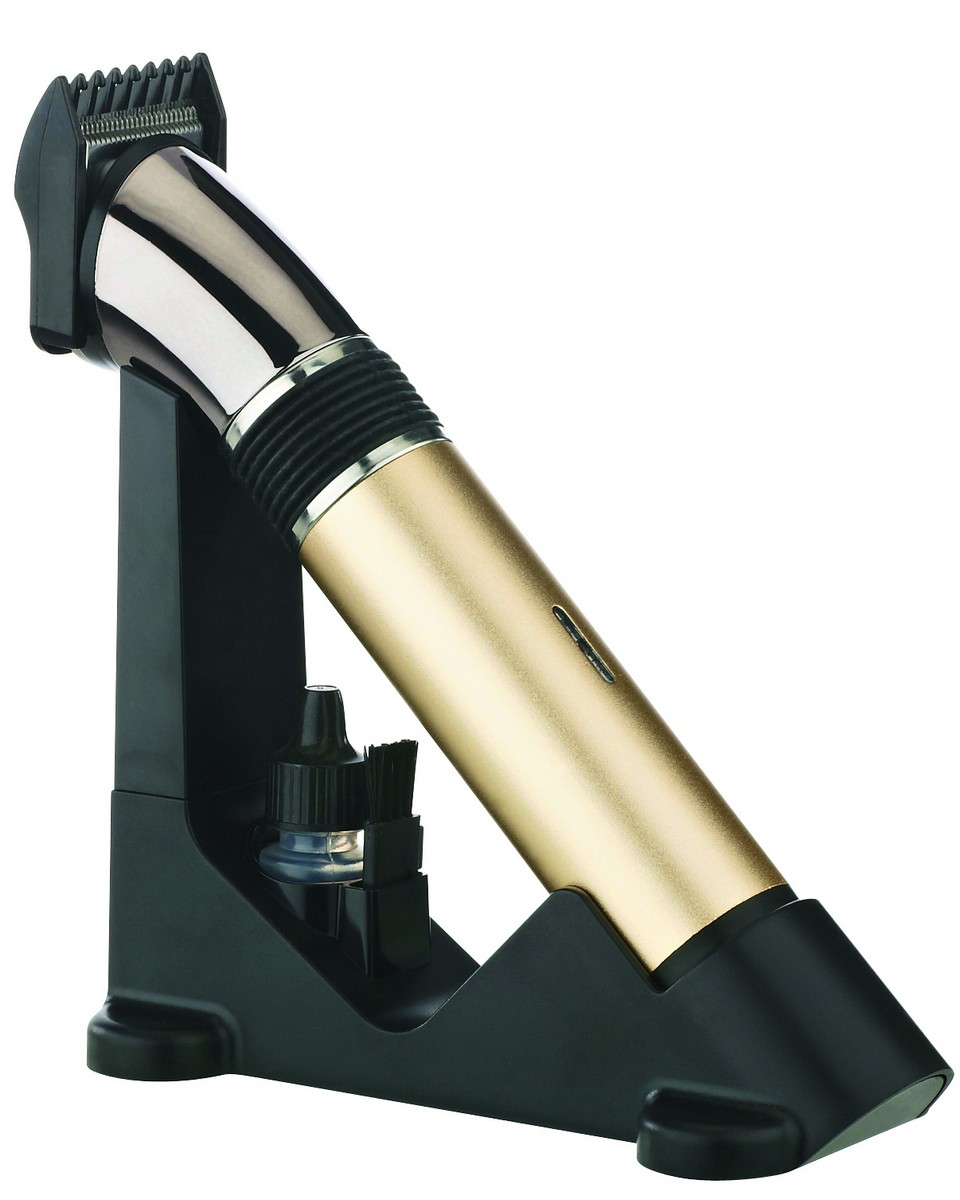
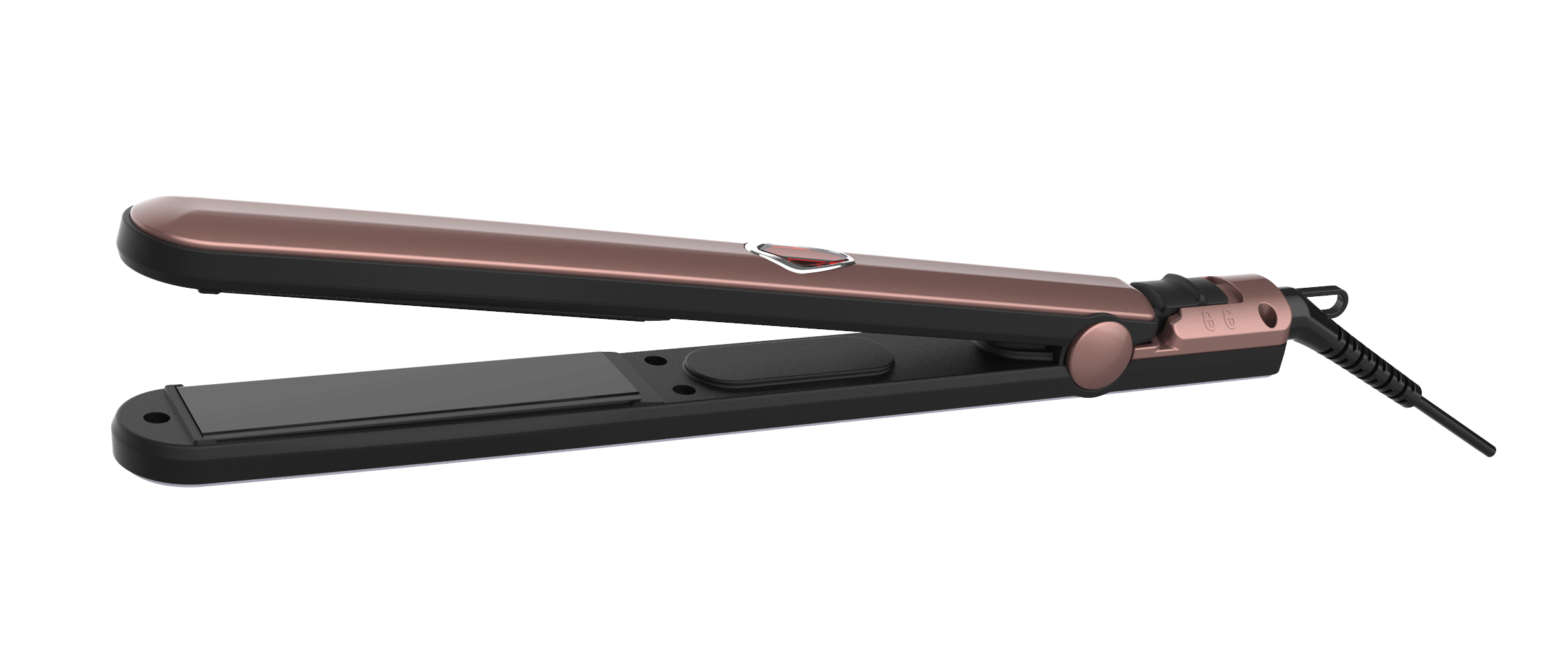
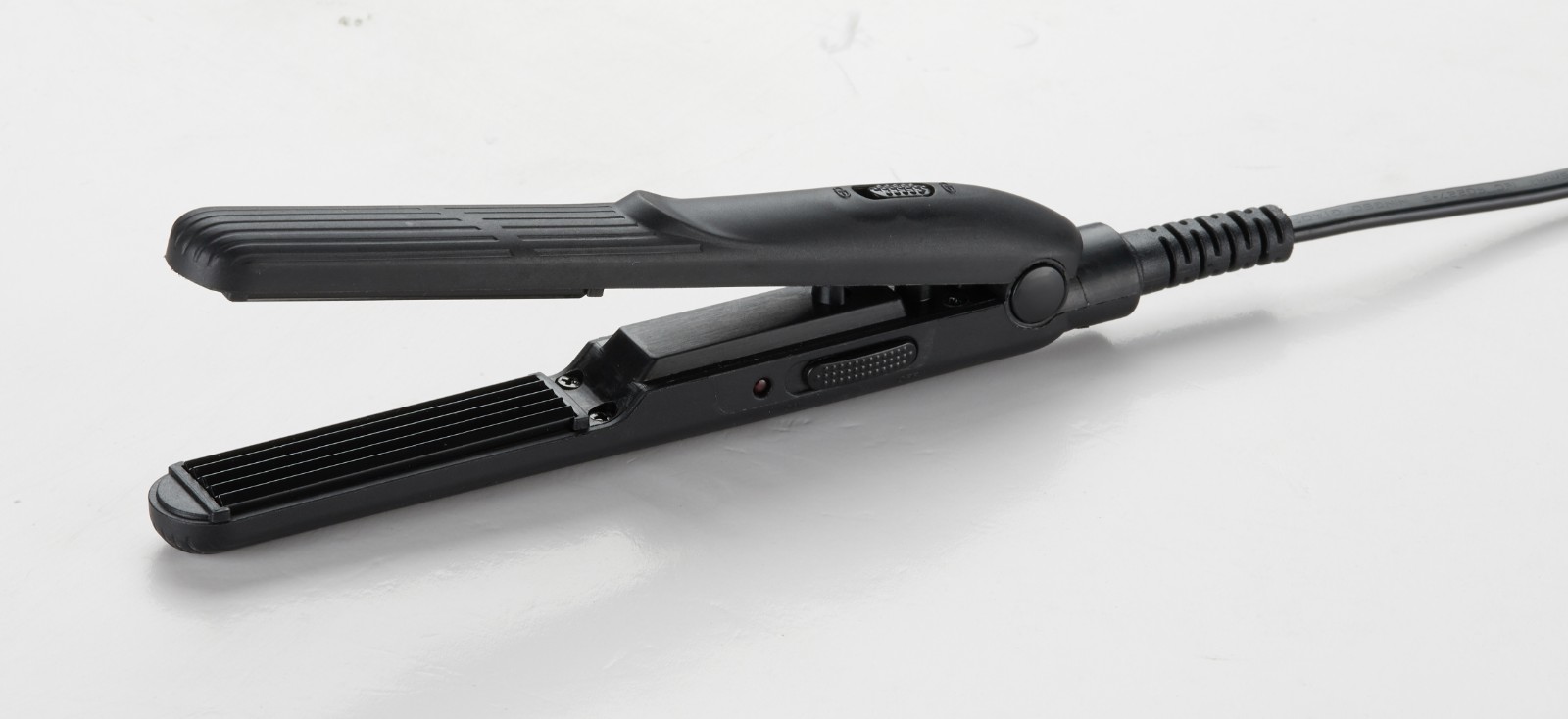
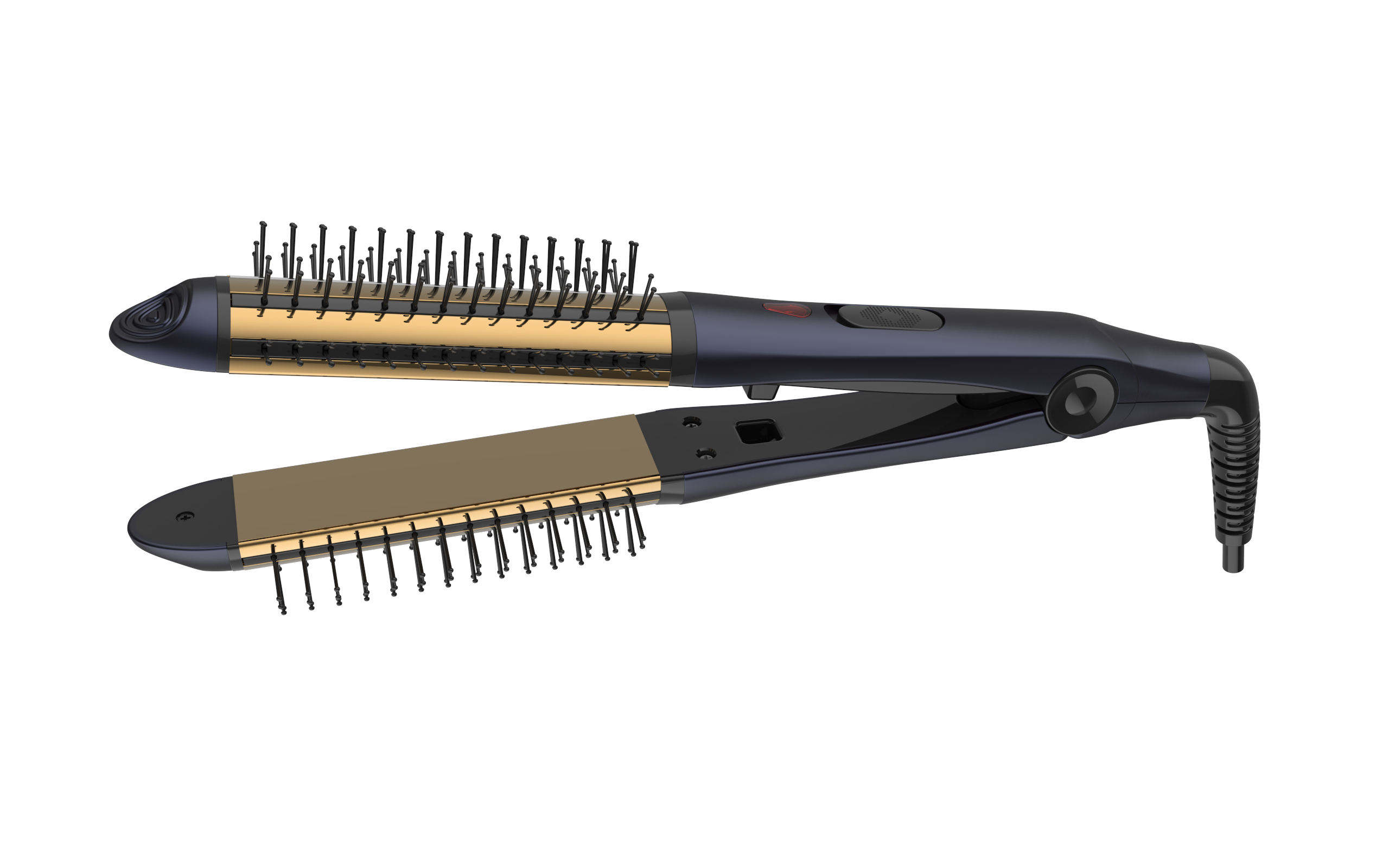
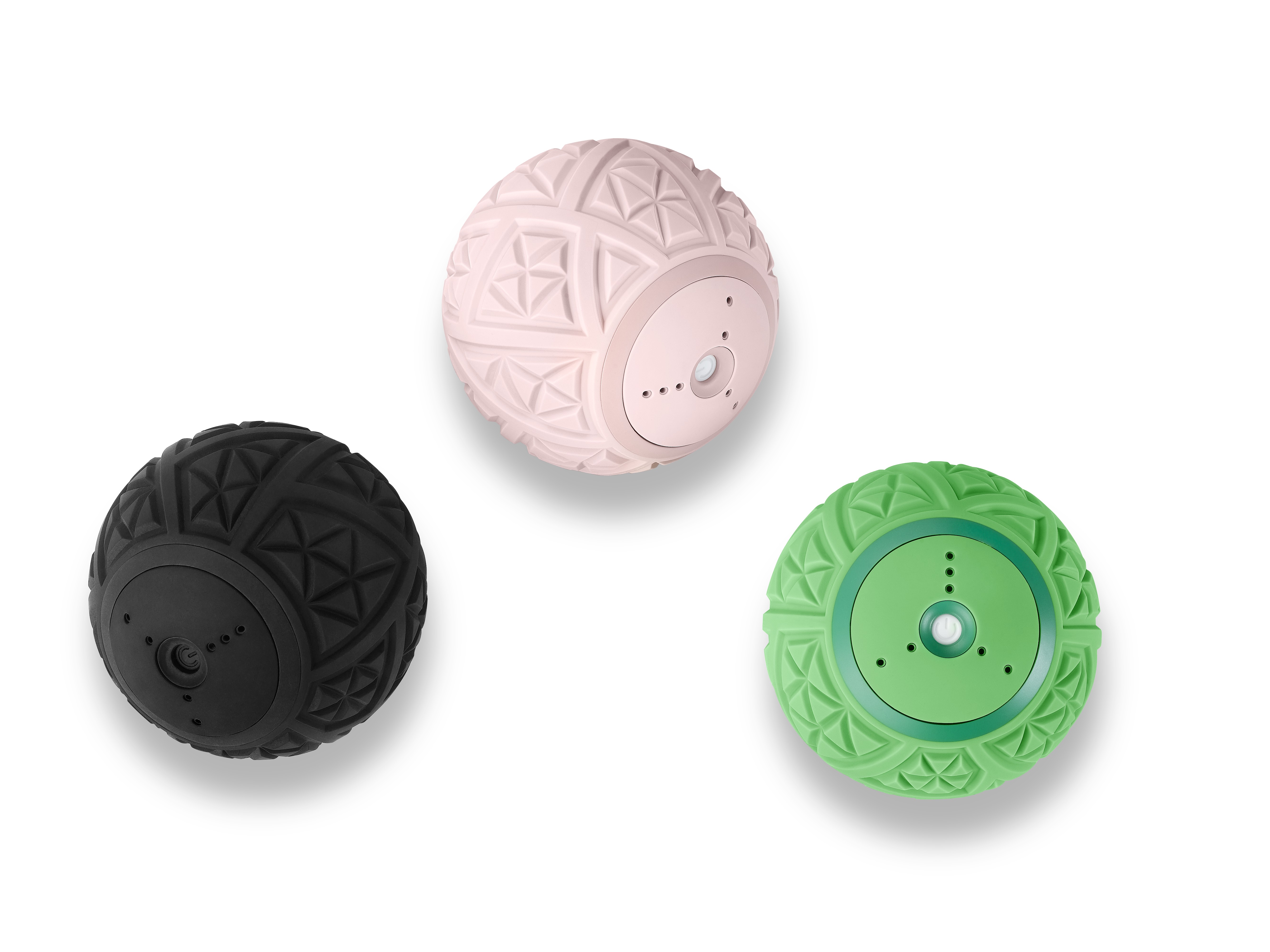
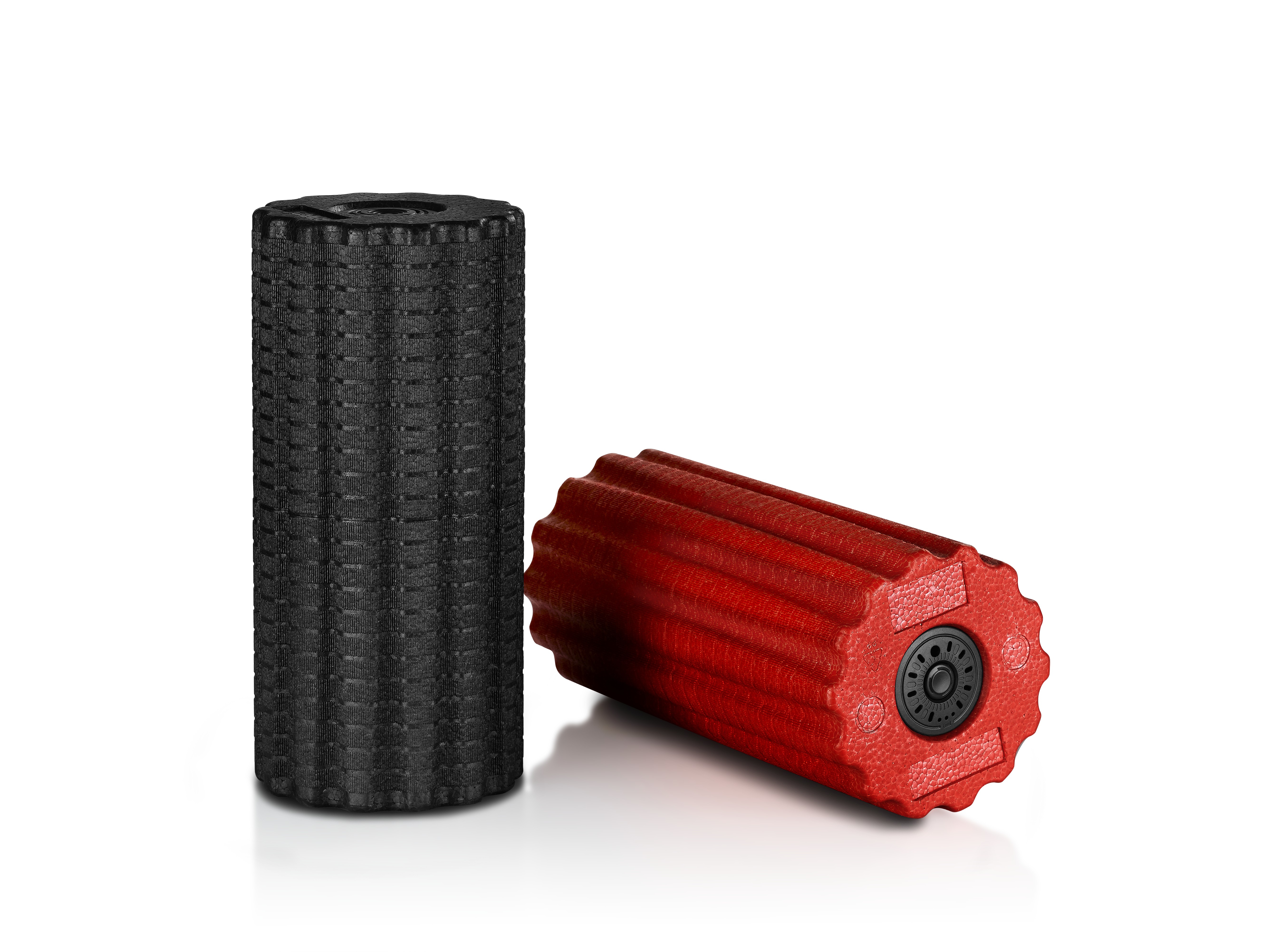
Other Personal Care Products
Source Other Personal Care Products from vetted manufacturers and suppliers in Asia. Designed for importers, wholesalers, distributors, and brands seeking OEM or private-label production, this catalog covers specialized electrical personal care devices built to strict quality, safety, and international compliance standards.
Sourcing specialized or emerging electrical personal care devices requires navigating a fragmented manufacturing landscape. Because these products often fall outside traditional legacy categories, factory capabilities vary wildly. The primary sourcing challenge is ensuring that niche devices—whether they rely on micro-motors, precise heating elements, or specialized skin-contact materials—meet the same rigorous durability and safety standards as mainstream appliances.
Critical Specifications for Electrical Personal Care Devices
When drafting your Request for Quotation (RFQ) for niche personal care electronics, precision is non-negotiable. Relying on a factory's "standard" off-the-shelf specifications often results in high defect rates, particularly regarding battery life and water resistance.
| Component / Spec | Standard Retail | Premium / Professional Grade |
|---|---|---|
| Motor Technology | Brushed DC (prone to wear, louder) | Brushless DC (BLDC) (quiet, high lifespan) |
| Battery Chemistry | NiMH or standard Li-ion (under 1000 mAh) | High-density Li-Polymer (over 2000 mAh) |
| Housing Material | Standard ABS plastic | Polycarbonate (PC) or Medical-grade Silicone |
| Waterproofing | IPX4 (splash resistant) | IPX7 (fully submersible) |
Skin-Contact Materials and Biocompatibility
For devices that come into direct contact with the skin, material safety is a primary liability vector. Plastics and silicones must be free of phthalates and BPA. If the device uses metallic nodes or treatment heads, specify 304 or 316L stainless steel to prevent oxidation and allergic reactions. Ensure your supplier can provide raw material certificates (RoHS, REACH) rather than just final-product compliance claims.
Developing a custom personal care device? Let us help you vet factories with proven expertise in skin-safe materials and precision electronics.
Talk to our teamManufacturing Quality Control and Common Defects
The assembly of compact personal care electronics involves tight tolerances. Failures usually occur at the intersection of moving parts, moisture seals, and power delivery. Implementing rigorous Quality Control & Inspection protocols during and after production is vital.
The Waterproofing Trap
Many suppliers claim IPX7 ratings based on prototype designs, but fail to maintain the strict assembly line tolerances required for rubber gaskets and ultrasonic welding in mass production. Always mandate routine IPX testing on random samples from the actual production run.
Essential In-Line and Pre-Shipment Checks
- Ultrasonic weld integrity: Inspecting housing seams for micro-cracks that compromise water resistance.
- Battery thermal testing: Ensuring the device does not exceed safe temperature thresholds during continuous operation.
- Motor load testing: Verifying RPM stability under simulated physical resistance.
- Acoustic testing: Measuring decibel (dB) output to ensure the motor operates within acceptable noise limits.
- Drop testing: Validating the durability of internal PCB mounts and battery brackets from standard heights (e.g., 1 meter).
Compliance and Regulatory Testing
Electrical devices used on the body attract heavy regulatory scrutiny. You must ensure the factory understands the target market's specific requirements. Standard electrical safety certifications (CE, FCC, UL/ETL for chargers) are the baseline.
If the device makes any physiological or health-related claims, it may cross into medical device territory, requiring FDA registration in the US or MDR compliance in Europe. Partnering with specialists for Compliance & Testing early in the sourcing process prevents costly customs seizures or product recalls.
MOQs, Lead Times, and OEM/ODM Dynamics
Pricing and minimum order quantities (MOQs) in this category depend heavily on the level of customization.
When utilizing OEM/ODM Services for a new concept, factor in tooling costs. Injection molds for compact personal care devices typically range from $3,000 to $8,000 depending on the number of cavities and surface finishes (e.g., soft-touch coatings or metallic plating). Establish clear ownership of the molds in your manufacturing agreement before transferring any funds.
Need to negotiate mold ownership, MOQs, or production terms? We manage the entire supplier relationship to protect your intellectual property and margins.
Get a free consultationFrequently Asked Questions
Successfully sourcing specialized personal care electronics requires looking past the glossy prototype and auditing the factory's internal quality systems, component sourcing networks, and assembly precision. When you control the specifications down to the motor type and battery chemistry, you eliminate the gray areas where quality typically slips.
Get Sourcing Help for Other Personal Care Products
Tell us your requirements and our experts will connect you with verified manufacturers.