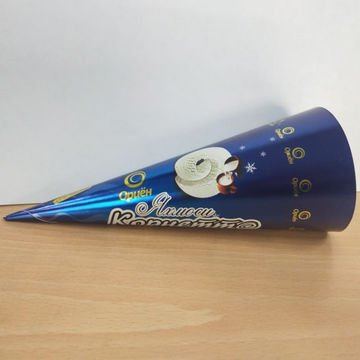
Other Paper Packaging
Source specialized and custom Other Paper Packaging directly from vetted manufacturers and suppliers. Designed for importers, wholesalers, and brands seeking reliable bulk production or OEM/private-label solutions, our network delivers structural integrity, exact specifications, and scalable manufacturing.
When standard boxes and bags cannot meet a product's requirements, buyers turn to specialized paper packaging solutions. This category encompasses custom structural inserts, molded pulp forms, honeycomb wrappers, die-cut sleeves, and unique paperboard constructs. Because these items often serve highly specific protective or aesthetic functions, the sourcing challenge shifts from simple volume purchasing to managing custom tooling, precise die-lines, and structural integrity under load.
Translating a unique structural concept into a scalable, mass-produced paper product requires factories with advanced die-cutting capabilities and rigorous moisture control.
Defining Specifications for Custom Paper Packaging
Success in specialized paper packaging requires precise material specifications. A minor deviation in paper grade or moisture content can cause protective inserts to collapse or custom sleeves to tear during automated fulfillment.
- Basis Weight (GSM) and Caliper: Specify both. While GSM (grams per square meter) dictates density, caliper (measured in points or millimeters) dictates thickness and rigidity. A 300 GSM Kraft board may have a different caliper than a 300 GSM coated bleached kraft (SBS), altering the fold dynamics.
- Fiber Orientation (Grain Direction): For custom sleeves and folded inserts, the grain direction must align with the primary folds. Cross-grain folding leads to cracking and weakened structural integrity.
- Coatings and Treatments: If the packaging requires moisture resistance or greaseproofing, specify the exact barrier coating (e.g., aqueous, PE, or compostable PLA). Ensure these coatings align with your target market's environmental regulations.
Struggling to translate a complex packaging concept into factory-ready specifications? Let us help you engineer a reliable, scalable solution.
Talk to our teamManufacturing Tolerances and Quality Control
The production of non-standard paper packaging often involves custom tooling, complex die-cutting, and specialized gluing processes. When sourcing these items, particularly through OEM/ODM Services, your quality control protocol must be tailored to the specific structural risks of the design.
Critical Factory-Floor Checks for Custom Paper Packaging
- Die-Cut Registration: Verify that cut lines and score lines align perfectly with any printed graphics, with tolerances typically under 1.0mm.
- Score Depth: Ensure score lines are deep enough to allow clean folds without cracking the board or the coating.
- Moisture Content: Test the final product for a moisture content between 5 percent and 8 percent; excessive moisture causes warping, while overly dry paper becomes brittle.
- Glue Adhesion: Conduct tear tests on glued seams to ensure the paper fiber tears before the glue fails.
- Nesting and Stacking: For molded pulp or tapered forms, verify that the items nest correctly to optimize shipping volume without jamming.
Catching these issues requires comprehensive Quality Control & Inspection before the goods are containerized. Once custom packaging is shipped, structural defects are generally unrecoverable.
Pricing Drivers, MOQs, and Lead Times
Because "Other Paper Packaging" relies heavily on custom designs, the economics differ from off-the-shelf commodities. Pricing is heavily influenced by tooling costs, material waste during die-cutting, and the complexity of the assembly.
Managing Tooling and Setup Costs
For unique structural designs, factories will charge a tooling fee for custom cutting dies or molded pulp molds. While die-cutting molds for paperboard are relatively inexpensive, aluminum molds for high-precision molded pulp can be significant. Volume buyers should negotiate tooling amortization—where the factory rebates the mold cost after a certain order volume is reached.
Furthermore, complex shapes often result in higher material scrap rates. Working with a factory's engineering team to optimize the die-line layout on the master sheet can significantly reduce your per-unit material costs.
Need to optimize your custom packaging costs? We negotiate tooling fees and material pricing directly with capable manufacturers.
Get a free consultationSourcing specialized and custom paper packaging requires a deep understanding of structural design, material science, and factory capabilities. By focusing on precise specifications and rigorous quality control, you can secure packaging that protects your product and elevates your brand without suffering costly production delays.
Get Sourcing Help for Other Paper Packaging
Tell us your requirements and our experts will connect you with verified manufacturers.