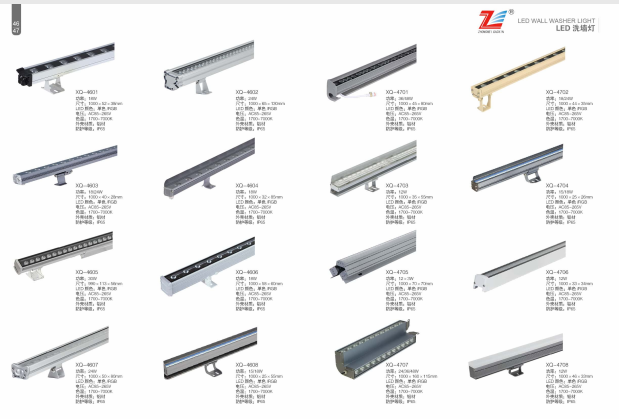
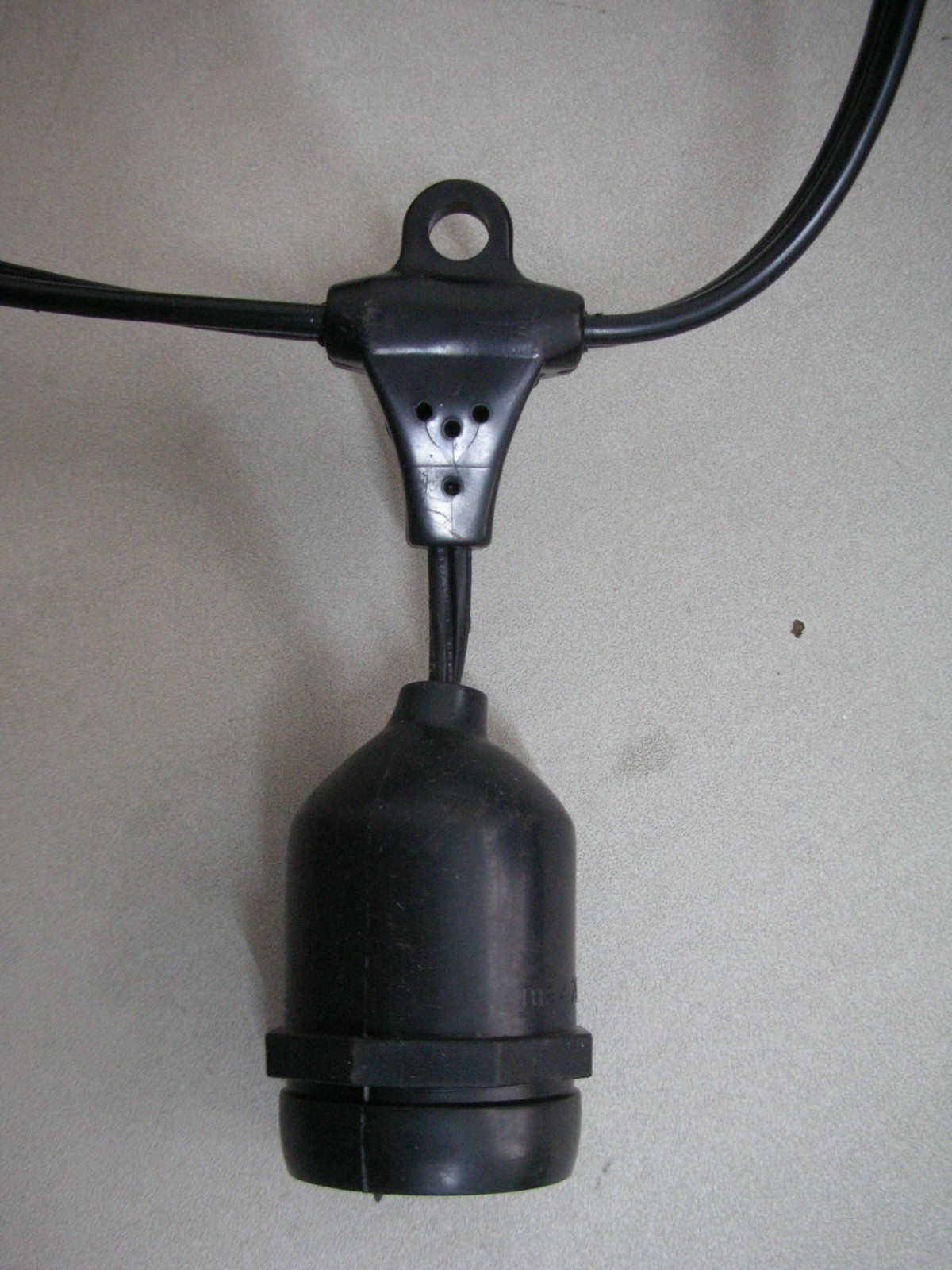
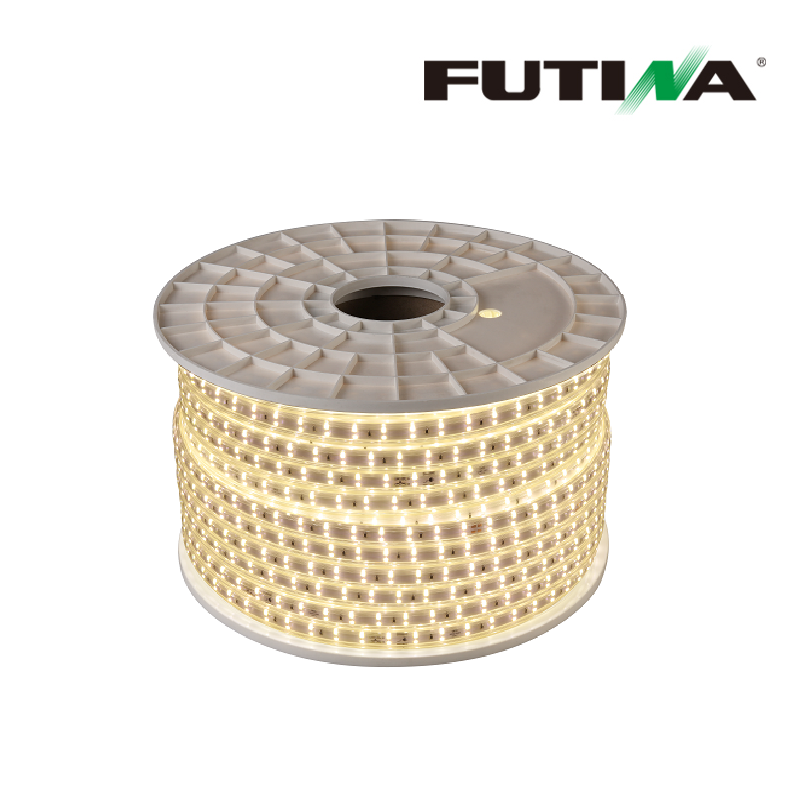
Other Outdoor Lighting
Source specialized and miscellaneous Other Outdoor Lighting directly from vetted manufacturers. Designed for importers, wholesalers, and brands seeking OEM/ODM production, this selection covers niche exterior luminaires. Ensure high IP ratings, reliable drivers, and compliance for your bulk orders.
Sourcing non-standard or specialized outdoor lighting requires navigating a complex landscape of component quality and environmental durability. When evaluating niche or miscellaneous exterior luminaires, the primary challenge isn't just finding a unique design—it is ensuring the fixture can survive thermal stress, moisture ingress, and severe UV exposure over a 50,000-hour lifespan without premature failure.
Critical Specifications for Exterior Environments
Because "other" outdoor lighting encompasses a wide variety of form factors—from specialized architectural accents to custom landscape fixtures—standardizing your Bill of Materials (BOM) is crucial. A luminaire's survival depends on housing integrity, thermal management, and electrical protection.
- Ingress and Impact Protection: IP65 is the absolute baseline for outdoor use, but IP67 or IP68 is necessary for fixtures exposed to heavy rain, ground moisture, or temporary submersion. IK ratings (IK08 to IK10) should be specified if the fixtures will be installed in high-traffic public areas.
- Surge Protection: Outdoor grids are volatile. Ensure the LED driver includes built-in surge protection of at least 4kV, with 10kV highly recommended for commercial or industrial applications.
- Thermal Management: LED degradation accelerates rapidly in hot environments. The housing must act as an effective heat sink. Specify the exact weight and grade of the die-cast aluminum (e.g., ADC12) to prevent suppliers from hollowing out the heat sink to save on material costs.
| Housing Material | Corrosion Resistance | Thermal Conductivity | Best Application |
|---|---|---|---|
| Die-Cast Aluminum (ADC12) | Moderate (requires powder coating) | Excellent | High-wattage fixtures, architectural lighting |
| 316L Stainless Steel | Excellent | Moderate | Coastal or highly corrosive environments |
| UV-Stabilized Polycarbonate | High (immune to rust) | Poor | Low-wattage accents, corrosive environments |
Struggling to verify supplier claims on IP ratings and salt-spray resistance? Let us handle the factory vetting and technical validation.
Talk to our teamManufacturing Vulnerabilities and Quality Control
The factory floor is where a well-designed fixture can be compromised. Many suppliers will present a high-quality "golden sample" but substitute cheaper components during mass production.
A common failure point is the sealing method. High-quality outdoor lighting relies on custom-molded silicone gaskets and, in many cases, polyurethane potting compounds to seal the driver compartment. Cheaper alternatives use rubber gaskets that degrade under UV light or temperature fluctuations, leading to moisture ingress.
Conducting thorough quality control is non-negotiable. Pre-shipment inspections must include specific tests rather than just visual checks.
Essential QC Checks for Outdoor Lighting
- Verify LED driver brand and model against the approved BOM (e.g., Mean Well, Inventronics).
- Conduct high-pot (dielectric withstand) testing to ensure electrical safety.
- Perform water immersion or spray testing to validate IP ratings on a sample batch.
- Check powder coating thickness (minimum 60-80 microns) to ensure corrosion resistance.
- Review integrating sphere test reports for CCT, CRI, and lumen output consistency.
Before committing to a large order, utilizing factory audits ensures the manufacturer actually possesses the necessary testing equipment, such as aging rooms, salt-spray chambers, and integrating spheres, rather than outsourcing these critical steps.
Customization and OEM/ODM Integration
If you are developing a proprietary lighting fixture, selecting a supplier with robust engineering capabilities is vital. Modifying existing molds (ODM) or tooling entirely new designs (OEM) requires precise communication regarding thermal dissipation and optical lens design.
When utilizing OEM/ODM services, ensure you own the molds upon completion and that the factory signs a strict NNN (Non-Disclosure, Non-Use, Non-Circumvention) agreement. Demand prototype testing for thermal performance before approving mass production tooling.
Pricing, MOQs, and Lead Times
Pricing in outdoor lighting is highly elastic, driven primarily by the LED chip brand (e.g., Cree, Osram vs. domestic alternatives), the driver, and the raw weight of the aluminum housing.
Be wary of quotes that are significantly below market average; this almost always indicates a reduction in aluminum weight, a downgraded driver, or skipped aging tests.
Need accurate pricing and MOQ negotiations for your custom outdoor lighting project? We manage the procurement process from RFQ to final delivery.
Get a free consultationFrequently Asked Questions
Ultimately, the durability of outdoor lighting is hidden inside the housing—in the weight of the heat sink, the quality of the driver, and the integrity of the gaskets. Securing reliable production means controlling the BOM down to the component level and enforcing strict testing standards on the factory floor. If you need experienced oversight to manage this process, our team is ready to help you execute your next sourcing program.
Get Sourcing Help for Other Outdoor Lighting
Tell us your requirements and our experts will connect you with verified manufacturers.