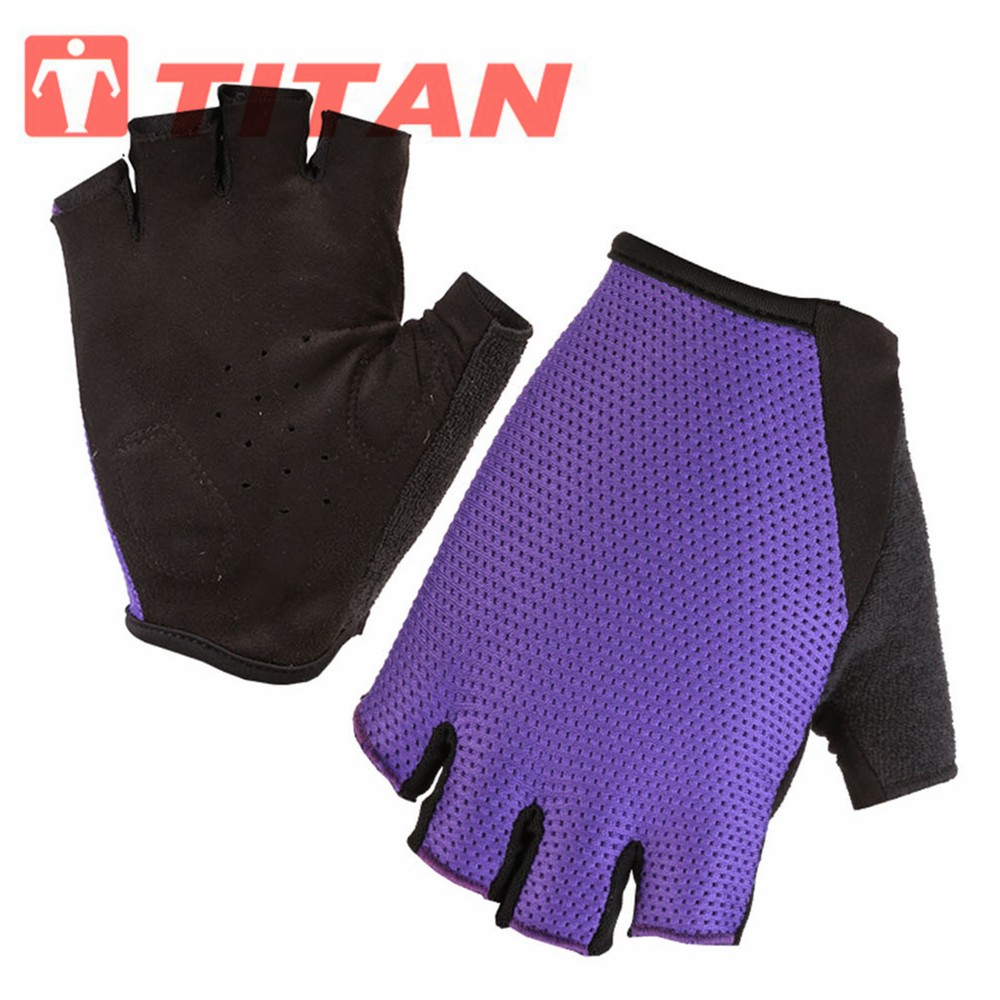
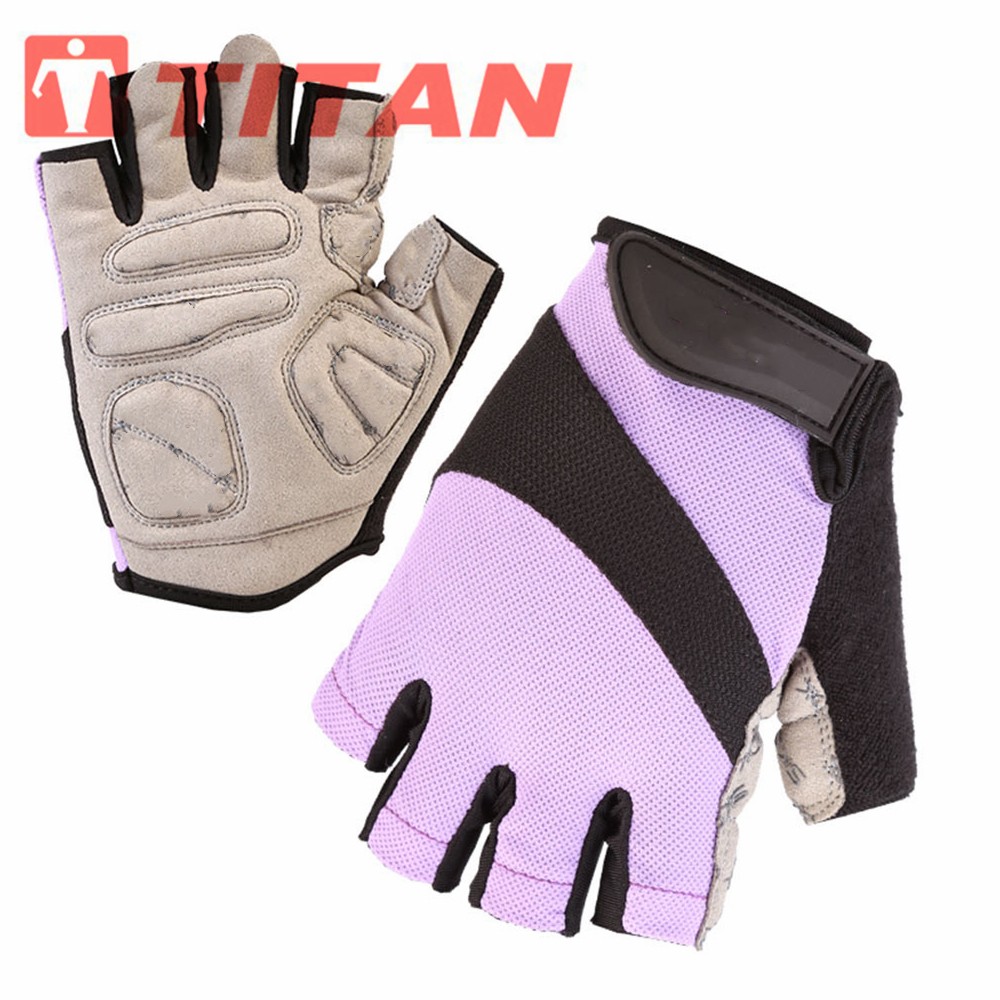
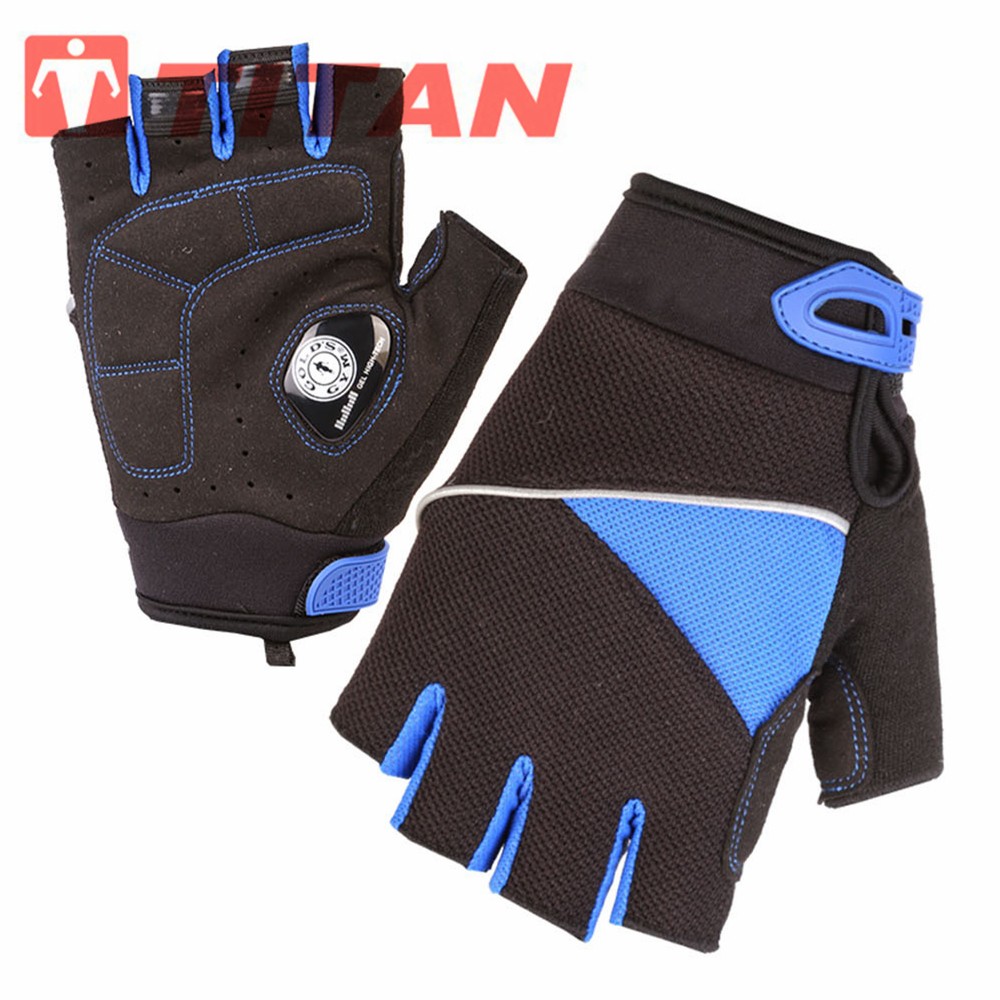
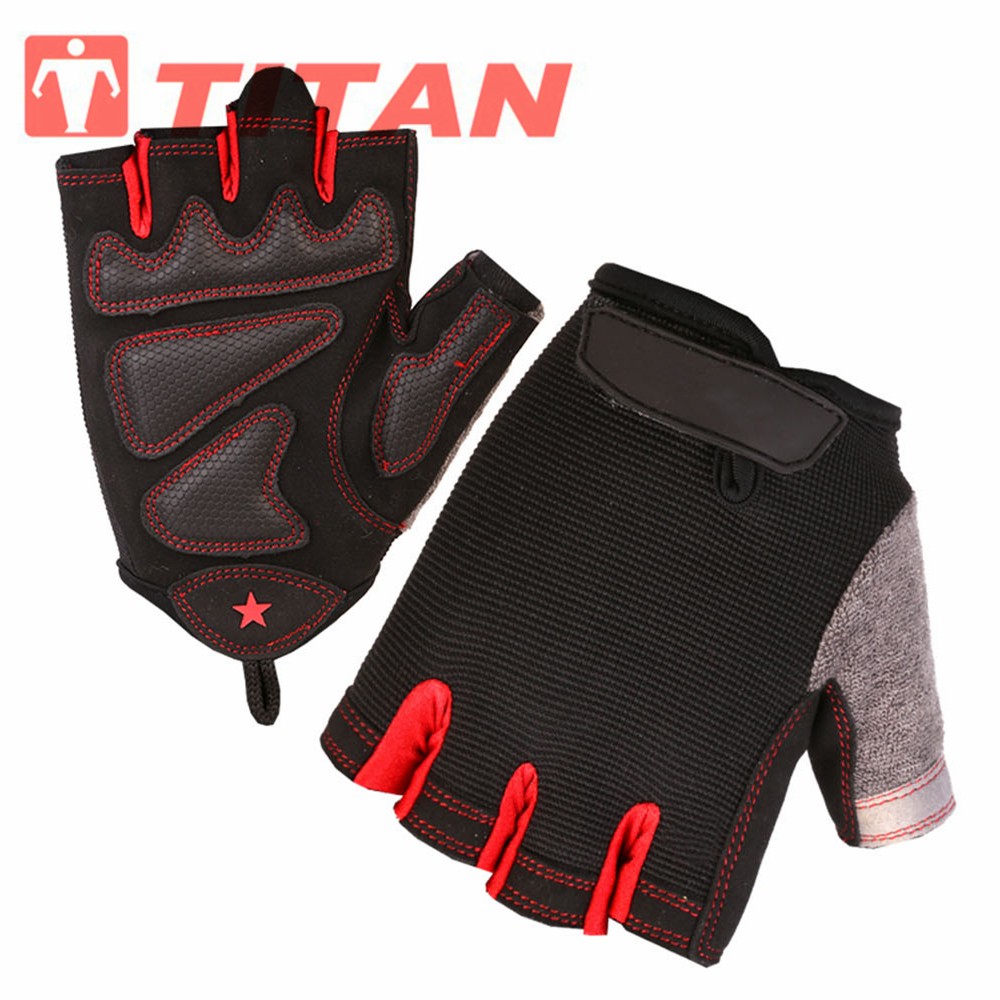
Other Outdoor and Cycling Accessories
Source premium Other Outdoor and Cycling Accessories directly from vetted manufacturers and wholesale suppliers. Designed for importers, distributors, and brands seeking OEM/ODM production, our network delivers reliable, high-volume manufacturing for specialized gear and equipment.
Sourcing miscellaneous outdoor and cycling accessories often presents a unique procurement challenge: the sheer diversity of materials and production methods required. Unlike a dedicated bicycle frame or apparel line, an accessory catalog can encompass everything from CNC-machined alloy mounts and injection-molded composite brackets to high-frequency welded waterproof textiles and high-visibility safety gear. Managing this fragmentation requires a deep understanding of multi-material manufacturing and rigorous supplier vetting.
Material Specifications and Manufacturing Processes
The quality of outdoor and cycling accessories is dictated by the factory's core competency in specific manufacturing processes. A supplier excelling in metal fabrication may struggle with technical textiles, making it critical to align your product specifications with the right facility.
| Material / Process | Typical Applications | Key Quality Indicators | Common Defect Risks |
|---|---|---|---|
| Injection Molded Plastics (PC, ABS, Nylon 6/6) | Brackets, hard cases, mounting hardware | Uniform wall thickness, UV stability | Sink marks, warping, flash on parting lines |
| CNC Machined Alloys (Aluminum 6061/7075) | Precision mounts, multi-tools, adapters | Anodization depth (Class II/III), tight tolerances | Tooling chatter marks, inconsistent anodizing color |
| Technical Textiles (TPU-coated Nylon, Hypalon) | Straps, protective covers, specialized bags | Seam tape integrity, denier rating, water resistance | Delamination, weak bar-tacking, uneven stitching |
When developing custom accessories, tooling is your primary upfront investment. Ensure that your CAD files account for draft angles in molded parts and that you explicitly define the surface finish (e.g., SPI standards for plastics, Ra values for metals) before cutting steel.
Navigating complex multi-material supply chains? Let our sourcing experts identify and qualify the right factories for your specific accessory line.
Talk to our teamQuality Control and Environmental Testing
Outdoor and cycling accessories are subjected to harsh environmental conditions: constant UV exposure, road salt, moisture, and high-frequency vibration. Factory-level testing must simulate these stressors to prevent field failures. Implementing rigorous Quality Control & Inspection protocols before shipment is non-negotiable.
Critical Inspection Points for Outdoor Accessories
- UV Resistance Testing: Ensuring plastics and textiles do not become brittle or fade after prolonged sunlight exposure.
- Salt Spray Testing (ISO 9227): Verifying the corrosion resistance of metal hardware, screws, and alloy components.
- Vibration and Drop Testing: Confirming that mounts and brackets maintain their grip under dynamic road or trail conditions.
- Tensile Strength: Testing straps, bungees, and load-bearing textiles to failure to ensure they meet specified weight ratings.
If you are importing into heavily regulated markets, you must also verify chemical compliance. Plastics and coatings should be tested for REACH and RoHS compliance to ensure they are free of restricted heavy metals and phthalates. Utilizing professional Compliance & Testing services mitigates the risk of customs seizures and costly recalls.
Sourcing Dynamics: MOQs, Tooling, and Pricing
Pricing for miscellaneous accessories is highly dependent on whether you are purchasing off-the-shelf white-label items or investing in custom OEM/ODM Services.
Managing Tooling Costs and Ownership
For custom injection-molded or die-cast accessories, tooling costs can range from a few hundred dollars for simple single-cavity molds to several thousand for complex, multi-cavity hardened steel molds. Always negotiate tooling ownership upfront. A common pitfall for importers is paying for a mold only to discover the factory considers it their proprietary asset, effectively locking you into that supplier.
Need to establish clear OEM manufacturing agreements and protect your tooling investments? We can manage the negotiation and production process.
Get a free consultationFrequently Asked Questions
Successfully sourcing diverse outdoor and cycling accessories requires treating each material type—whether alloy, plastic, or textile—with the specific engineering and quality oversight it demands. By standardizing your testing protocols and clearly defining tooling ownership, you can build a resilient and profitable accessory catalog.
Get Sourcing Help for Other Outdoor and Cycling Accessories
Tell us your requirements and our experts will connect you with verified manufacturers.