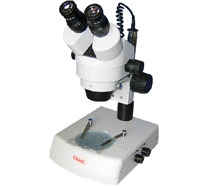
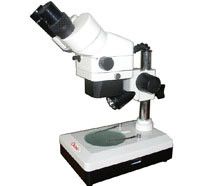
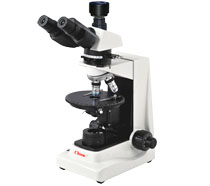
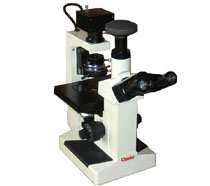
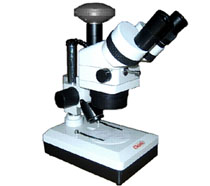
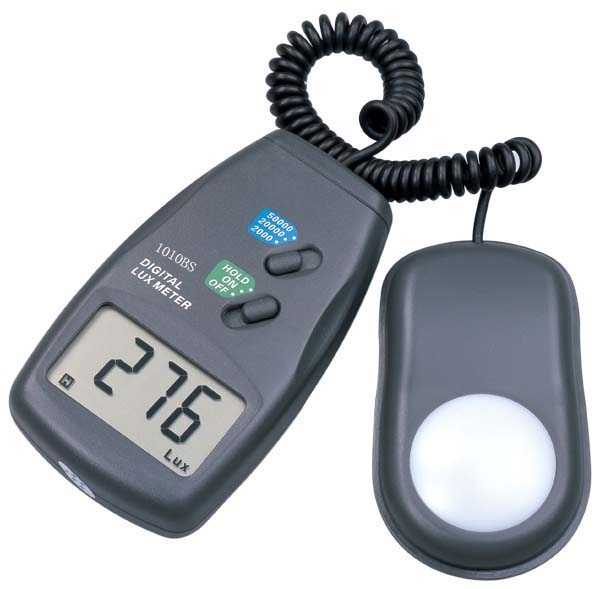
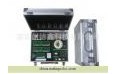
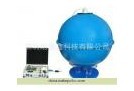
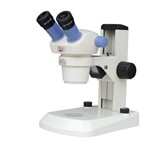
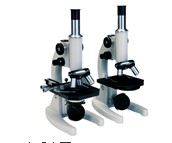
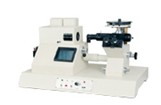
Other Optical Instruments
Source specialized and other optical instruments directly from vetted manufacturers and wholesale suppliers. Designed for importers, distributors, and brands seeking reliable OEM production, our catalog connects you with factories capable of delivering precision testing and analysis equipment in bulk.
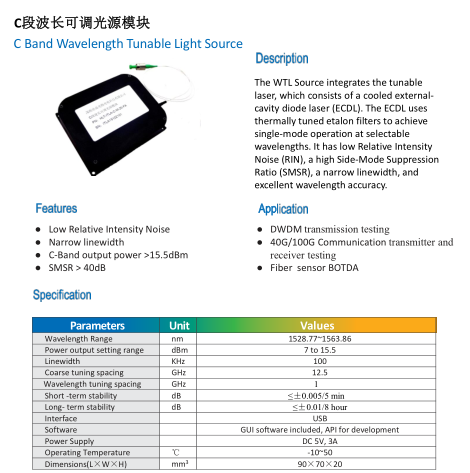
Sourcing specialized optical testing and analysis instruments requires navigating a complex landscape of niche manufacturers. Whether you are procuring custom laser alignment tools, specialized collimators, optical benches, or proprietary sensor arrays, the core challenge remains the same: verifying that the factory can maintain strict optical tolerances and repeatable calibration across a volume production run.
Defining Specifications for Specialized Optical Equipment
When evaluating suppliers for non-standard optical instruments, ambiguity in your specification sheet will lead to unacceptable variance. Because these instruments often serve niche industrial or laboratory applications, standard off-the-shelf metrics rarely apply.
- Wavelength Range & Sensor Sensitivity: Specify the exact operational spectrum (e.g., 400nm to 700nm for visible light, or specific infrared bands) and the required sensor responsivity. Ensure the factory sources photodetectors or CCDs that match these parameters without degradation over time.
- Optical Path Stability: The mechanical housing must resist thermal expansion. Specify the required coefficient of thermal expansion (CTE) for housing materials (like Invar or specialized aluminum alloys) to ensure optical alignment remains true under varying environmental temperatures.
- Coating Specifications: Anti-reflective (AR) or high-reflection (HR) coatings are critical. Specify the required reflectance percentage (e.g., under 0.5 percent per surface) and the durability standards (such as MIL-C-675C for abrasion resistance).
Manufacturing Standards and Factory Validation
Optical precision is won or lost in the assembly environment. High-end optical testing instruments require ISO Class 5 to Class 7 cleanrooms to prevent particulate contamination on lenses, mirrors, and sensors before the unit is sealed.
Before committing to a manufacturer, rigorous Factory Audits are essential to verify their environmental controls and calibration infrastructure. A factory claiming high precision but assembling units on an open shop floor will inevitably deliver units with internal dust artifacts or misaligned optics.
Critical Factory Verification Points
- ISO-certified cleanroom assembly (Class 7 or better for internal optics)
- In-house calibration capabilities using traceable reference standards (NIST or equivalent)
- Interferometer testing stations for lens and mirror surface accuracy
- Environmental testing chambers (temperature/humidity cycling) for finished units
Need to verify a supplier's cleanroom and calibration capabilities? We can deploy engineers directly to the factory floor.
Talk to our teamOEM and Customization Capabilities
Many buyers need to modify existing optical platforms to fit proprietary testing environments or integrate with specific software. Navigating OEM/ODM Services in the optical sector requires a clear understanding of what a factory is actually capable of engineering versus simply assembling.
| Modification Level | Typical Scope | Impact on Lead Time |
|---|---|---|
| Cosmetic / White-Label | Custom housing colors, branded UI, specific packaging | Adds 2 to 4 weeks |
| Component Swap | Upgraded sensors, specific lens coatings, custom data output ports | Adds 4 to 8 weeks |
| Full Custom (ODM) | Proprietary optical path design, custom PCB, new mold creation | Adds 3 to 6 months |
Sourcing Mechanics: MOQs, Lead Times, and Pricing
Because "Other Optical Instruments" encompasses a wide variety of specialized equipment, pricing and order volumes vary significantly based on the complexity of the optical path and the precision of the calibration required.
Robust Quality Control & Inspection is non-negotiable. Pre-shipment inspections must go beyond cosmetic checks; they should include functional tests verifying calibration accuracy against a known standard, ensuring the units perform exactly as specified before they are loaded into a container.
Managing a complex optical equipment order? Let us handle the supplier vetting, price negotiation, and production oversight.
Get a free consultationFrequently Asked Questions
Procuring specialized optical testing equipment in bulk requires a balance of rigorous technical specification and strict oversight of the assembly environment. By validating a factory's cleanroom standards and calibration traceability upfront, you protect your supply chain from costly precision failures down the line.
Get Sourcing Help for Other Optical Instruments
Tell us your requirements and our experts will connect you with verified manufacturers.