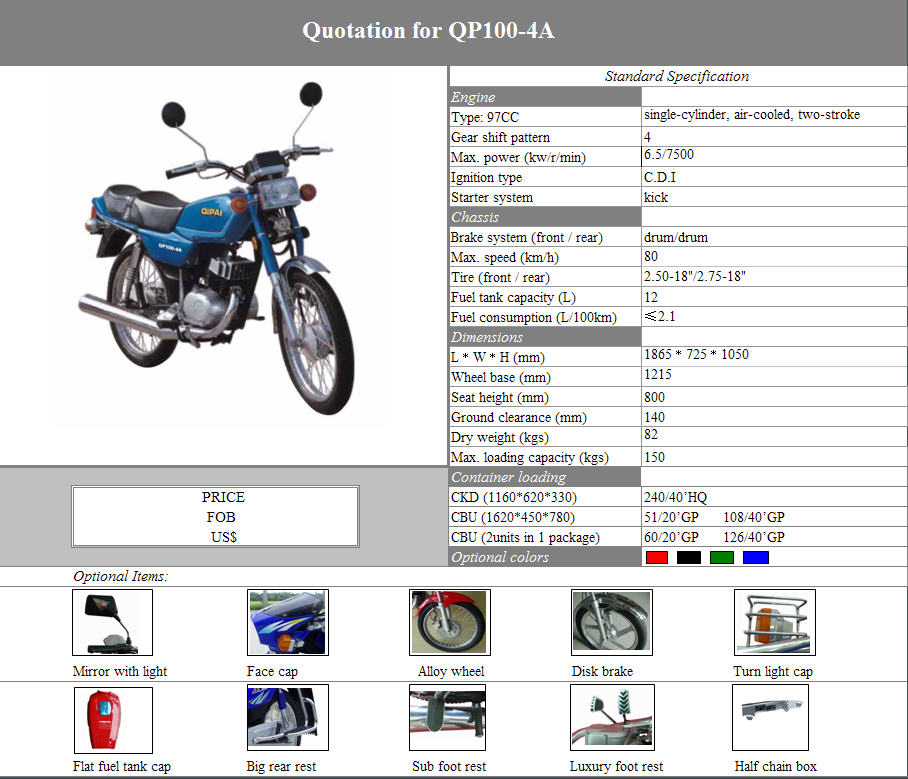
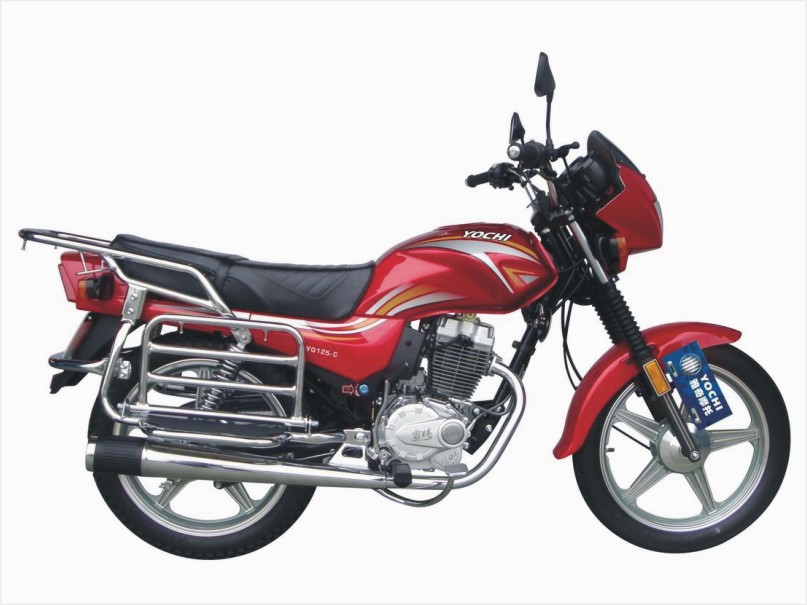
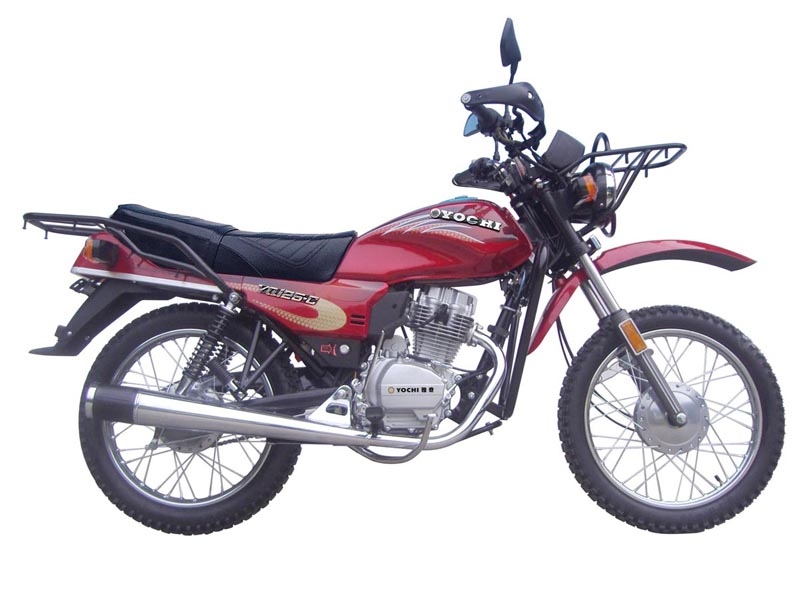
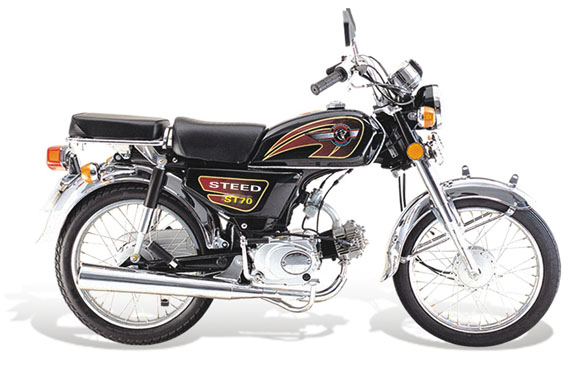
Other Motorcycles
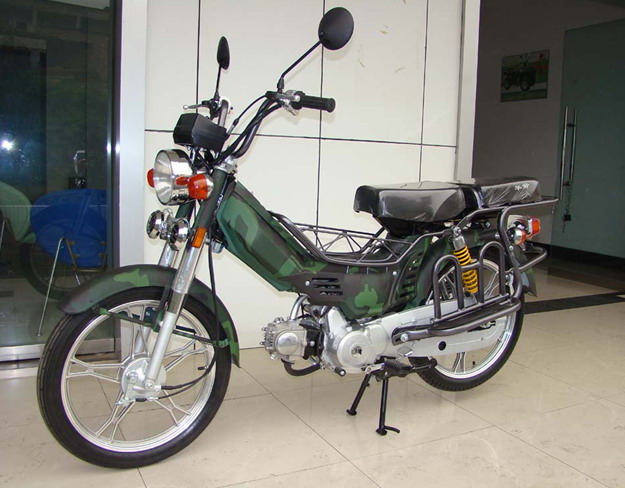
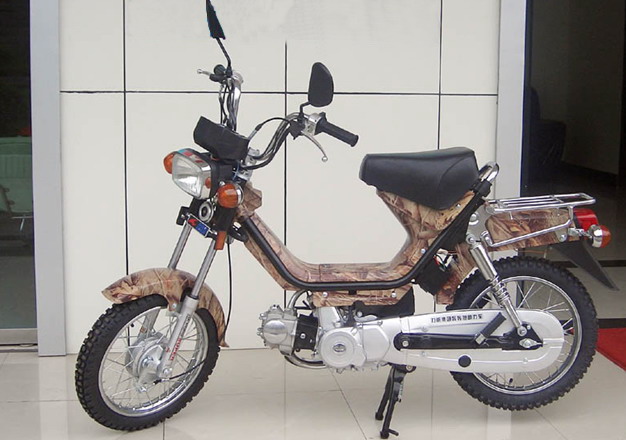
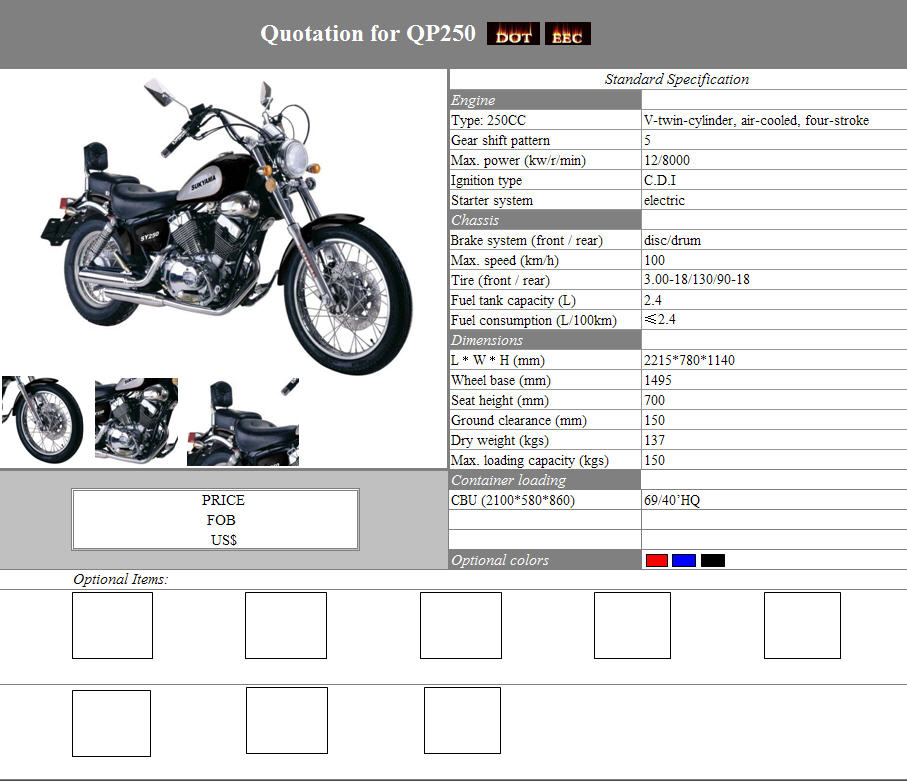
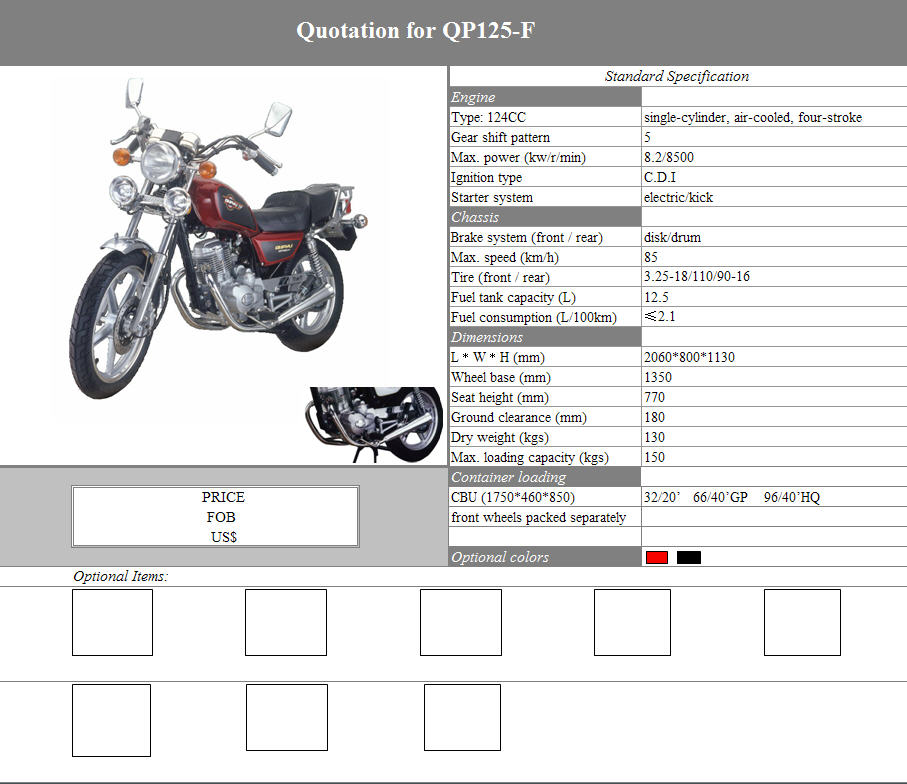
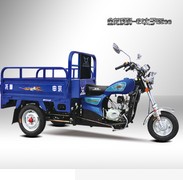
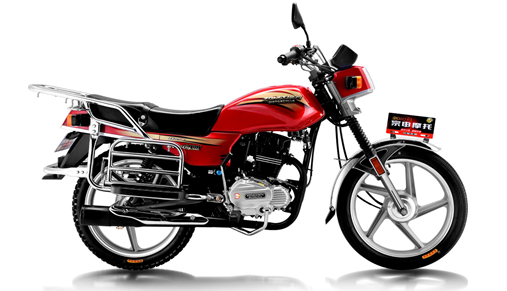
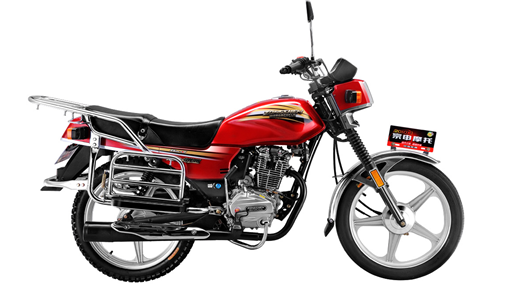
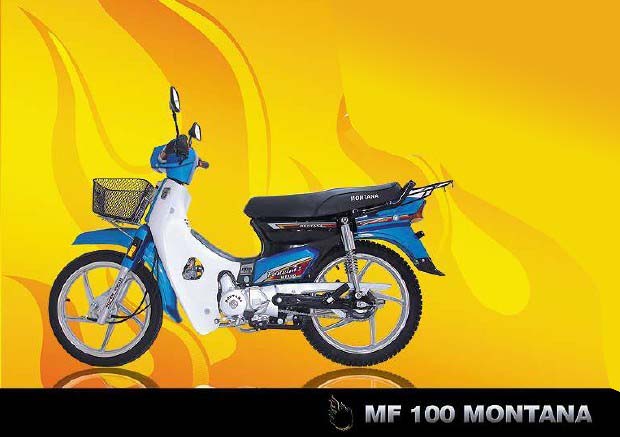
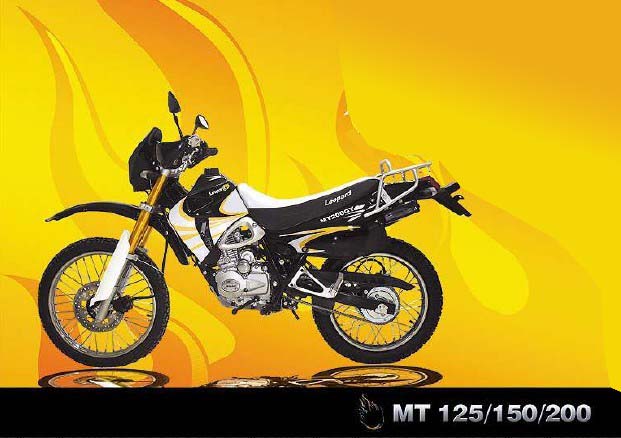
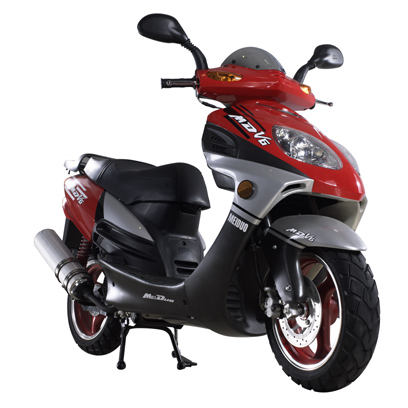
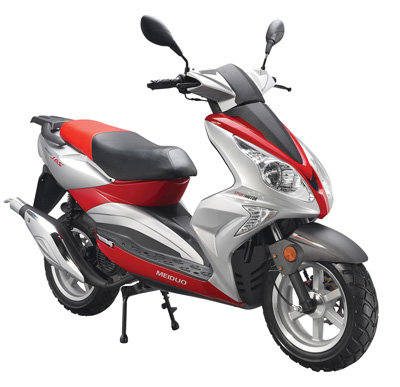
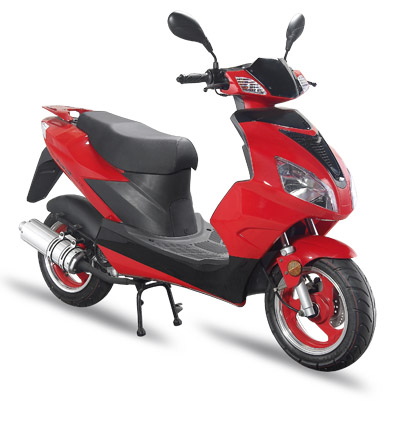
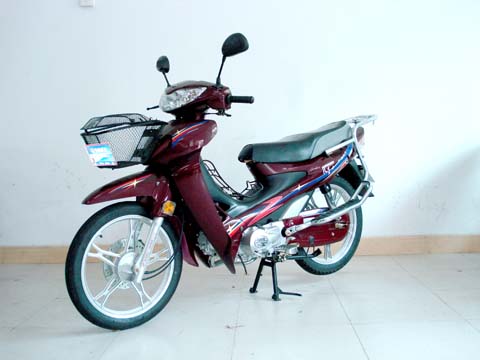
Source specialty and non-standard Other Motorcycles in bulk from vetted manufacturers and suppliers. Designed for importers, distributors, and brands seeking OEM or private-label production, our network delivers reliable assembly, rigorous compliance, and competitive wholesale pricing for unique two- and three-wheeled vehicles.
Sourcing non-standard motorcycles—whether utility trikes, specialized off-road variants, or emerging hybrid concepts—requires navigating a highly fragmented supplier base. Because these vehicles fall outside standard street or dirt bike classifications, the primary sourcing challenge isn't just finding a willing factory; it is ensuring that unique frame geometries and custom drivetrains meet strict international road-safety and homologation standards.
Navigating Homologation and Vehicle Classification
When importing specialty motorcycles, regulatory bodies (like the DOT, EPA, or European EEC) often struggle to classify them. A three-wheeled vehicle, for example, might be regulated as a motorcycle in one jurisdiction and an autocycle in another. This ambiguity directly impacts the required safety features, emissions standards, and lighting configurations your factory must implement.
Before committing to a production run, you must define the exact classification your target market will apply to the vehicle.
Critical Compliance Checks for Specialty Motorcycles
- Verify WMI (World Manufacturer Identifier) validity for the specific factory producing the frame.
- Confirm EPA/CARB (US) or Euro 5 (EU) certification for the specific engine/exhaust pairing, not just the base engine.
- Check lighting and reflector placement against FMVSS 108 or UNECE regulations for non-standard vehicle widths.
- Ensure EV variants possess UN38.3 and UL2271 certifications for the battery pack and BMS.
If the factory relies on third-party testing that does not perfectly match your final vehicle configuration, customs will flag the shipment. Integrating rigorous compliance and testing early in the development phase prevents costly impounds at the destination port.
Struggling to verify a supplier's homologation credentials? Let our sourcing engineers review their certifications.
Talk to our teamManufacturing Tolerances on Non-Standard Frames
Standard motorcycles benefit from decades of refined jigging and automated welding. Specialty motorcycles often require custom jigs and a higher degree of manual welding, increasing the risk of frame misalignment and structural failure.
When auditing a factory for custom or non-standard motorcycle production, pay close attention to their metal fabrication processes.
Frame Integrity and Jigging
Do not accept "eyeballed" or purely manual jig setups for specialty frames. Insist on CNC-cut jigs and request documentation on their welding inspection protocols (e.g., dye penetrant or X-ray testing for critical stress points).
OEM vs. ODM in Specialty Motorcycles
Choosing how to develop your non-standard motorcycle dictates your tooling costs and time-to-market.
Development Approaches
Advantages
- OEM (Custom Design): Complete control over frame geometry and component integration.
- OEM: Exclusive IP ownership prevents the factory from selling your design to competitors.
- ODM (White-label): Significantly lower tooling costs by utilizing the factory's existing specialty frames.
- ODM: Faster time-to-market with pre-homologated base platforms.
Disadvantages
- OEM: High upfront costs for custom plastic injection molds and frame jigs.
- OEM: Requires extensive in-house engineering to ensure the custom design is manufacturable.
- ODM: Limited differentiation; competitors can source the exact same base vehicle.
- ODM: You inherit any existing design flaws or poor component choices made by the factory.
Whether you are modifying an existing ODM platform or building from the ground up, implementing third-party quality control and inspection during the frame assembly and final dyno testing phases is non-negotiable.
Pricing, Tooling, and Lead Time Realities
Because specialty motorcycles lack the extreme economies of scale found in standard commuter scooters, expect higher unit costs and distinct tooling requirements.
Pricing is highly sensitive to engine sourcing. Factories often purchase engines from major domestic suppliers (like Zongshen or Loncin). If your specialty vehicle requires a non-standard engine mounting or a proprietary electric drivetrain, your OEM/ODM services agreement must clearly define who holds the liability for powertrain integration failures.
Need to negotiate lower MOQs or audit a specialty manufacturer's tooling capabilities? We can manage the process on the ground.
Get a free consultationFrequently Asked Questions
Sourcing specialty motorcycles requires a balance between innovative design and rigid regulatory compliance. Success depends on partnering with a factory that possesses the engineering depth to execute non-standard builds without compromising structural integrity or homologation standards.
Get Sourcing Help for Other Motorcycles
Tell us your requirements and our experts will connect you with verified manufacturers.