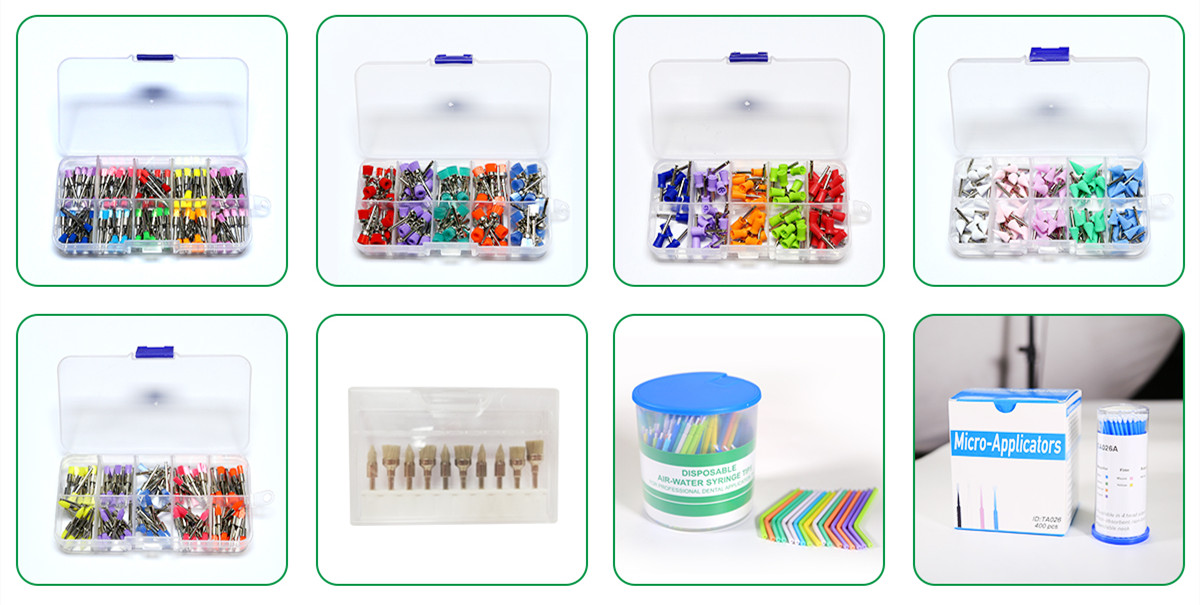
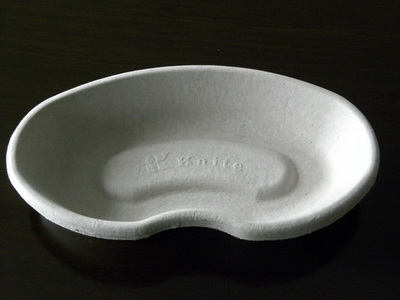
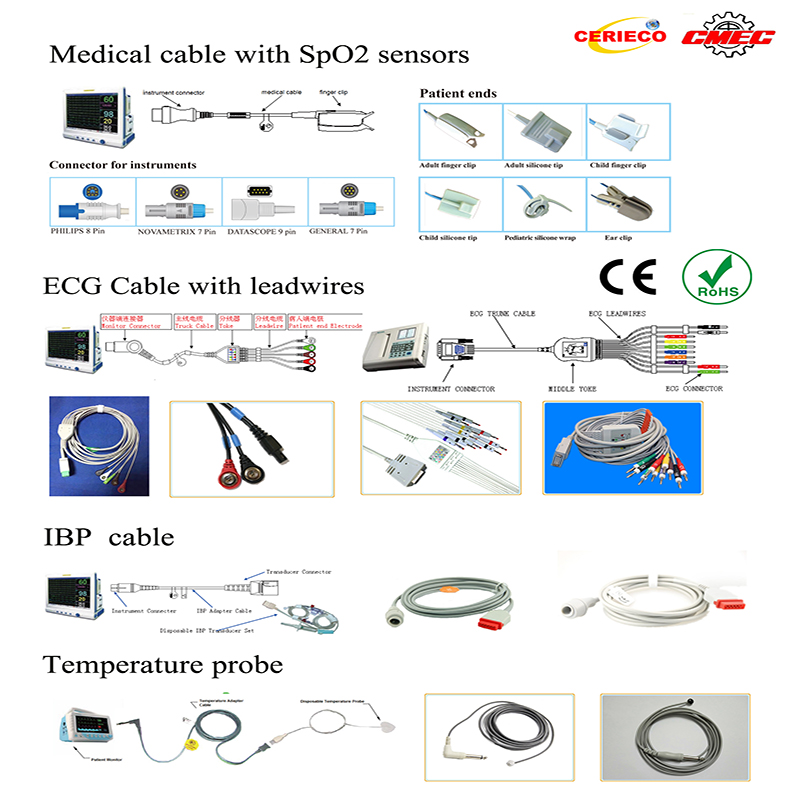
Other Medical Consumables
Source miscellaneous and specialized Other Medical Consumables in bulk from vetted manufacturers and suppliers. Designed for importers, medical distributors, and healthcare brands seeking reliable OEM production, our network connects you with certified factories capable of delivering high-volume, compliant medical supplies.
Sourcing specialized or miscellaneous medical consumables often presents a unique procurement challenge. Because these items fall outside standard high-volume categories like syringes or standard PPE, buyers frequently face fragmented supply chains, inconsistent cleanroom standards, and manufacturers who lack the specific tooling or regulatory documentation required for niche medical applications. Securing a reliable supply requires rigorous validation of a factory's quality management systems and production environment.
Material Specifications and Cleanroom Production
Whether you are sourcing specialized sample collection kits, medical-grade adhesives, custom applicators, or non-standard fluid management components, the baseline manufacturing requirements remain stringent. Medical consumables demand medical-grade raw materials—typically USP Class VI or ISO 10993 compliant polymers (such as medical-grade PVC, PP, PC, or specialized silicones).
Production must occur in a controlled environment to manage bioburden before sterilization. Most standard medical consumables require an ISO Class 8 (Class 100,000) cleanroom, while more sensitive diagnostic or fluid-contact components may require an ISO Class 7 (Class 10,000) environment.
Struggling to find certified factories for niche medical consumables? Let us handle the supplier vetting and compliance checks.
Talk to our teamSterilization and Quality Control
The integrity of a medical consumable is only as good as its sterilization validation and packaging seal. Factories must provide clear documentation of their sterilization processes and maintain rigorous testing for seal strength (e.g., ASTM F88) and package integrity (e.g., dye penetration or bubble emission testing).
If you are developing a custom product, engaging OEM/ODM Services requires careful alignment on which sterilization method the chosen materials can withstand without degrading.
| Sterilization Method | Best For | Material Compatibility | Residue Risk |
|---|---|---|---|
| Ethylene Oxide (EO) | Heat-sensitive plastics, complex kits | Excellent for PVC, PP, PE | Requires strict degassing/aeration |
| Gamma Irradiation | High-volume, single-material items | Good for PE, PC; degrades some Teflons | Zero chemical residue |
| Electron Beam (E-Beam) | Low-density products, fast turnaround | Similar to Gamma, less material stress | Zero chemical residue |
Relying solely on a supplier's internal reports is risky for medical imports. Conducting independent Compliance & Testing for bioburden levels and sterilization efficacy is a standard best practice before finalizing a new supplier contract.
Supplier Vetting Checklist
When auditing a potential manufacturer for miscellaneous medical consumables, verify the following:
- Valid ISO 13485:2016 certificate issued by a recognized notified body.
- Documented environmental monitoring logs for their cleanroom facilities.
- Traceability systems matching batch numbers to raw material lots and sterilization runs.
- In-house testing capabilities for packaging seal strength and burst testing.
- Experience exporting to your target market (FDA establishment registration or CE MDR compliance).
Pricing, MOQs, and Lead Times
Because "Other Medical Consumables" covers a wide variety of products, pricing and Minimum Order Quantities (MOQs) vary heavily based on the manufacturing process (injection molding, extrusion, die-cutting, or manual assembly).
- Standard Injection-Molded Parts: MOQs typically range from 50,000 to 100,000 units per run to absorb machine setup and cleanroom operational costs.
- Custom Tooling (OEM): If you require a custom mold, expect tooling costs between $3,000 and $15,000 USD depending on the mold's complexity and cavitation. Tooling takes 25 to 45 days, followed by sample validation.
- Assembled Kits: For items requiring manual or semi-automated assembly in a cleanroom, MOQs might be lower (10,000 to 20,000 units), but labor costs will drive up the per-unit price.
- Lead Times: Standard production runs generally take 30 to 45 days. Add an additional 7 to 14 days if EO sterilization and degassing are required.
Before investing in custom tooling or committing to a high-volume run, executing comprehensive Factory Audits ensures the facility actually owns the equipment they claim and maintains the necessary quality systems.
Need realistic pricing and lead times for your specific medical consumable? We can source and negotiate on your behalf.
Get a free consultationFrequently Asked Questions
Successfully sourcing specialized medical consumables requires navigating a complex landscape of regulatory compliance, material science, and strict quality control. By thoroughly vetting manufacturing environments and validating sterilization processes, procurement teams can secure reliable, high-quality supplies while mitigating regulatory risk.
Get Sourcing Help for Other Medical Consumables
Tell us your requirements and our experts will connect you with verified manufacturers.