Other Material Handling Equipment
Source Other Material Handling Equipment from vetted suppliers and manufacturers across Asia. Designed for importers, wholesalers, and industrial brands seeking specialized transporting solutions, this selection covers niche and custom equipment for bulk procurement and OEM production.
When sourcing specialized or non-standard material handling equipment, the primary challenge is ensuring your unique specifications translate safely and accurately to the factory floor. Because these units often handle awkward loads, unique environments, or highly specific transport tasks, off-the-shelf standards rarely apply. Success in this category requires strict attention to raw material grades, fabrication quality, and rigorous load testing.
Specifying Niche Transporting Equipment
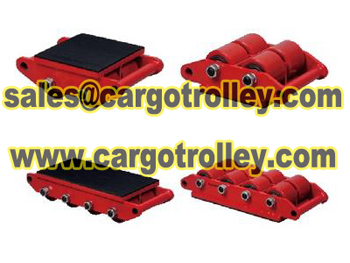
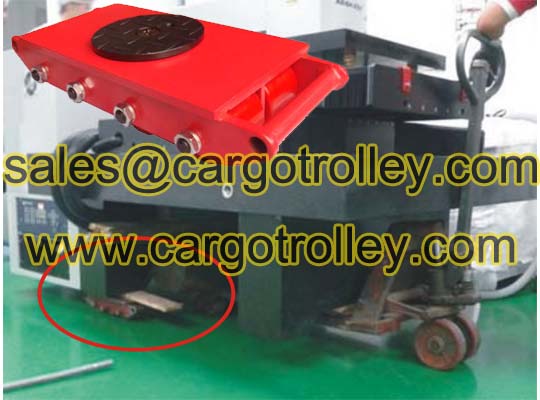
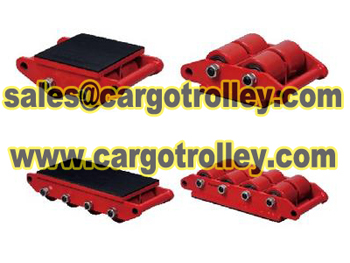
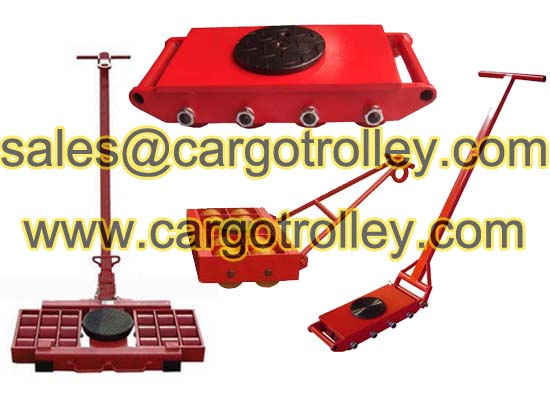
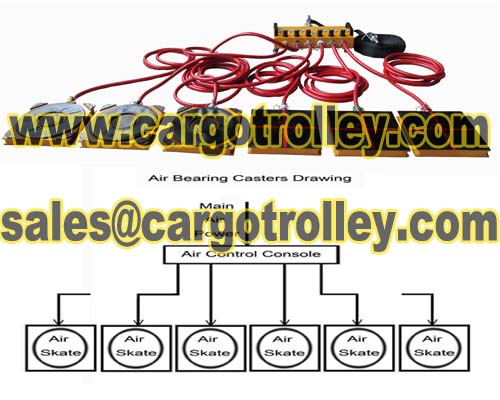
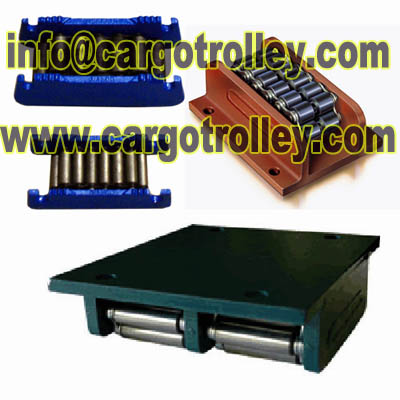
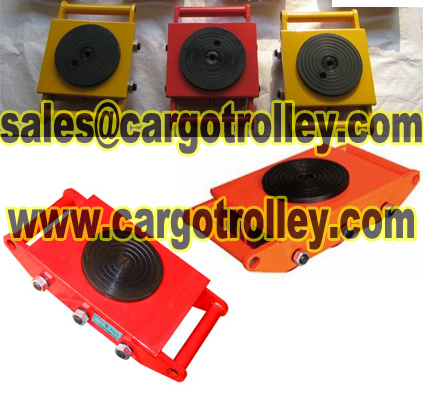
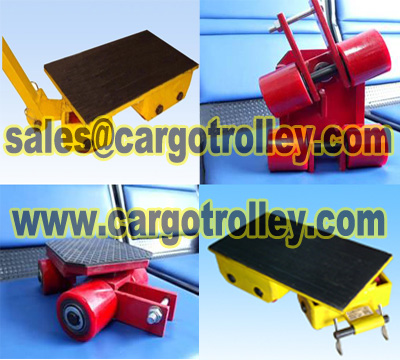
Specialized transporting equipment—whether custom dollies, specialized drum handlers, or unique load skates—relies heavily on the structural integrity of its frame and the durability of its contact points. When communicating with manufacturers, you must define the operational environment to ensure the correct materials are selected.
For structural components, specify the exact steel grade. Standard Q235 carbon steel is common for light-to-medium duty applications, while Q345 (or equivalent high-tensile steel) should be mandated for high-capacity or high-stress equipment.
Equally critical is caster and wheel specification. The wrong wheel material will lead to premature failure or facility damage.
| Operational Environment | Recommended Material | Performance Characteristic |
|---|---|---|
| Smooth / Epoxy Floors | Polyurethane (PU) | Non-marking, high load capacity, quiet |
| Rough / Outdoor Surfaces | Pneumatic or Solid Rubber | Vibration reduction, shock absorption |
| Extreme Heavy Loads | Forged Steel / Cast Iron | Maximum static capacity, high durability |
| Corrosive / Washdown Areas | Nylon with Stainless Bearings | Chemical resistance, rust prevention |
Need to verify a factory's custom fabrication capabilities before committing to tooling costs?
Talk to our teamManufacturing Tolerances and Quality Control
The point of failure in most specialized handling equipment is rarely the raw material itself; it is the fabrication process. Inconsistent welding, poor surface preparation, or misaligned axles can drastically reduce the safe working load limit.
Before placing volume orders, it is highly recommended to conduct thorough factory audits to verify that the supplier has certified welders (e.g., AWS or equivalent ISO standards) and proper jigging setups for consistent dimensional accuracy across batches.
Critical Defect Checklist for Handling Equipment
Implement a strict quality control protocol that checks for the following during pre-shipment inspections:
Pre-Shipment Inspection Focus Areas
- Weld integrity: Inspect for porosity, undercutting, or incomplete penetration on all load-bearing joints.
- Dimensional accuracy: Ensure axle alignments and mounting plates match CAD tolerances to prevent uneven load distribution.
- Surface treatment: Check powder coating thickness (typically 60-80 microns) or galvanization for consistent rust protection.
- Hardware torque: Verify that all structural bolts and caster mountings are torqued to specified limits.
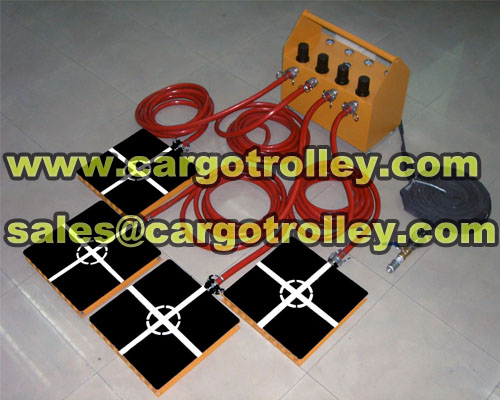
- Hydraulic/Pneumatic seals (if applicable): Check for micro-leaks under maximum static load.
Executing OEM and Custom Configurations
Many buyers in this category are not buying off-the-shelf; they are modifying existing designs or bringing entirely new concepts to market. When utilizing OEM/ODM services, clear communication regarding the "Safe Working Load" (SWL) is non-negotiable.
Factories must understand whether your stated capacity is a static load or a dynamic load. A unit rated for 1,000 kg static may only safely transport 600 kg dynamically over uneven ground. Always require the factory to provide documentation of physical load testing at 1.25 to 1.5 times the rated SWL before approving the golden sample.
Typical MOQs, Costs, and Production Timelines
Pricing in the "other" material handling category is highly variable and directly tied to global steel indices, the complexity of custom tooling, and the quality of moving components (like branded bearings vs. generic).
Consolidating multiple specialized handling SKUs? We can help coordinate production and shipping across multiple specialized factories.
Get a free consultationSourcing specialized material handling equipment requires moving beyond basic catalog specifications. By controlling raw material grades, demanding certified fabrication processes, and enforcing strict load-testing protocols, you ensure the equipment performs safely in demanding industrial environments. If you need boots on the ground to manage complex custom fabrication, our team can manage the process from factory floor to final delivery.
Get Sourcing Help for Other Material Handling Equipment
Tell us your requirements and our experts will connect you with verified manufacturers.