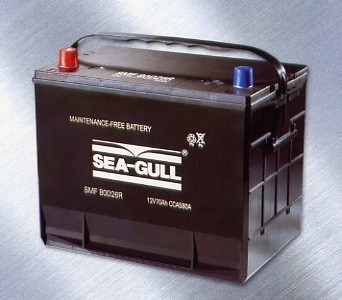
Other Marine Supplies
Source high-quality Other Marine Supplies directly from vetted manufacturers and suppliers. Built for marine importers, wholesalers, distributors, and brands seeking reliable OEM production, our network delivers marine-grade hardware and accessories engineered to withstand harsh saltwater environments at competitive wholesale volumes.
Sourcing miscellaneous marine supplies—ranging from specialized deck hardware and rigging components to maintenance accessories—requires navigating a highly fragmented manufacturing base. The primary challenge for volume buyers is maintaining strict material and performance standards across a diverse catalog. A factory that excels in injection-molding UV-stabilized plastics rarely possesses the metallurgy expertise required for high-load stainless steel casting. Building a reliable catalog means identifying and coordinating with specialized facilities for each material type.
Defining "Marine-Grade" Material Specifications
The marine environment is notoriously unforgiving. When sourcing supplies, generic material specifications will lead to rapid field failures, warranty claims, and brand damage. You must specify exact alloys and polymer grades on your purchase orders, and verify them before shipment.
For metal components, corrosion resistance and tensile strength are the primary drivers of cost and quality.
| Material | Corrosion Resistance | Typical Marine Application |
|---|---|---|
| 304 Stainless Steel | Moderate (susceptible to chloride pitting) | Freshwater environments, interior cabin hardware |
| 316 Stainless Steel | High (contains molybdenum for chloride resistance) | Saltwater deck hardware, underwater fittings, rigging |
| Marine Bronze (Gunmetal) | Excellent (forms protective patina) | Thru-hull fittings, heavy-duty structural components |
| Anodized Aluminum | Good (requires intact anodic coating) | Bimini frames, lightweight structural supports |
For plastics and composites, UV degradation and embrittlement are the main threats. Ensure your suppliers are using UV-stabilized polymers (like ASA or specialized nylon blends) rather than standard ABS, which will yellow and crack after a single season of sun exposure.
Consolidate your marine supply chain with vetted, specialized manufacturers.
Talk to our teamManufacturing Processes and Quality Control
The manufacturing method dictates both the unit cost and the structural integrity of the marine supply. For complex stainless steel hardware (like cleats, hinges, or shackles), investment casting (lost-wax casting) is the industry standard. It provides excellent dimensional accuracy and a smooth surface finish that minimizes microscopic pits where rust can form.
However, casting defects like porosity or inclusions can severely compromise load-bearing capacity. Implementing rigorous Quality Control & Inspection is non-negotiable.
Essential QC Checks for Marine Supplies
- Positive Material Identification (PMI): Use handheld XRF spectrometers to verify 316 stainless steel composition (specifically checking for 2-3% molybdenum).
- Salt Spray Testing: Verify corrosion resistance via ASTM B117 standards (typically demanding 500+ hours without red rust for saltwater gear).
- Load and Tensile Testing: Destructive testing for critical load-bearing hardware to ensure it meets stated working load limits (WLL).
- UV Exposure Testing: ASTM G154 accelerated weathering tests for plastics and textiles to verify colorfastness and structural retention.
If you are developing proprietary hardware or modifying existing designs, partnering with factories that offer robust OEM/ODM Services is crucial. They can assist with CAD refinement, mold flow analysis, and rapid prototyping before you commit to expensive steel tooling.
Sourcing Mechanics: MOQs, Lead Times, and Pricing
Because "Other Marine Supplies" encompasses everything from small injection-molded clips to heavy cast-metal assemblies, procurement metrics vary widely. Tooling costs are often the largest upfront barrier when moving away from off-the-shelf factory designs.
Pricing is heavily indexed to global commodity markets, particularly nickel and molybdenum for stainless steel, and crude oil for plastics. When negotiating long-term contracts, experienced buyers often tie their pricing agreements to these raw material indices to ensure fair adjustments over time.
Optimize your tooling investments and production schedules with expert guidance.
Get a free consultationFrequently Asked Questions
Sourcing marine supplies at scale requires a delicate balance of metallurgical knowledge, factory vetting, and strict quality enforcement. Relying on a supplier's word for "marine-grade" is a risk that serious buyers avoid through independent testing and active supply chain management.
Get Sourcing Help for Other Marine Supplies
Tell us your requirements and our experts will connect you with verified manufacturers.