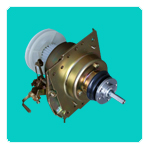
Other Laundry Appliances
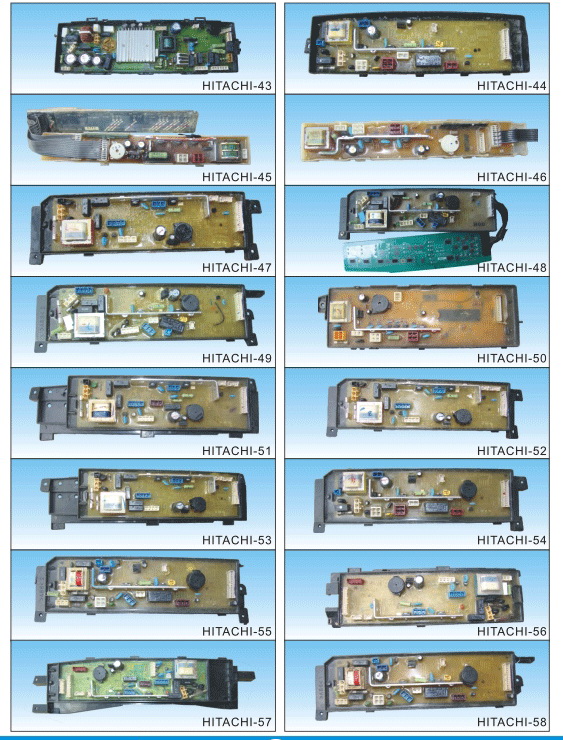
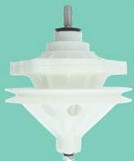
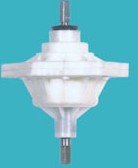
Source bulk Other Laundry Appliances directly from vetted suppliers and manufacturers. Designed for importers, wholesalers, distributors, and appliance brands seeking reliable OEM/ODM production, this category covers specialty laundry equipment built to international safety and performance standards.
Sourcing specialty laundry appliances—ranging from portable spin extractors and shoe washing machines to electric drying cabinets and advanced steam presses—requires navigating a highly fragmented manufacturing base. Unlike standard residential washers and dryers, which are dominated by massive tier-one factories, these niche appliances are typically produced by mid-sized facilities. The primary sourcing challenge is identifying suppliers capable of maintaining strict electrical safety standards in products where water and electricity operate in close proximity.
Critical Specifications and Component Selection
When finalizing product specifications with a manufacturer, the internal components dictate both the lifespan of the appliance and its safety profile. Do not accept generic "standard" spec sheets; clearly define the following parameters.
- Motor Quality: For appliances with moving parts (like mini-washers or spin dryers), specify pure copper wire motors rather than copper-clad aluminum (CCA). Copper motors offer superior thermal resistance and longevity under continuous load.
- Heating Elements: For drying racks, cabinets, or steam presses, PTC (Positive Temperature Coefficient) ceramic heating elements are preferred over traditional exposed wire coils. PTC elements are self-regulating, significantly reducing fire risks.
- Housing Materials: Enclosures must use fire-retardant ABS or high-impact Polypropylene (PP). Ensure the plastics are UV-stabilized if the appliance might be used in sunlit areas (like balcony drying racks) to prevent brittleness over time.
Struggling to verify component quality across different suppliers? Let our engineers handle the technical vetting.
Talk to our teamManufacturing Tolerances and Quality Control
The intersection of heat, moisture, and electricity means that minor assembly errors can lead to catastrophic product failures or safety recalls. A rigorous Quality Control & Inspection protocol is non-negotiable.
Essential In-Line and Pre-Shipment Checks
- Hi-Pot (High Potential) Testing: Verifies electrical insulation and ensures no current leakage to the exterior housing.
- Waterproofing Integrity: IPX4 or IPX5 testing for any appliance used in damp environments or directly handling water.
- Thermal Cut-off Verification: Ensuring safety thermostats trigger accurately to prevent overheating in drying appliances.
- Drop and Vibration Testing: Critical for portable appliances to simulate shipping stress and accidental drops by end-users.
Many specialized laundry appliance factories assemble components sourced from sub-tier suppliers. Conducting thorough Factory Audits before placing an order is the only reliable way to confirm that the facility actually controls its supply chain and isn't just a final-assembly workshop cutting corners on internal wiring.
Navigating Compliance and Certification
Compliance is the most common hurdle when importing electrical appliances. Certification requirements vary strictly by region, and a factory claiming "CE compliance" often only holds a self-declared certificate for a single component, not the finished product.
Certification Verification
Always request the full test report, not just the certificate, and verify it directly with the issuing laboratory (e.g., TUV, SGS, Intertek). If you are customizing the product, the certification must be updated to reflect your specific model.
If you are modifying an existing design or launching a private label through OEM/ODM Services, budget time and capital for localized Compliance & Testing to meet UL/ETL standards for North America or RoHS/REACH directives for Europe.
Buying Mechanics: MOQs, Pricing, and Lead Times
Because "Other Laundry Appliances" encompasses such a wide variety of products, pricing and minimum order quantities (MOQs) fluctuate based on the complexity of the tooling and the cost of the internal components.
Pricing is heavily influenced by raw material costs (specifically copper for motors and ABS for housing). When negotiating, tie your pricing to a specific Bill of Materials (BOM) rather than a generic product photo. This prevents the factory from quietly substituting cheaper internal components if raw material prices spike during production.
Need to negotiate better terms or consolidate shipments from multiple appliance factories? We can structure your supply chain for maximum efficiency.
Get a free consultationFrequently Asked Questions
Successfully sourcing specialty laundry appliances requires looking past the polished exterior to scrutinize the motors, heating elements, and assembly protocols. By establishing strict BOMs and enforcing rigorous electrical safety testing, buyers can secure reliable products that protect both their end-users and their brand reputation.
Get Sourcing Help for Other Laundry Appliances
Tell us your requirements and our experts will connect you with verified manufacturers.