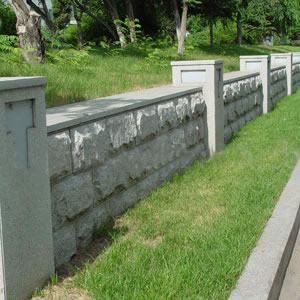
Other Landscaping Stone
Source premium Other Landscaping Stone directly from vetted manufacturers and quarries. Designed for importers, wholesalers, and commercial distributors buying in bulk, our network supplies specialty rockery, feature boulders, and gabion stones at wholesale prices, ensuring consistent grading and secure freight.
Sourcing specialty landscaping stones—spanning monolithic feature boulders, rockery stones, specialized gabion fills, and unique decorative aggregates—requires balancing aesthetic consistency with brutal freight economics. Because these materials fall outside standard paving or pebble categories, they lack universal grading standards. Defining exact physical specifications and packaging requirements with the quarry is critical to avoid receiving poorly sorted, damaged, or unusable shipments.
Key Material Specifications
When purchasing irregular or specialty landscaping stone, buyers must define the physical properties that dictate both durability and shipping weight.
- Density and Specific Gravity: Dictates how much volume you can fit into a container before hitting maximum weight limits. A 20-foot heavy-duty container typically maxes out between 21 and 27 metric tons depending on the destination port's road regulations.
- Water Absorption: Stones with high porosity (like certain volcanic rocks or tufa) are susceptible to freeze-thaw damage in colder climates. Ensure absorption rates are tested if the target market experiences harsh winters.
- Compressive Strength: Critical for gabion wall fills and retaining applications where structural integrity is required under load.
| Property | Granite / Quartzite | Basalt / Volcanic | Limestone / Sandstone |
|---|---|---|---|
| Typical Water Absorption | Under 0.5% | High (porous) | Moderate (1% to 4%) |
| Compressive Strength | Very High | Moderate | Moderate to High |
| Weight per Cubic Meter | Approx. 2.6 to 2.8 tons | Approx. 2.4 to 3.0 tons | Approx. 2.2 to 2.6 tons |
Processing and Packaging Realities
The value of specialty landscaping stone is often won or lost in the processing and packaging phases. Extracting raw material is only the first step; grading and packing dictate the final yield.
Grading and Sizing
Irregular stones are graded using mechanical screens. If the factory's screens are worn or if they rush the process, you will receive a high percentage of undersized material (fines) or oversized rejects. Specify the acceptable variance percentage in your purchase order (e.g., "95% of material must fall within the 100mm to 150mm range").
Packaging Integrity
Stone is unforgiving on packaging. Poorly packed stone destroys pallets and bursts bags during transit, leading to massive handling costs upon arrival.
Common Packaging Methods
Advantages
- FIBC / Ton Bags: Cost-effective, easy to load/unload with standard forklifts, ideal for gabion and rockery stones.
- Fumigated Wooden Crates: Essential for large feature boulders or fragile monolithic stones to prevent shifting.
Disadvantages
- FIBC / Ton Bags: UV degradation if stored outside at the factory for too long; risk of bottom blow-out if the fabric denier is too low.
- Fumigated Wooden Crates: Higher cost, adds dead weight to the container, strict ISPM-15 compliance required.
Struggling with high breakage rates or inconsistent grading from your current quarry? Let us help you establish stricter factory-level controls.
Talk to our teamQuality Control for Specialty Stone
Catching defects before the container is sealed is mandatory. Once 25 tons of rock arrive at your yard, returning it is economically impossible. Implementing rigorous Quality Control & Inspection at the quarry or packing facility is your only defense against substandard yield.
Pre-Shipment Inspection Focus Areas
- Sieve/Mesh Verification: Randomly sample ton bags to ensure the stone size distribution matches the PO.
- Color and Veining Consistency: Wet the stones during inspection to reveal the true color and check against approved master samples.
- Moisture Content: Ensure stones are dry before packing to avoid paying freight for water weight.
- Packaging Compliance: Check FIBC bag loop stitching and verify ISPM-15 fumigation stamps on all wooden crates.
- Container Weight Distribution: Ensure the load is evenly distributed across the container floor to prevent axle-weight violations at the destination port.
Pricing, MOQ, and Freight Dynamics
Because raw stone is inherently low-cost, logistics dictate the final landed cost. Buying strategy must revolve around maximizing container payloads.
Freight Optimization
Shipping stone is a logistical challenge. A 40-foot container is rarely used for raw stone because the weight limit is reached long before the volume is filled. Consolidating orders, managing port-weight restrictions, and securing competitive ocean rates requires expert Shipping & Freight management.
Need to optimize your landed costs? Our logistics team specializes in heavy-freight routing and payload maximization.
Get a free consultationFrequently Asked Questions
Securing reliable, consistently graded landscaping stone requires moving beyond simple price-per-ton comparisons. Success in this category demands strict control over sizing screens, heavy-duty packaging specifications, and ruthless freight optimization to protect your margins.
Get Sourcing Help for Other Landscaping Stone
Tell us your requirements and our experts will connect you with verified manufacturers.