Other Keychains
Source custom and specialty Other Keychains from vetted manufacturers and suppliers. Designed for importers, wholesalers, and brands requiring OEM or private-label production, our network delivers bulk volumes of unique, multi-material, and functional keychain designs with reliable quality control and competitive pricing.
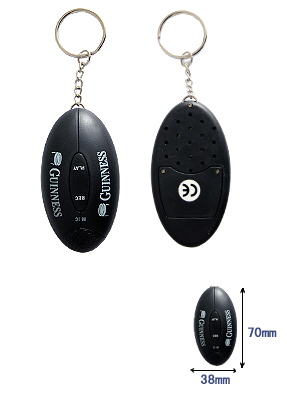
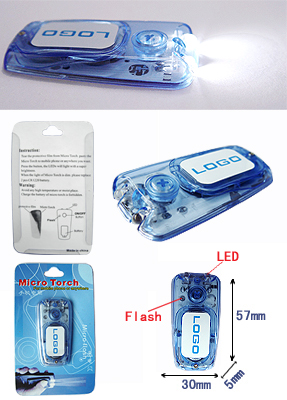
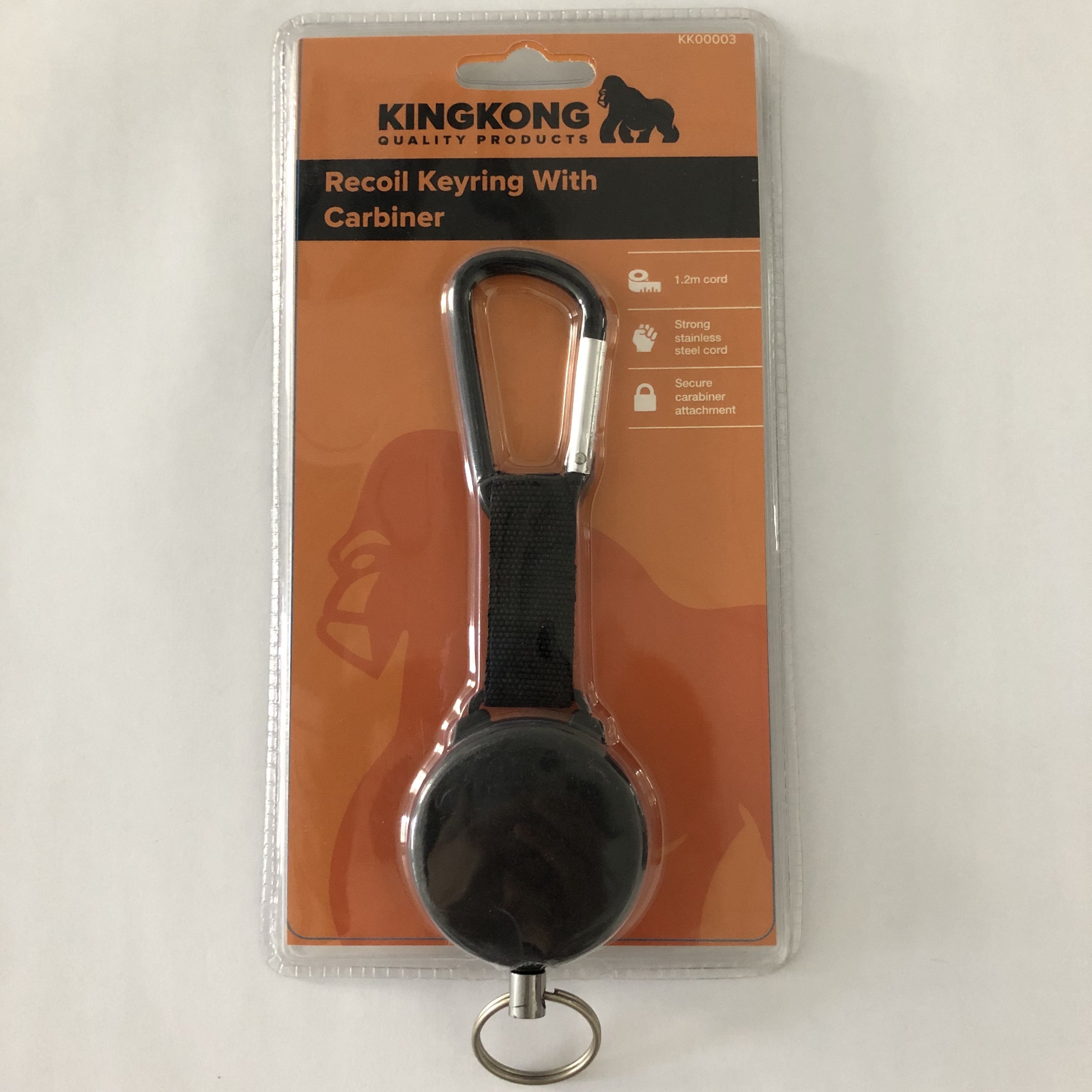
The "Other Keychains" category serves as a catch-all for specialty, multi-material, and highly functional designs that fall outside standard metal, PVC, or acrylic classifications. For volume buyers, this category often includes eco-friendly materials (bamboo, recycled plastics), woven or embroidered fabric tags, resin composites, and utility keychains (incorporating tools, lights, or tech elements).
Because these products often require specialized manufacturing processes or the assembly of disparate materials, the primary sourcing challenge is identifying a factory with the exact technical capabilities required, rather than a general assembler who outsources critical components.
Defining Specifications for Specialty Materials
When sourcing non-standard keychains, clear technical specifications are critical to prevent material substitution and ensure durability.
| Material Category | Common Applications | Primary Sourcing Challenge |
|---|---|---|
| Woven & Embroidered | Aviation tags, apparel branding | Edge fraying, thread color matching (Pantone) |
| Sustainable / Wood | Corporate gifting, eco-brands | Moisture content control, grain consistency |
| Resin & Composites | Novelty, embedded objects | Bubble formation, UV yellowing over time |
| Functional / Utility | Hardware, automotive promos | Moving part tolerances, battery life/safety |
For functional or multi-material designs, clearly define the bonding methods. Relying on standard adhesives for joining metal hardware to wood or fabric often leads to failure under torsion. Specify mechanical fastening (like riveting) or industrial-grade epoxies, and require pull-testing during the sampling phase.
Navigating complex multi-material production? Let our sourcing experts match your specifications with the right specialized factory.
Talk to our teamManufacturing and Quality Control Checkpoints
Producing specialty keychains often involves secondary processing—such as edge-binding for fabrics, laser engraving for wood, or specialized plating for composite hardware. Each additional step introduces a potential failure point. Implementing robust Quality Control & Inspection is essential to catch defects before they leave the factory floor.
Critical QC Checks for Specialty Keychains
- Pull Tension Testing: Ensure the jump ring and primary attachment point can withstand a minimum of 5kg of pull force without deformation.
- Environmental Stress Testing: For resin and wood, verify resistance to temperature fluctuations to prevent cracking or warping.
- Edge and Finish Integrity: Check woven tags for heat-sealed edge consistency to prevent fraying.
- Functional Verification: For utility keychains, test all moving parts, hinges, or electronic components across a statistical sample.
- Hardware Plating Adhesion: Conduct cross-hatch adhesion tests on any custom-plated metal components.
If your product incorporates electronics (like LED lights) or recycled materials, ensure the factory can provide the necessary documentation for Compliance & Testing, such as RoHS or specific recycled content certifications (e.g., GRS).
Customization and OEM/ODM Production
Brands developing unique keychain concepts often require full OEM/ODM Services. Prototyping costs and timelines depend heavily on the materials involved.
Custom Tooling vs. Off-the-Shelf Modification
Advantages
- Custom tooling allows for 100% unique shapes and multi-material integration.
- Proprietary designs protect your brand IP from generic market replication.
- Modifying off-the-shelf molds reduces initial setup costs and shortens lead times.
Disadvantages
- Custom molds (especially for complex resin or utility items) increase upfront costs.
- New material combinations require extensive sampling to ensure structural integrity.
- Off-the-shelf modifications limit your design flexibility to standard dimensions.
Always clarify tooling ownership in your manufacturing agreement. If you pay for a custom mold, stipulate that the factory cannot use it for other clients.
Typical MOQs, Pricing, and Lead Times
Because "Other Keychains" covers such a broad spectrum, pricing and minimum order quantities vary significantly based on the production method and material scarcity.
Prices are heavily influenced by the complexity of assembly. A simple laser-cut wooden keychain will cost significantly less than a multi-tool keychain requiring precision assembly and moving parts.
Need accurate pricing and lead times for your custom keychain project? Connect with our sourcing specialists today.
Get a free consultationFrequently Asked Questions
Sourcing specialty and multi-material keychains requires a precise approach to factory selection and quality control. By defining exact material specifications, mandating rigorous testing for assembly points, and partnering with specialized manufacturers, volume buyers can secure high-quality, unique products that stand out in the market.
Get Sourcing Help for Other Keychains
Tell us your requirements and our experts will connect you with verified manufacturers.