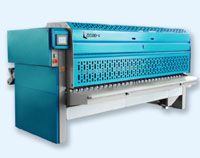
Other Ironing & Washing Equipment
Source Other Ironing & Washing Equipment from vetted suppliers and manufacturers across Asia. Designed for importers, distributors, and procurement managers buying in bulk, this selection covers specialized industrial garment care solutions. Find reliable partners for your wholesale distribution and OEM equipment production needs.
When sourcing specialized garment care machinery—ranging from industrial spotting tables and form finishers to dedicated collar and cuff presses—the primary challenge lies in component reliability and supplier verification. Because these ancillary units often serve as critical bottlenecks in commercial laundries or apparel production lines, failure in a single pneumatic valve, vacuum motor, or heating element causes immediate workflow disruption. Navigating this fragmented category requires a strict focus on internal build quality rather than external aesthetics.
Critical Specifications & Component Quality
Specialized ironing and washing equipment relies heavily on the integration of electrical heating, pneumatics, and steam management. Buyers must specify the exact internal components to prevent factories from substituting lower-grade domestic parts to cut costs.
- Steam Pressure Ratings: Industrial units typically require operating steam pressures between 0.4 and 0.6 MPa (4 to 6 bar). The internal piping must be constructed from high-grade stainless steel or copper to withstand constant thermal cycling and prevent scaling.
- Pneumatic Systems: For automated presses and form finishers, the reliability of the pneumatic cylinders dictates the lifespan of the machine. Specify internationally recognized brands for valves and cylinders to ensure longevity and easy replacement.
- Vacuum and Blowing Motors: Spotting tables and specialized ironing boards rely on powerful, continuous-duty motors. Specify the exact wattage (typically 500W to 1500W depending on the application) and require thermal overload protection.
| System Component | Standard Configuration | High-Volume Industrial Grade |
|---|---|---|
| Heating Elements | Standard cast aluminum | Teflon-coated stainless steel |
| Pneumatic Controls | Generic domestic cylinders | Internationally branded (e.g., SMC/Festo) |
| Electrical Relays | Standard domestic contactors | Siemens or Schneider electrics |
| Internal Piping | Galvanized steel | Seamless copper or 304 stainless steel |
Navigating a fragmented market of trading companies? We verify actual factory capabilities for specialized machinery to ensure you partner with true manufacturers.
Talk to our teamManufacturing Tolerances and Quality Control
The "Other" category is notorious for being populated by trading companies rather than direct manufacturers. A supplier might excel at producing standard industrial washers but outsource the production of spotting tables or specialized presses. Conducting thorough factory audits is essential to verify that the supplier possesses the actual machining, welding, and assembly capabilities for the specific equipment you are buying.
During production, quality control must focus on safety and performance under stress. Electrical systems must be rigorously tested for proper grounding and insulation resistance, especially since these machines operate in high-humidity environments.
Key Pre-Shipment Inspection Points
- Steam line pressure testing: Hold at 0.8 MPa for 30 minutes to check for leaks.
- Electrical safety: Verify correct voltage/frequency calibration and inspect grounding.
- Pneumatic cycle testing: Run automated presses through at least 100 continuous cycles to verify smooth operation.
- Heating uniformity: Use thermal imaging to ensure ironing plates heat evenly without cold spots.
Implementing strict quality control before the equipment leaves the factory prevents costly rework and hazardous failures at the end-user's facility.
Customization and OEM/ODM Production
For brands distributing industrial machinery, customizing the equipment to meet regional standards is non-negotiable. Utilizing OEM/ODM services allows you to tailor the machinery to specific market demands. This includes modifying the voltage and frequency (e.g., 110V/60Hz for North America versus 220V/50Hz for Europe), updating control panels from manual switches to programmable logic controllers (PLCs), and applying custom powder-coated finishes and branding.
Compliance Verification
Ensure that any electrical modifications maintain the integrity of CE, UL, or CSA certifications. Altering the motor type or heating element often requires re-certification of the entire unit.
Sourcing Mechanics: MOQs, Lead Times, and Pricing
Because this equipment is highly specialized, sourcing mechanics differ significantly from standard consumer goods.
Pricing is heavily dictated by the origin of the internal components. A spotting table with generic electricals and pneumatics may cost 30% less than one outfitted with premium, internationally recognized components. However, the cheaper unit will likely incur higher maintenance costs and downtime.
Need accurate pricing and lead times for your specific equipment requirements? Let our sourcing experts negotiate the best terms on your behalf.
Get a free consultationFrequently Asked Questions
When sourcing specialized ironing and washing equipment, the total cost of ownership extends far beyond the initial FOB price. By demanding precise component specifications and enforcing strict testing protocols, you ensure that the machinery you import delivers the reliability your industrial clients demand.
Get Sourcing Help for Other Ironing & Washing Equipment
Tell us your requirements and our experts will connect you with verified manufacturers.