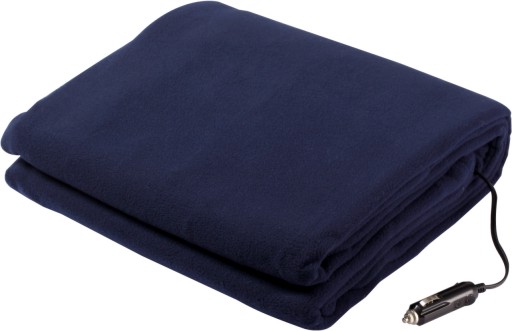
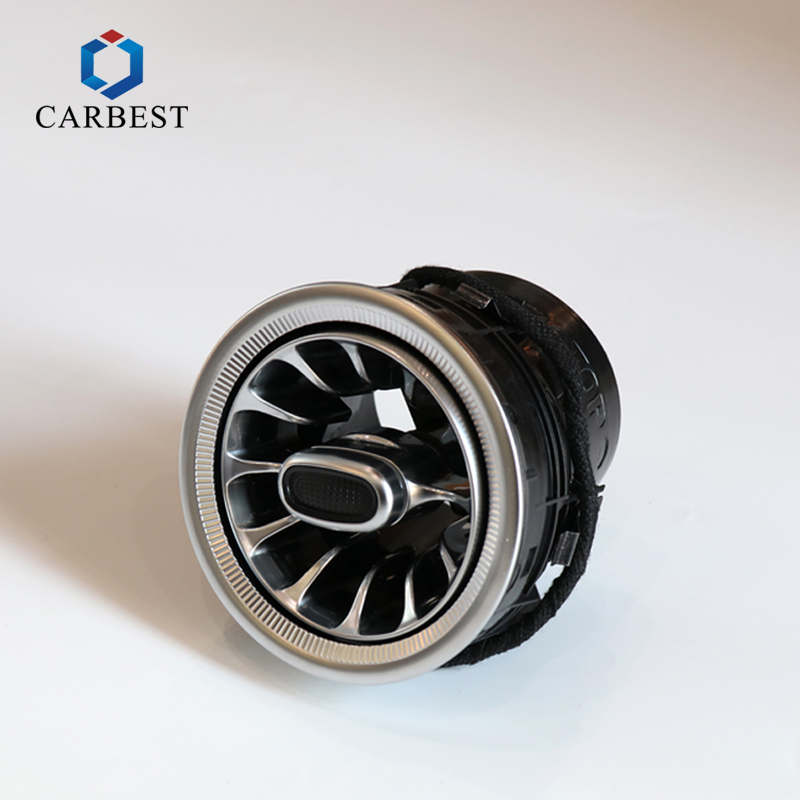
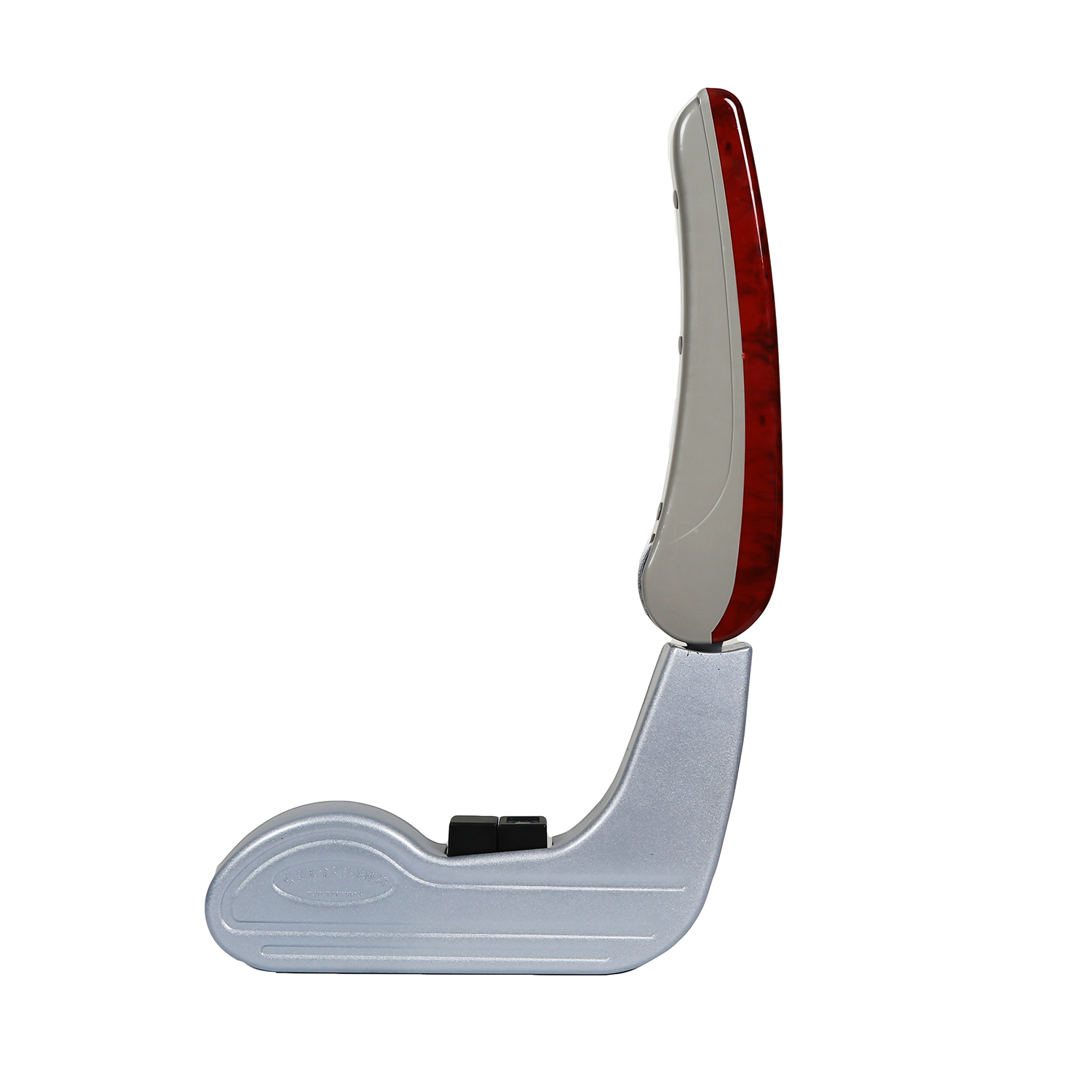
Other Interior Accessories
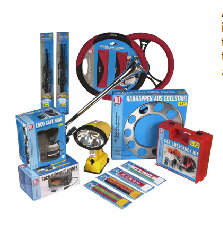
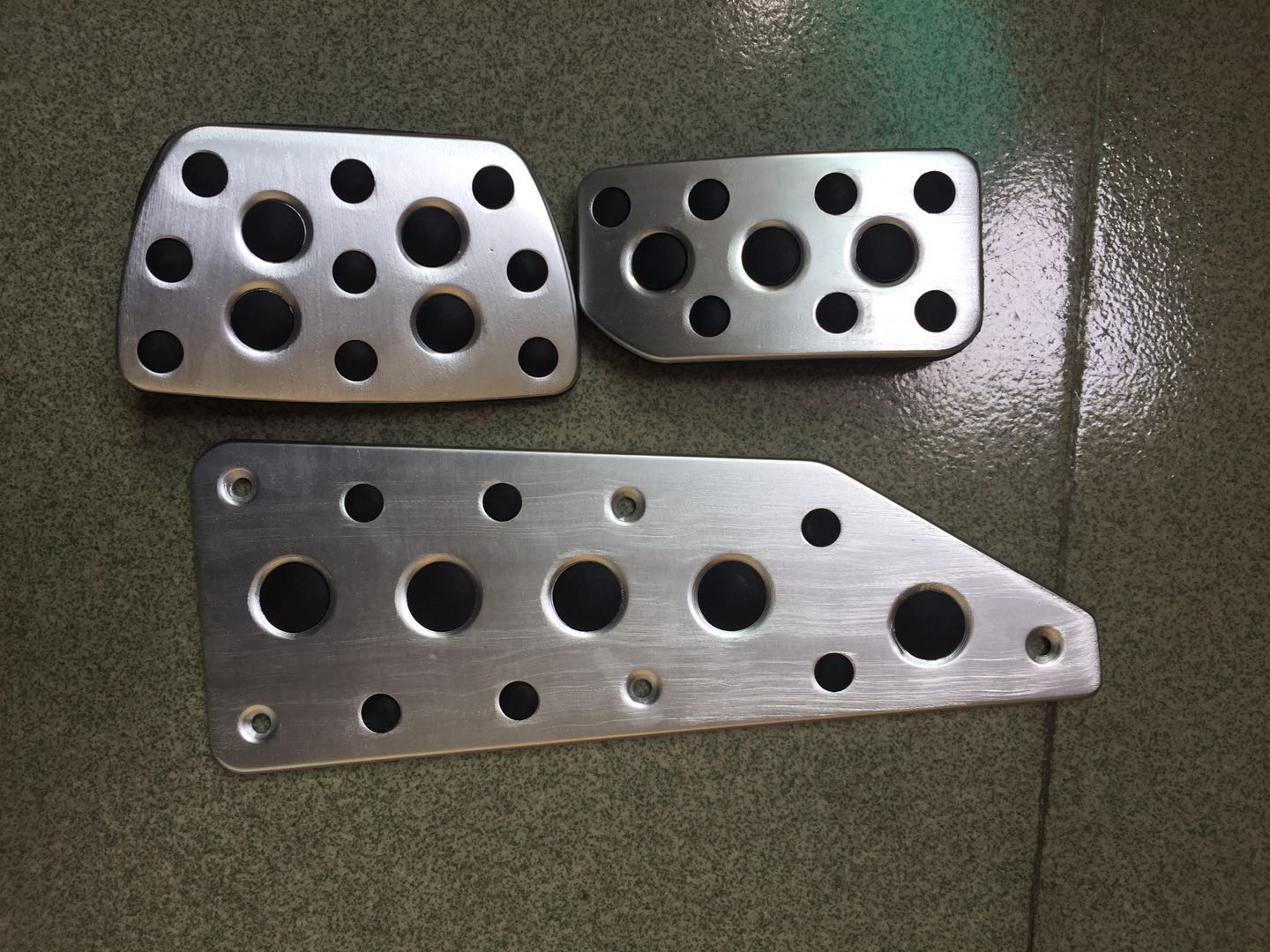
Source "Other Interior Accessories" directly from vetted manufacturers and suppliers in Asia. Designed for importers, distributors, and automotive brands seeking bulk purchasing, OEM production, and private-label solutions. Secure competitive pricing and consistent quality for specialized vehicle interior components.
Sourcing specialized interior accessories—ranging from dashboard organizers and seat gap fillers to custom mounting hardware—requires strict attention to material performance. Because these items sit in the greenhouse environment of a vehicle cabin, standard consumer-grade plastics and adhesives will fail under the stress of daily thermal cycling and constant UV exposure.
To build a reliable product line, buyers must dictate precise material specifications and assembly standards to their manufacturing partners.
Defining Material and Thermal Specifications
Vehicle cabins routinely reach temperatures exceeding 70°C (158°F) in direct sunlight, while dropping below freezing in winter. If you do not specify automotive-grade polymers, you risk severe product failure: warping, cracking, or severe VOC off-gassing (the "new car smell" turning toxic).
| Material | Primary Use | Thermal Tolerance | Common Defect if Poorly Sourced |
|---|---|---|---|
| ABS/PC Blend | Rigid mounts, structural brackets | Up to 110°C | Brittleness and snapping if recycled regrind resin is used |
| Silicone / Premium TPR | Anti-slip mats, cup holder liners | Up to 200°C (Silicone) | Oil exudation, leaving a sticky residue on the dashboard |
| PU Leather | Seat gap fillers, visor organizers | Up to 85°C | Delamination of the backing, strong chemical odors |
When dealing with suppliers, specify virgin resins for structural components and demand UV-stabilizer additives for anything exposed to direct sunlight.
Struggling to find a supplier who consistently meets automotive thermal and UV standards? Let us connect you with vetted factories.
Discuss your specsManufacturing Quality and Assembly Controls
The manufacturing of miscellaneous interior accessories typically involves injection molding, die-cutting, and adhesive application. The most frequent point of failure is not the plastic itself, but the mounting mechanism.
Accessories that rely on adhesives must use high-temperature acrylic foam tapes designed for low-surface-energy (LSE) automotive plastics. Standard EVA foam tapes will melt and detach within weeks. During production, implementing rigorous Quality Control & Inspection is vital to catch short shots, flash, or misaligned adhesive pads before the goods are packaged.
Critical QC Checks for Interior Accessories
- Thermal cycling tests (from -20°C to 85°C) to verify dimensional stability and adhesive retention.
- VOC emissions testing to ensure compliance with restricted substance lists (e.g., REACH).
- UV exposure testing (accelerated weathering) to verify colorfastness and prevent polymer chalking.
- Dimensional tolerance checks on snap-fit components using go/no-go gauges.
Tooling and OEM/ODM Customization
For brands developing proprietary interior solutions, tooling costs and IP protection are paramount. When evaluating partners for OEM/ODM Services, prioritize factories with in-house mold-making capabilities. Relying on suppliers who outsource their tooling often leads to delays, misaligned tolerances, and a loss of control over intellectual property.
Conducting comprehensive Factory Audits before cutting a mold is essential. You need to verify their engineering capacity, assess their mold maintenance protocols, and confirm they are a true manufacturer rather than a trading company relying on a network of sub-tier workshops.
MOQs, Lead Times, and Pricing Dynamics
Pricing in this category is heavily dependent on resin costs, mold complexity (single cavity versus multi-cavity), and the grade of secondary materials (like adhesives or packaging).
If you are sourcing multiple small accessories, consolidating your supply chain is highly recommended to hit MOQs and optimize freight volume.
Need to negotiate better tooling terms or consolidate shipments from multiple accessory suppliers? Talk to our team.
Get a free consultationFrequently Asked Questions
Sourcing reliable vehicle interior accessories means looking past the surface finish and scrutinizing the raw material data sheets. By partnering with factories that understand automotive-grade tolerances and thermal requirements, you protect your brand from costly returns and negative reviews.
Get Sourcing Help for Other Interior Accessories
Tell us your requirements and our experts will connect you with verified manufacturers.