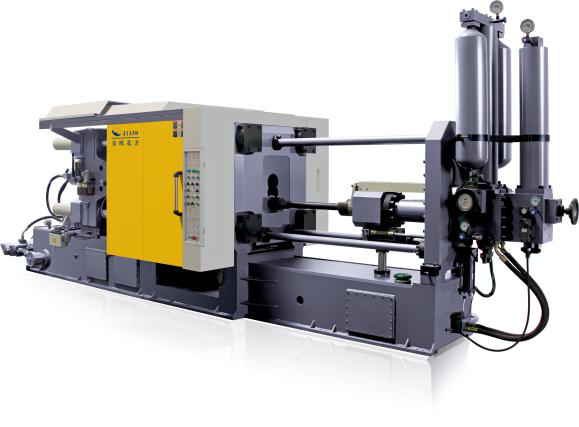
Other Injection Machine
Source specialized and custom Other Injection Machines directly from vetted manufacturers and suppliers. Built for importers, industrial distributors, and production facilities, our wholesale network delivers reliable multi-material, vertical, and specialty molding equipment for high-volume manufacturing.
Sourcing specialized injection molding equipment—whether vertical rotary, multi-color, micro-injection, or hybrid machines—presents a unique procurement challenge. Because these units fall outside standard horizontal hydraulic configurations, buyers must rigorously validate the machine's core architecture, control logic, and component origins to ensure long-term stability and precision on the production floor.
Defining Specifications for Specialty Injection Machines
When procuring non-standard injection machinery, matching the machine's physical and operational parameters to your specific mold and resin requirements is critical. Over-specifying drives up capital expenditure, while under-specifying leads to excessive wear, flash defects, and unacceptable cycle times.
Key parameters to define with your supplier include:
- Clamping Force (Tonnage): Calculated based on the projected area of the molded part and the cavity pressure.
- Tie-Bar Spacing: Dictates the maximum mold size the machine can accommodate. Always ensure clearance for core-pulling mechanisms if required.
- Shot Weight & Injection Volume: Must be matched to the material density (usually calculated in polystyrene equivalents) and the total part weight, keeping the shot size between 30% and 80% of the maximum barrel capacity to prevent material degradation.
- Injection Pressure & Speed: Critical for thin-wall applications or high-viscosity resins like PC or PEEK.
Need help matching specialized injection machine specs to your production requirements?
Talk to our teamComponent Origins: Where Quality is Won or Lost
The structural frame of an injection machine is typically fabricated and machined in-house by the Chinese supplier. However, the reliability, energy efficiency, and precision of the machine depend entirely on the origin and brand of its core subsystems.
Many suppliers offer tiered pricing based on component selection. Verifying these components through thorough Factory Audits is essential before placing a deposit.
| Subsystem | Standard Export Configuration | Premium / High-Precision Configuration |
|---|---|---|
| Controller (PLC) | Techmation (Taiwan/China) | KEBA (Austria) or B&R |
| Servo Motors | Inovance / Innova (China) | Phase (Italy) or Baumüller (Germany) |
| Hydraulic Valves | Vickers (Local Assembly) | Rexroth (Germany) or Yuken (Japan) |
| Linear Guides | HIWIN (Taiwan) | THK (Japan) |
The Importance of the Controller
The PLC is the brain of the machine. While domestic controllers are highly capable for standard molding, complex multi-material or high-speed applications often require European controllers. Ensure the controller supports your required language (English/Spanish/etc.) and has robust remote diagnostic capabilities.
Pre-Shipment Validation and FAT
Machinery of this scale cannot simply be visually inspected before boxing. A rigorous Factory Acceptance Test (FAT) is mandatory to validate performance under load. Professional Quality Control & Inspection teams should be present on the factory floor to execute these tests.
Factory Acceptance Test (FAT) Checklist
- Dry cycle test: Minimum 24 hours of continuous dry cycling to verify hydraulic and servo stability.
- Platen parallelism check: Measured at the four corners using dial indicators under full clamping tonnage.
- Heating zone calibration: Verify PID controller accuracy across all barrel heating zones.
- Safety interlock verification: Test all mechanical, electrical, and hydraulic safety gates and emergency stops.
- Language and software check: Confirm the HMI is flashed with the correct language and metric/imperial units.
Pricing, MOQ, and Lead Time Realities
Because specialty injection machines are capital equipment, the Minimum Order Quantity (MOQ) is universally 1 unit. However, buyers should be prepared for significant variations in lead times and logistics costs.
- Pricing: Costs vary wildly based on clamping tonnage and component selection. A 120T vertical injection machine with standard components will be priced significantly lower than a high-speed, all-electric micro-injection unit. Always request itemized quotations that list component brands.
- Lead Times: Standard configurations may take 30 to 45 days to assemble. Highly customized machines (e.g., specific tie-bar clearances, custom screw designs for specialized resins, or integrated robotics) typically require 60 to 90 days.
- Logistics: Machines under 250T can usually be skidded and loaded into standard 40HQ containers. Larger machines require specialized Shipping & Freight solutions, such as Flat Rack containers or break-bulk shipping, which significantly impacts the landed cost.
Evaluating quotes for specialty injection molding equipment? Let us help you verify the component list and true landed costs.
Get a free consultationFrequently Asked Questions
Procuring specialized injection molding equipment is an exercise in risk management and technical validation. By focusing on component origins, demanding rigorous factory acceptance testing, and partnering with experienced ground teams, buyers can secure high-performance machinery that delivers decades of reliable production.
Get Sourcing Help for Other Injection Machine
Tell us your requirements and our experts will connect you with verified manufacturers.