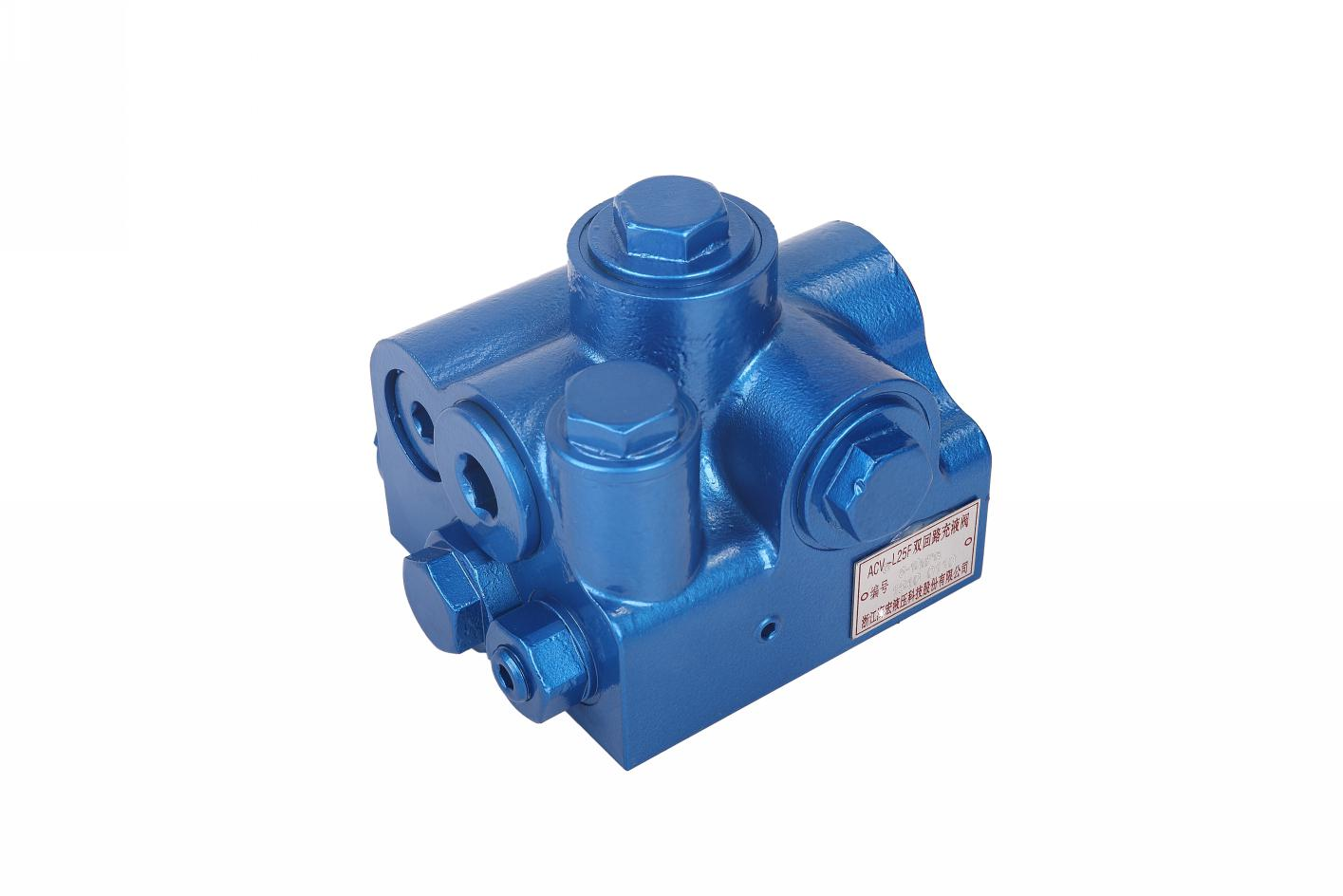
Other Industrial Vehicles
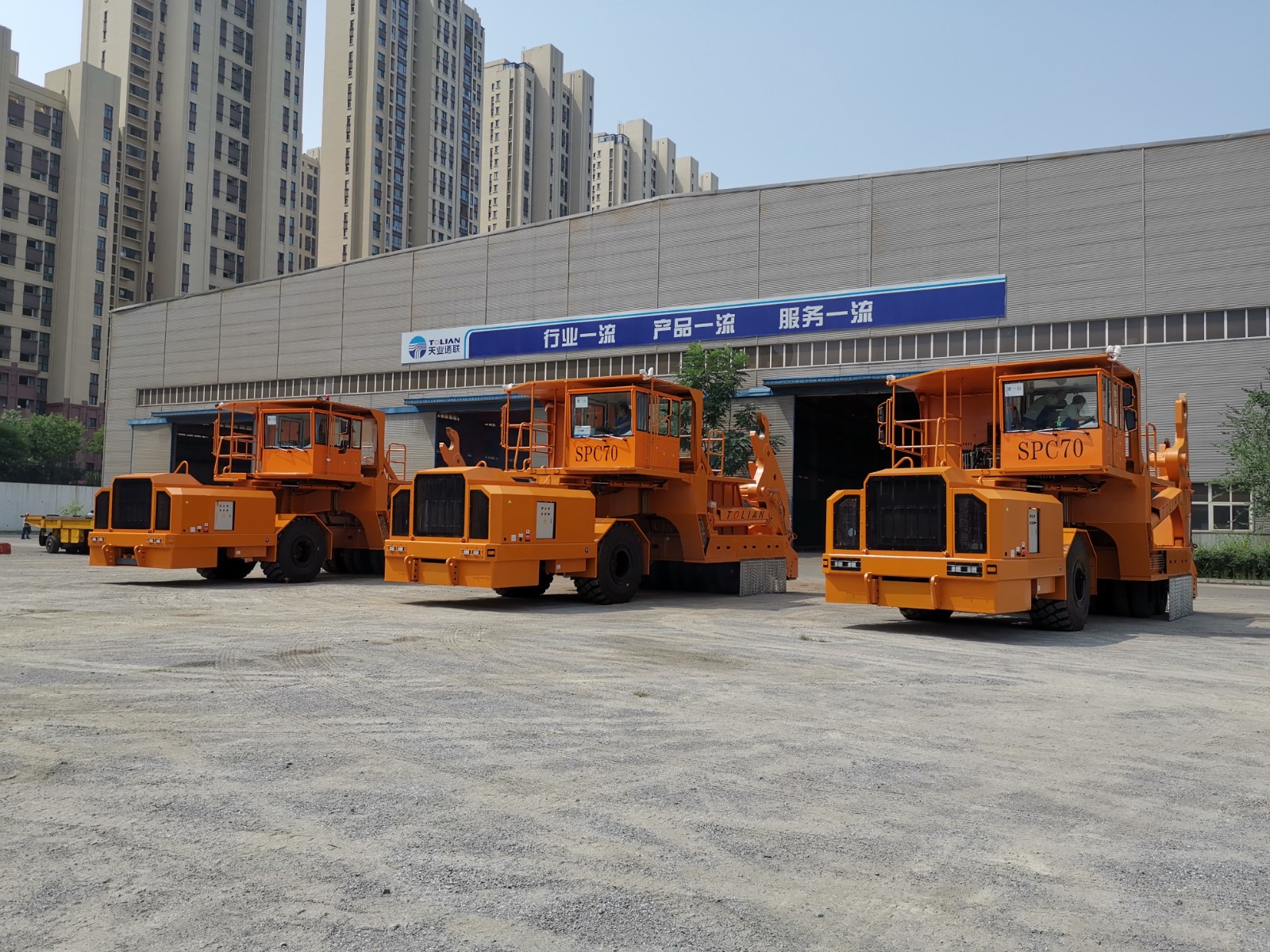
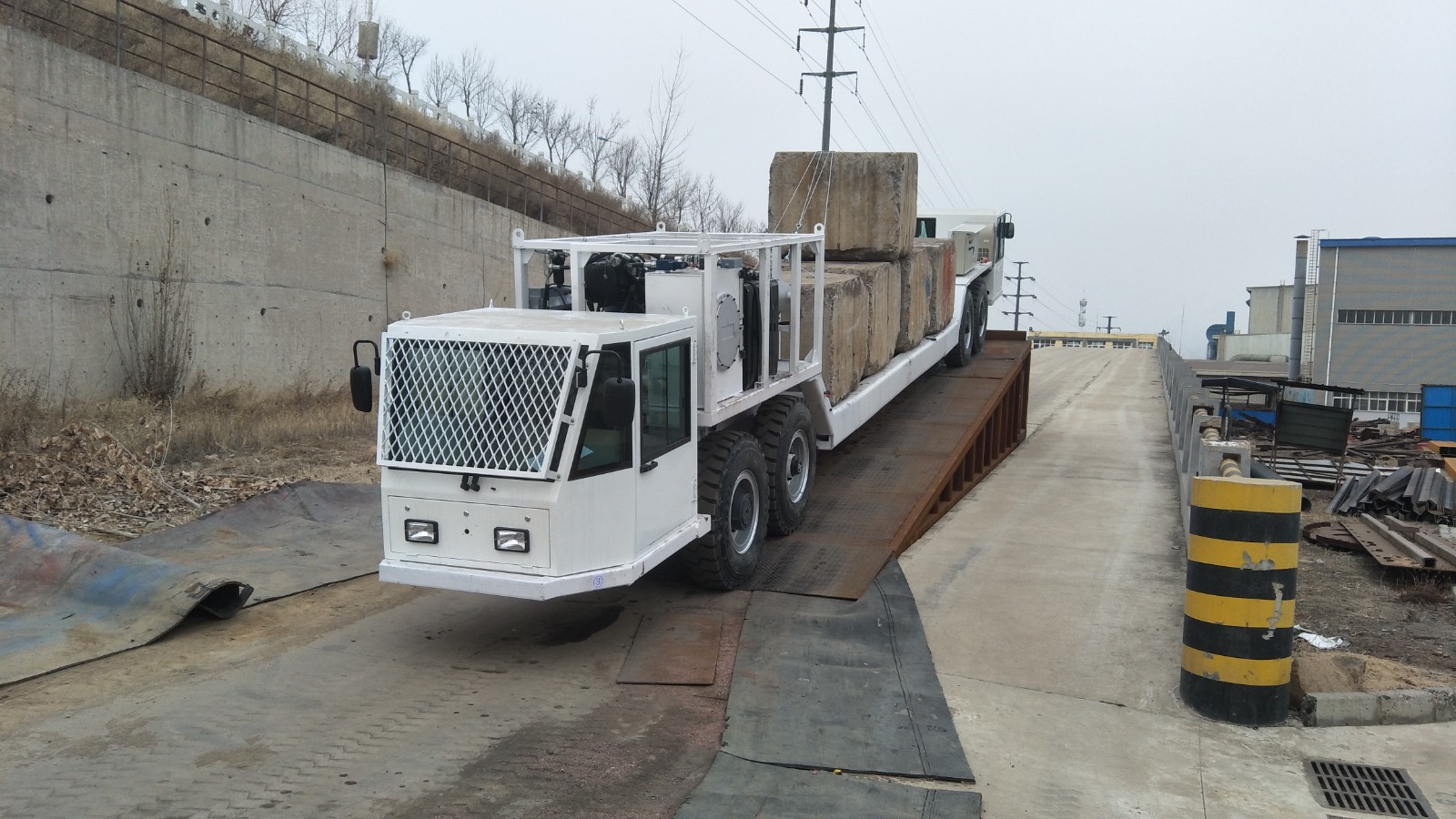
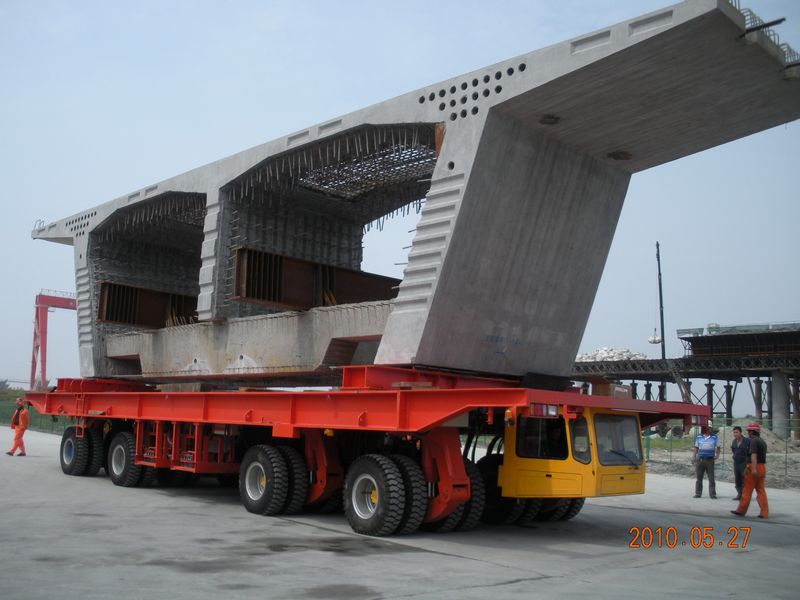
Source specialized Other Industrial Vehicles directly from vetted manufacturers and suppliers. Designed for importers, wholesalers, and procurement managers buying in bulk, our network delivers reliable heavy-duty transporters, tuggers, and site utility carts built to exacting specifications.
Sourcing specialized industrial vehicles—such as heavy-duty flatbed transporters, specialized tow tractors, and custom site utility carts—requires navigating a highly fragmented supplier base. Because these vehicles often fall outside standard catalog offerings, the primary sourcing challenge isn't just finding a factory with available capacity. It is identifying a manufacturer with the engineering competence to adapt chassis designs, integrate reliable powertrains, and maintain strict quality control over low-volume, high-mix production runs.
Defining Specifications for Specialized Vehicles
When procuring non-standard industrial vehicles, off-the-shelf specifications rarely meet exact operational requirements. Buyers must define the operational parameters clearly to ensure the factory engineers the chassis and drivetrain appropriately.
Key parameters to define include:
- Payload and Duty Cycle: Do not just specify maximum weight. Define the continuous operating hours per shift and the gradient of the operating environment. A vehicle rated for 5 tons on a flat, smooth warehouse floor will fail rapidly if deployed on a 15-percent grade with uneven terrain.
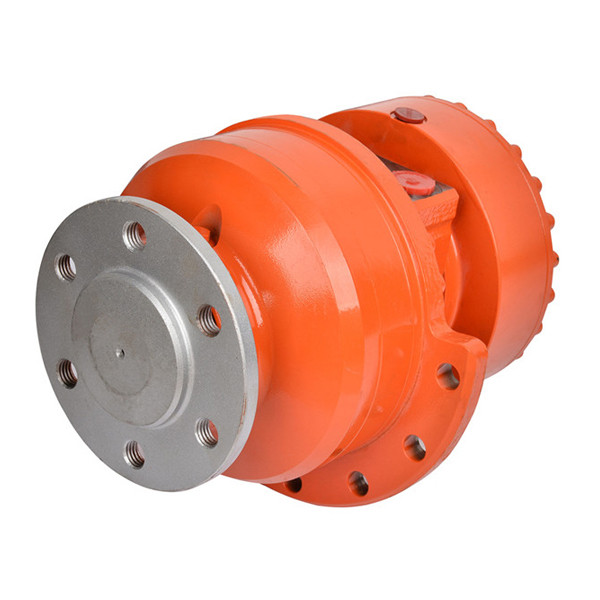
- Powertrain Architecture: The shift toward electrification is prominent, but high-torque requirements often still dictate internal combustion or heavy-duty AC electric systems.
- Ingress Protection (IP): For vehicles operating outdoors or in wash-down environments, specify IP65 or higher for all electrical enclosures and traction motors.
| Powertrain Type | Typical Application | Maintenance Profile | Upfront Cost Factor |
|---|---|---|---|
| AC Electric (Lithium) | Indoor / Clean environments | Low (no fluids/filters) | High (battery cost) |
| Diesel (Tier 4 / Stage V) | Heavy outdoor / High torque | High (engine maintenance) | Moderate |
| DC Electric (Lead Acid) | Light duty / Short shifts | High (watering/equalizing) | Low |
Need help qualifying a manufacturer for your custom vehicle requirements?
Discuss your vehicle specsManufacturing Tolerances and Quality Control
The durability of an industrial vehicle is dictated on the factory floor, long before final assembly. Factories producing specialized vehicles often rely on manual or semi-automated welding, making strict oversight critical.
Critical Fabrication Checks
- Chassis Welding: Look for continuous, slag-free welds on main load-bearing beams. For high-capacity vehicles, ultrasonic or magnetic particle non-destructive testing (NDT) should be a standard factory procedure.
- Hydraulic Systems: Contamination during assembly is the leading cause of early hydraulic failure. Ensure the factory has a dedicated, clean assembly area for hydraulic manifolds and cylinders.
- Harness Routing: Electrical harnesses must be sheathed, routed away from pinch points, and secured with heavy-duty P-clips. Loose wiring is a massive liability in high-vibration industrial environments.
Relying solely on final inspection is risky for complex machinery. Implementing rigorous Quality Control & Inspection protocols during the frame fabrication and powertrain integration stages prevents costly rework.
Factory Evaluation Criteria for Industrial Vehicles
- In-house engineering and CAD capabilities for custom modifications
- Traceability of critical components (motors, controllers, axles)
- Dedicated testing grounds for incline, braking, and load capacity validation
- Documented WPS (Welding Procedure Specifications) and certified welders
Compliance, Shipping, and Logistics
Industrial vehicles are heavily regulated. Importing non-compliant machinery can result in customs seizures or severe liability issues.
For internal combustion engines, ensure the factory provides valid EPA (US) or Euro Stage V (EU) certification for the specific engine model. For electric vehicles, lithium-ion battery packs must possess UN38.3 certification for safe transport, and chargers should carry UL or CE marks depending on the destination market.
Furthermore, shipping these vehicles requires specialized logistics. Depending on the dimensions, they may not fit in standard containers, requiring Flat Rack or Roll-on/Roll-off (RoRo) shipping. Coordinating this requires precise Shipping & Freight management to avoid spiraling landed costs.
Verify Supplier Capabilities On-Site
Ensure your chosen manufacturer has the tooling, quality systems, and certifications required to build safe industrial vehicles.
Buying Mechanics: Pricing, MOQs, and Lead Times
Because "other" industrial vehicles are often specialized, the buying mechanics differ significantly from standard pallet jacks or forklifts.
Pricing is heavily influenced by the origin of the core components. A vehicle utilizing a domestic Chinese motor and controller (e.g., Inmotion) will be significantly cheaper than one specified with imported Curtis or Zapi controllers and Schabmüller motors. Be explicit about component brands in your Bill of Materials (BOM) before negotiating the final price.
Ready to negotiate pricing and secure production capacity for your industrial vehicles?
Talk to our sourcing teamFrequently Asked Questions
Strategic Sourcing for Heavy Equipment
Successfully sourcing specialized industrial vehicles requires looking past the glossy catalog photos to evaluate the manufacturer's underlying engineering and quality assurance processes. By strictly defining your operational parameters, mandating specific component brands, and enforcing in-line inspections, you can secure robust, reliable machinery that lowers your total cost of ownership.
Get Sourcing Help for Other Industrial Vehicles
Tell us your requirements and our experts will connect you with verified manufacturers.