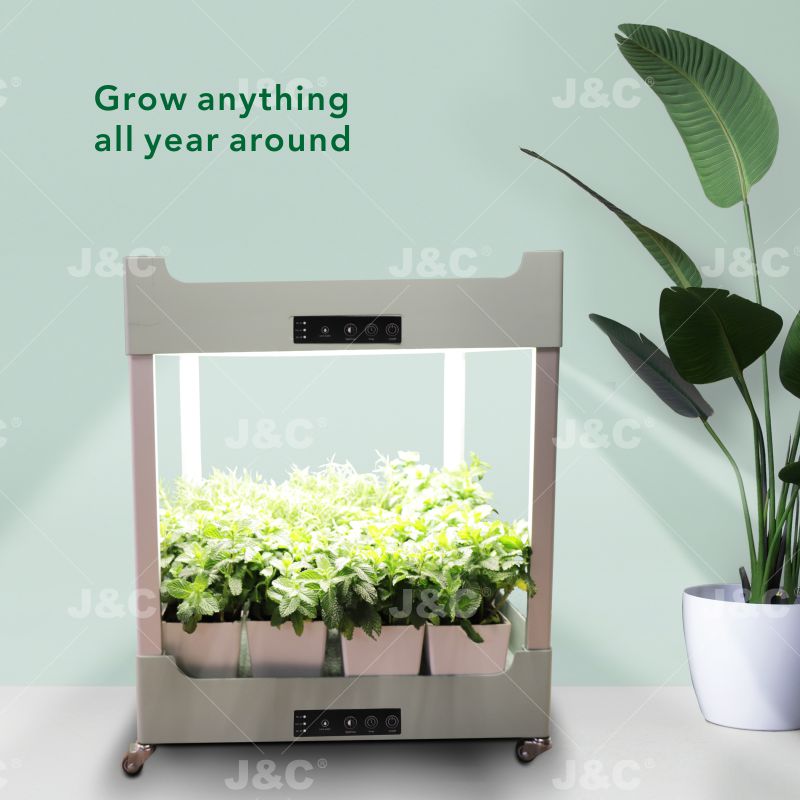
Other Indoor Lighting
Source high-quality, specialized Other Indoor Lighting from vetted manufacturers in China and Asia. Designed for importers, wholesalers, distributors, and OEM/ODM brands, this category covers niche lighting solutions requiring strict quality control, reliable component sourcing, and scalable production to meet your market's exact specifications.
Sourcing specialized and non-standard indoor lighting requires a rigorous approach to component selection and quality assurance. Because these products often fall outside the high-volume, standardized production lines of typical bulbs or panels, manufacturers may cut corners on internal components to maintain margins. For volume buyers, the priority is locking down the bill of materials (BOM), ensuring strict color consistency, and verifying that thermal management systems can support the stated lifespan of the LEDs.
Defining Specifications for Specialized Lighting
When dealing with niche indoor lighting applications—whether custom architectural accents, specialized task lighting, or integrated furniture illumination—relying on a factory's default spec sheet is a risk. You must actively dictate the standards for the three critical pillars of any LED fixture: the light source, the driver, and the thermal housing.
Critical BOM Specifications to Lock Down
- LED Chip Binning: Specify a Standard Deviation of Color Matching (SDCM) under 3 to prevent visible color variations across different production batches.
- Driver Topology: Mandate isolated, flicker-free drivers for indoor environments, with a Power Factor (PF) over 0.9 for commercial applications.
- Thermal Management: Require specific aluminum grades (e.g., 6063 for extrusions) to ensure adequate heat dissipation, preventing premature lumen depreciation.
- Luminous Efficacy: Define the required lumens per watt (lm/W) at the fixture level, not just the bare LED chip level, accounting for diffuser losses.
Inconsistent color temperature (CCT) is one of the most common defects in non-standard lighting orders. Factories frequently purchase LED chips on the spot market for smaller or unusual runs, leading to mixed bins. Specifying exact bin codes in your purchase agreement is essential.
Struggling with inconsistent lighting quality across batches? Let us help you lock down your BOM and enforce strict supplier standards.
Talk to our teamManufacturing and Quality Control Realities
The manufacturing of specialized indoor lighting involves Surface Mount Technology (SMT) for the LED boards, housing fabrication (often custom extrusion or die-casting), driver assembly, and final integration.
The most critical phase on the factory floor is the aging test. Standard practice requires lighting products to undergo a continuous burn-in period (typically 12 to 24 hours) with fluctuating voltage cycles to identify early mortality in drivers or poor solder joints on the PCB. However, when factories are rushed, the aging test is often the first process they shorten. Implementing rigorous Quality Control & Inspection protocols, specifically monitoring the aging line during production, is the only way to ensure your shipment won't suffer from high failure rates in the field.
Navigating Electrical Compliance
Indoor lighting must meet stringent electrical safety and electromagnetic compatibility (EMC) standards. A common pitfall is sourcing a fixture where the factory claims CE or UL compliance, but the certification only applies to the internal driver, not the complete luminaire.
If you are modifying a standard product or building a custom design, you will likely need to undergo independent Compliance & Testing to ensure the final assembled product meets the regulatory requirements of your destination market (such as UL/ETL for North America or CE-LVD/EMC for Europe).
Production Economics: MOQs, Pricing, and Lead Times
Because "other" indoor lighting often involves unique form factors, you must factor in tooling costs and slightly longer lead times compared to off-the-shelf commodities. If you are leveraging OEM/ODM Services for custom profiles or specialized diffusers, expect initial setup costs for extrusion dies or injection molds.
Need to develop custom tooling for a new lighting product? We manage the engineering, factory negotiations, and production scaling.
Get a free consultationBuyer FAQ
Sourcing specialized indoor lighting successfully comes down to controlling the variables that factories often leave ambiguous. By defining strict technical parameters and enforcing them through active oversight, you can build a reliable supply chain for even the most unique lighting applications.
Get Sourcing Help for Other Indoor Lighting
Tell us your requirements and our experts will connect you with verified manufacturers.