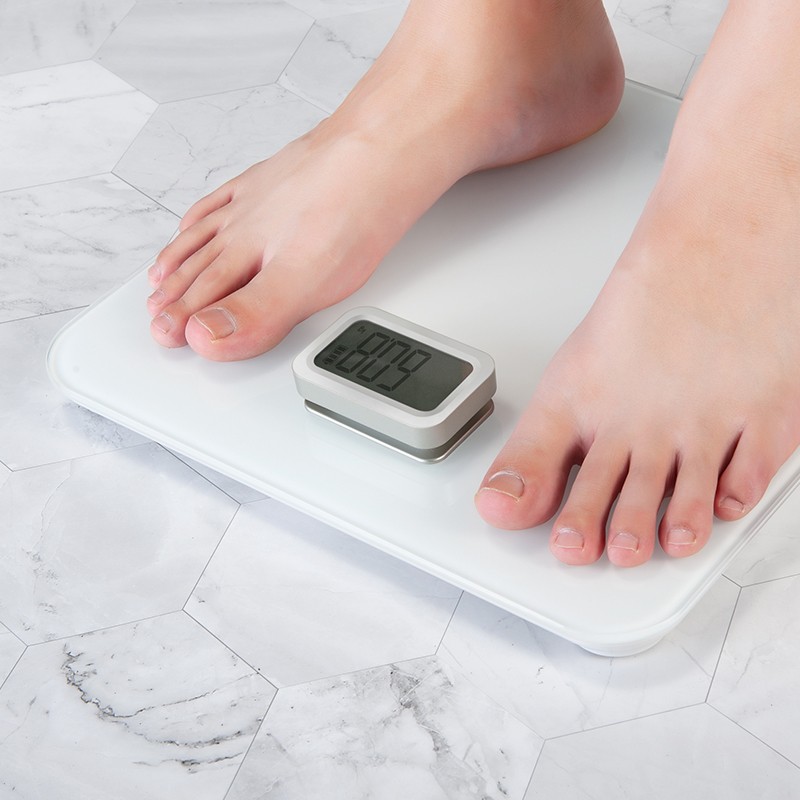
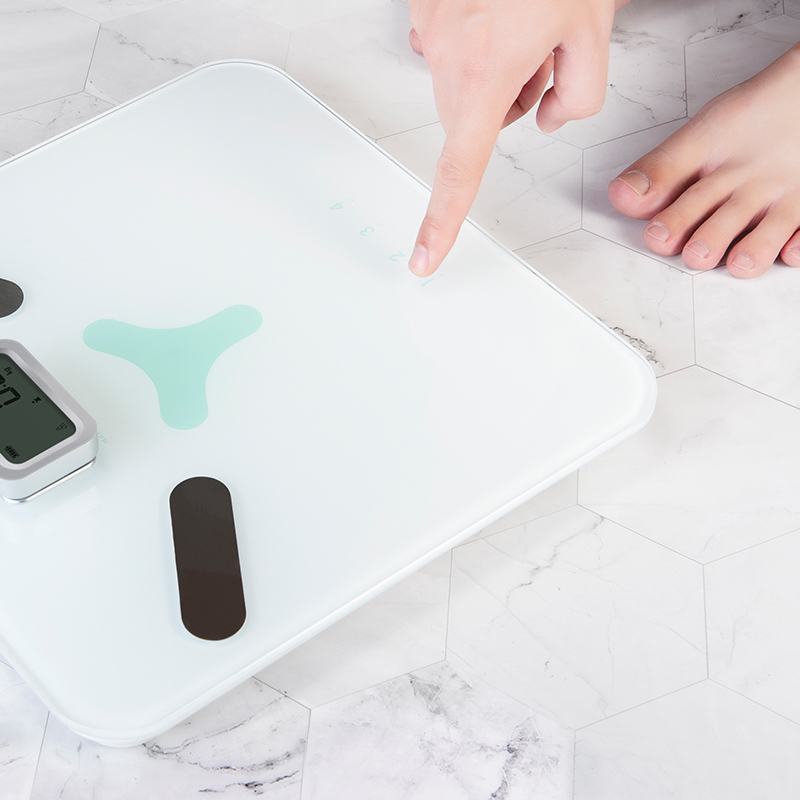
Other Household Medical Devices
Source specialized and emerging other household medical devices in bulk from vetted manufacturers. Designed for importers, distributors, and brands seeking reliable OEM and private-label production. Ensure compliance, scale efficiently, and secure competitive pricing direct from the factory.
Sourcing specialized, niche, or newly developed household medical devices requires navigating a complex intersection of consumer electronics and medical regulations. Because these products often fall outside standard classifications—ranging from smart medication dispensers and unique therapeutic tools to specialized mobility aids—buyers face distinct challenges in defining technical specifications, verifying compliance, and standardizing quality control. Ensuring a factory can meet medical-grade tolerances rather than just consumer-grade standards is the difference between a successful product launch and a costly customs seizure or recall.
Defining Specifications for Non-Standard Devices
When a product does not fit a standard mold, your technical specifications must be exhaustive. Factories accustomed to producing general consumer goods often attempt to manufacture household medical devices without understanding the necessary material and electrical safety requirements. If you are utilizing OEM/ODM Services to bring a new device to market, you must dictate every variable.
- Biocompatibility: Any component that comes into prolonged contact with the skin must comply with ISO 10993 standards. Specify medical-grade silicones, ABS plastics, or hypoallergenic alloys, and demand raw material certificates before production begins.
- Electrical Safety: For powered or smart devices, standard CE or FCC marks are rarely enough. The device must typically meet IEC 60601-1 standards for medical electrical equipment, which dictates stringent requirements for electromagnetic compatibility (EMC) and isolation from power sources.
- Firmware and Data Security: For connected health devices, specify data encryption protocols. Factories often use off-the-shelf, unencrypted Bluetooth modules that fail HIPAA or GDPR compliance checks in the destination market.
Developing a specialized medical device? Let our experts help you vet factories with genuine medical manufacturing capabilities.
Talk to our teamManufacturing Tolerances and Quality Control
The manufacturing floor is where the distinction between a "gadget" and a "medical device" is realized. Injection molding for medical housings requires higher precision to prevent ingress of moisture or dust (IP ratings), while PCB assembly requires rigorous testing to ensure zero failure rates in critical monitoring or therapeutic functions.
Implementing robust Quality Control & Inspection is non-negotiable. Standard AQL (Acceptable Quality Limit) levels for consumer goods are often too loose for medical devices; buyers should insist on tighter AQLs (e.g., 0.65 for major defects, 1.0 for minor defects) or even 100 percent in-line testing for critical electronic components.
Factory Floor Verification for Medical Devices
- Verify cleanroom classifications (e.g., ISO Class 7 or 8) for sensitive assembly.
- Check calibration records for testing equipment used on the assembly line.
- Ensure traceability systems are in place (batch and serial number tracking).
- Validate that drop-testing and ingress protection (IP) testing are performed per batch.
Navigating Regulatory Compliance
For "other" medical devices, determining the regulatory classification is the most critical hurdle. A unique posture corrector might be a Class I device (exempt from premarket notification in the US), while a device delivering micro-currents or thermal therapy could be classified as Class II, requiring an FDA 510(k) clearance or CE MDR certification.
Do not rely on the factory's assessment of your product's regulatory class. Many suppliers will provide outdated CE certificates or claim FDA registration when they only hold a facility registration, not a product clearance. Integrating professional Compliance & Testing early in the sourcing process prevents purchasing unsellable inventory. Furthermore, conducting thorough Factory Audits to verify an active and authentic ISO 13485 (Medical Device Quality Management System) certification is essential before transferring any funds.
MOQs, Pricing, and Production Timelines
Because these devices vary wildly in complexity, production metrics span a wide range. Mechanical devices generally require lower investment, while electronic and smart devices demand higher upfront costs for tooling and PCB development.
When negotiating pricing, factor in the cost of third-party lab testing and certification, which is often excluded from the factory's initial FOB quote.
Need to lock in reliable pricing and compliance for your medical device order? Speak with our sourcing specialists today.
Get a free consultationFrequently Asked Questions
Sourcing non-standard household medical devices offers a significant opportunity to capture niche market segments, but it demands a rigorous approach to compliance, material safety, and quality assurance. By partnering with the right manufacturing facilities and enforcing strict engineering standards, you can bring innovative health products to market safely and profitably.
Get Sourcing Help for Other Household Medical Devices
Tell us your requirements and our experts will connect you with verified manufacturers.