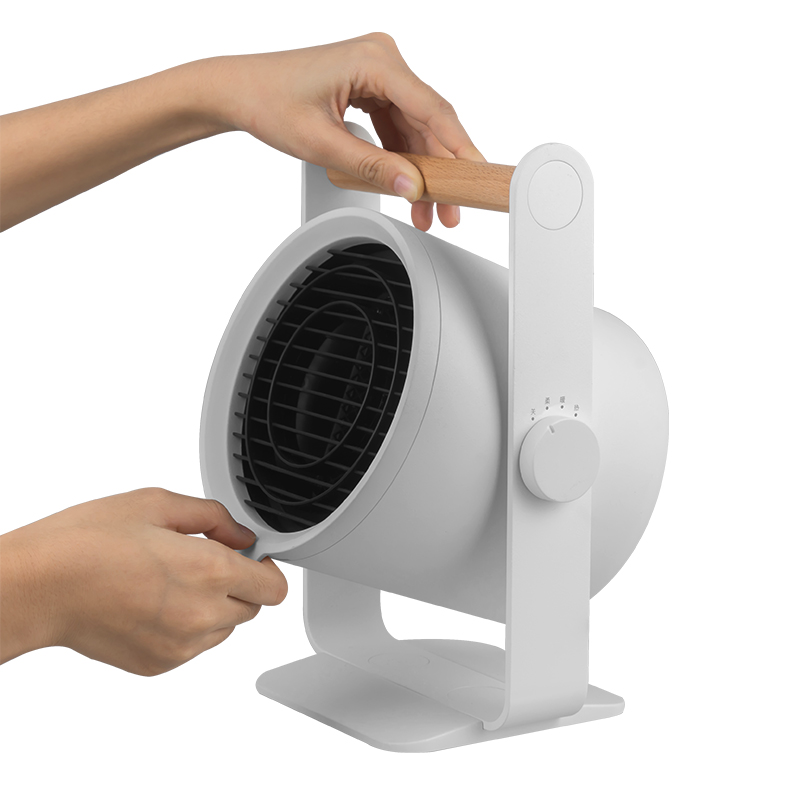
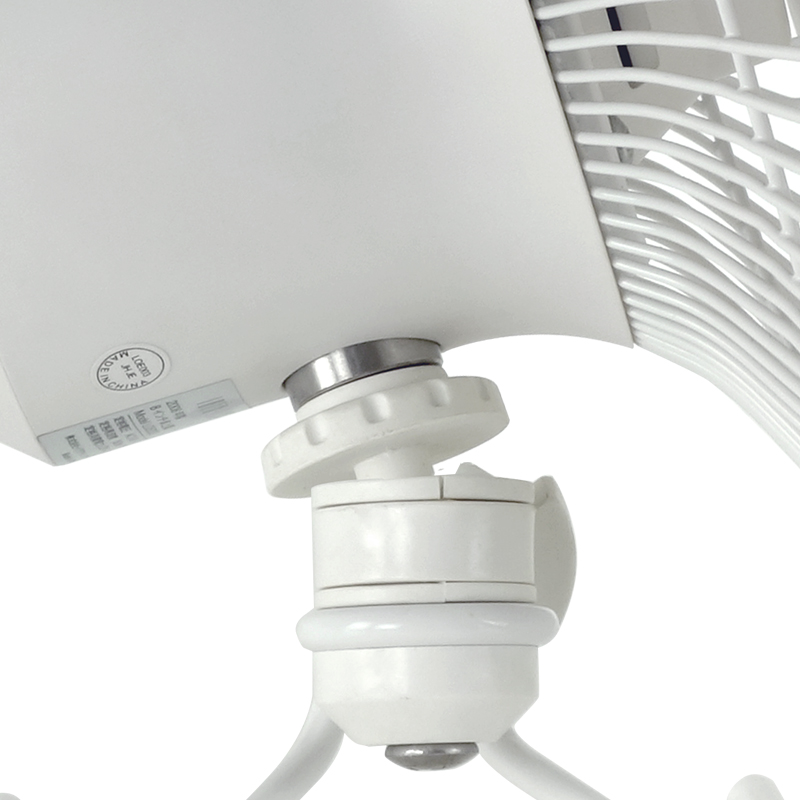
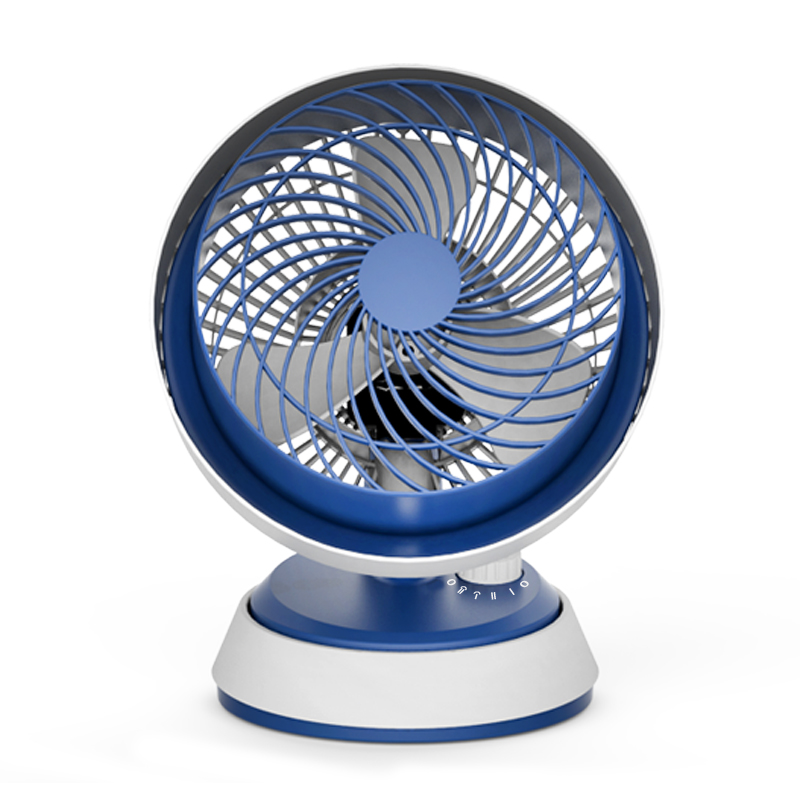
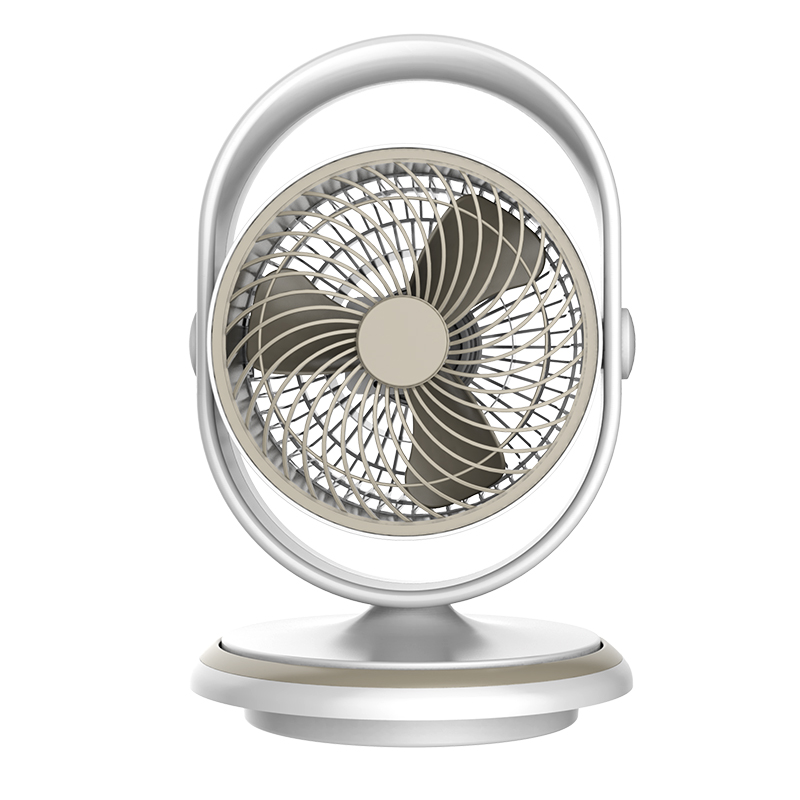
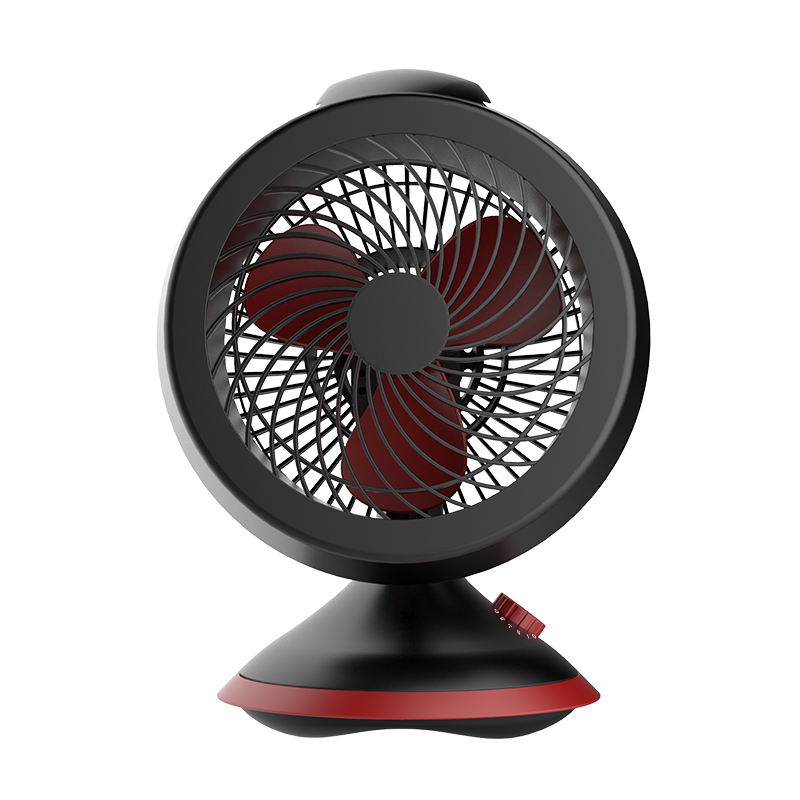
Other Household Electrical Appliances
Source Other Household Electrical Appliances directly from vetted manufacturers and suppliers. Designed for importers, wholesalers, and brands seeking OEM/private-label production, our network provides bulk access to specialized and emerging home electrical devices with verified quality and compliance.
Sourcing specialized or emerging household electrical appliances requires navigating a fragmented supply base. Because these products fall outside standard, highly commoditized categories, you cannot rely on off-the-shelf factory templates. Success depends on rigorous specification of internal components, custom assembly protocols, and strict adherence to target-market safety regulations.
Critical Component Specifications
When dealing with non-standard or niche electrical devices, the burden of specification falls heavily on the buyer. Factories producing "other" appliances often use off-the-shelf internal components that may not meet the durability or safety standards required for heavy household use.
To prevent premature failure and ensure safety compliance, your Bill of Materials (BOM) and spec sheets must explicitly define the following:
Essential Electrical & Material Specifications
- Housing Materials: Specify UL94 V-0 fire-retardant polycarbonate (PC) or high-grade ABS for any device generating heat or handling high voltage.
- PCB Quality: Require FR-4 fiberglass boards with conformal coating if the appliance will be used in humid environments (e.g., bathrooms, kitchens).
- Power Supply & Wiring: Ensure internal wiring is copper (not copper-clad aluminum) and specify the exact AWG gauge appropriate for the device's amperage.
- Motor & Actuator Specs: Define whether the device uses brushed or brushless DC (BLDC) motors, including required RPM, torque, and continuous runtime ratings.
- Plug & Cable Standards: Mandate market-specific certifications for the power cord (e.g., UL for North America, VDE for Europe) and specify cable length and strain relief design.
Need help defining technical requirements for a custom appliance? Speak with our sourcing engineers to lock in your BOM before production starts.
Discuss your product specsManufacturing & Assembly Control
The assembly of niche electrical appliances often requires flexible production lines. Unlike factories churning out millions of standardized toasters or fans, facilities handling specialized appliances must frequently retool and adjust their standard operating procedures (SOPs).
This flexibility introduces risk. Inconsistent assembly processes can lead to pinched wires, misaligned housings, or poor solder joints. Implementing rigorous Quality Control & Inspection is critical. In-line inspections (DUPRO) are highly recommended for non-standard appliances to catch assembly errors before the housing is sealed.
Watch for Thermal Management Defects
For novel electrical devices, thermal management is a frequent failure point. Ensure the factory conducts prolonged burn-in testing (typically 24 to 48 hours) on the first off-tool samples to verify that internal heat dissipation functions as designed under continuous load.
Compliance and Regulatory Testing
Customs authorities and retailers do not give regulatory passes to products just because they fall into an "other" category. In fact, uncategorized or novel electrical items often face stricter scrutiny at the border. You must ensure the factory can provide, or you must independently arrange, comprehensive Compliance & Testing.
| Market | Core Electrical Certifications | Environmental/Chemical Standards |
|---|---|---|
| North America | UL / ETL / CSA, FCC (if wireless/RF) | Prop 65 (California) |
| Europe | CE (LVD & EMC Directives) | RoHS, REACH |
| Australia/NZ | RCM, SAA | RoHS equivalent |
Never assume a factory's existing CE or UL mark applies to your specific custom configuration. Any change to the power supply, motor, or PCB requires an updated test report.
Production Economics: MOQs, Pricing, and Lead Times
Pricing and Minimum Order Quantities (MOQs) for niche household electricals vary based on the level of customization. Off-the-shelf white-label products have lower barriers to entry, while fully custom designs require significant upfront investment in tooling.
When engaging in OEM/ODM Services for a new appliance, ensure your contract clearly outlines mold ownership. If you pay for the tooling, you should own the molds and have the right to move them to another facility if the supplier's quality degrades.
Ready to scale production of your specialized electrical appliance? Let our team negotiate pricing, MOQs, and tooling terms on your behalf.
Get a sourcing quoteFrequently Asked Questions
Sourcing specialized household electrical appliances offers significant market opportunities by avoiding crowded, commoditized categories. However, it demands a disciplined approach to component specification, assembly oversight, and regulatory compliance to ensure the final product is safe, reliable, and profitable.
Get Sourcing Help for Other Household Electrical Appliances
Tell us your requirements and our experts will connect you with verified manufacturers.